
You can keep groceries cold in an insulated bag for 2 to 24 hours. Some high-quality bags can keep food cold for up to 36 hours. Ice packs, bag quality, and outside temperature are important. Food safety is important, so put perishables in the fridge fast.
Key Takeaways
- Insulated bags can keep groceries cold for 2–36 hours, depending on the bag’s insulation quality and the surrounding conditions.
- Choose a bag with thick insulation, sturdy construction, and a secure closure to maximize cold retention.
- Pre-chill food and add ice packs before packing to extend cooling time and help keep food safe during transport.
Cold retention in an insulated bag
Typical cold times
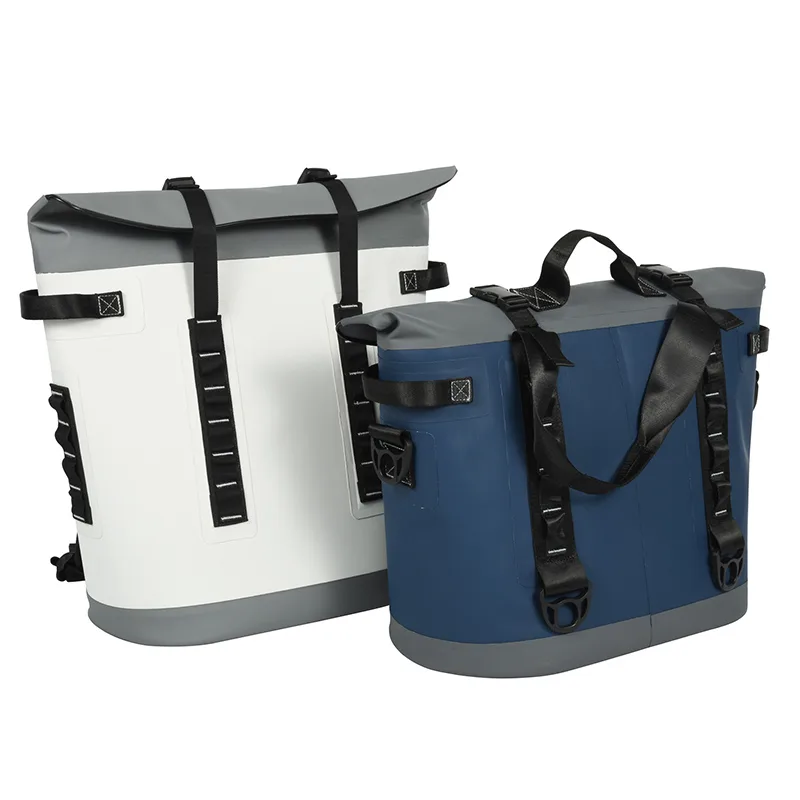
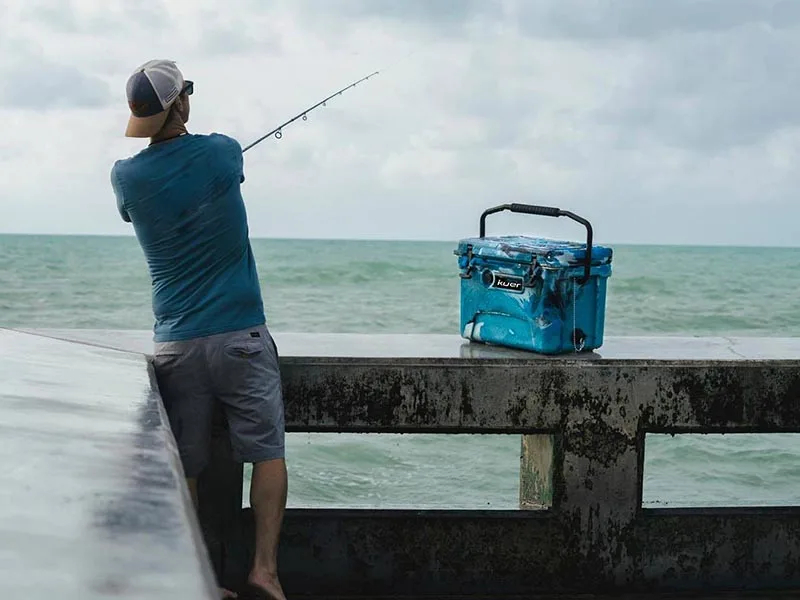
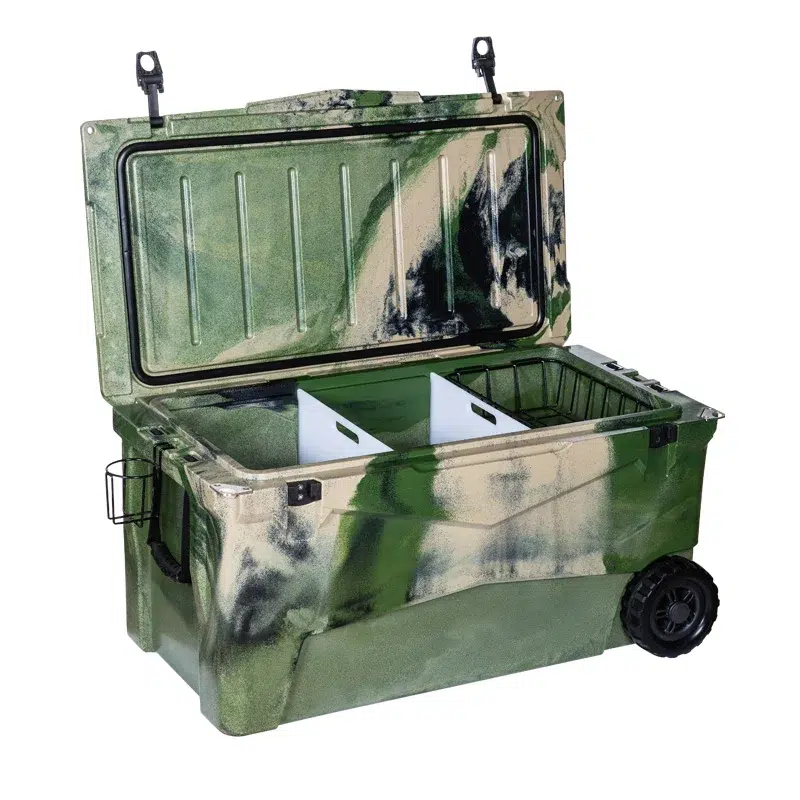
You certainly want your food to stay cold for longer. The cooling time depends on the insulated bag you choose. A standard insulated bag can keep food cold for 4 to 6 hours. High-quality brands like Kuer can keep it cold for up to 72 hours. If you use a waterproof, soft-sided insulated cooler bag that can hold 20-30 cans of beverages, your drinks and snacks can stay cold for 20 to 36 hours. These coolers are made of high-quality, insulated, and waterproof materials, making them ideal for outdoor trips or long journeys. Many companies also offer custom insulated bags, allowing you to choose the style that best suits your needs.
Factors affecting cold duration
The length of time that food in an insulated bag is kept cold is affected by many factors. You should focus on the quality of the insulation, bag wall thickness, and bag design. A tight lid or zipper effectively insulates heat. The outside temperature is also critical. Hot weather will cause food to get hotter faster, while cooler weather will keep food colder longer. The amount and type of food also affects how long it stays cold. The more food you have, the longer it needs to stay cold, and some foods are more susceptible to spoilage.
Tip: Use ice packs, keep the bag closed, and put it in the shade to keep things cold longer. Some suppliers sell bags with thick walls and custom designs for better cold retention.
Common scenarios
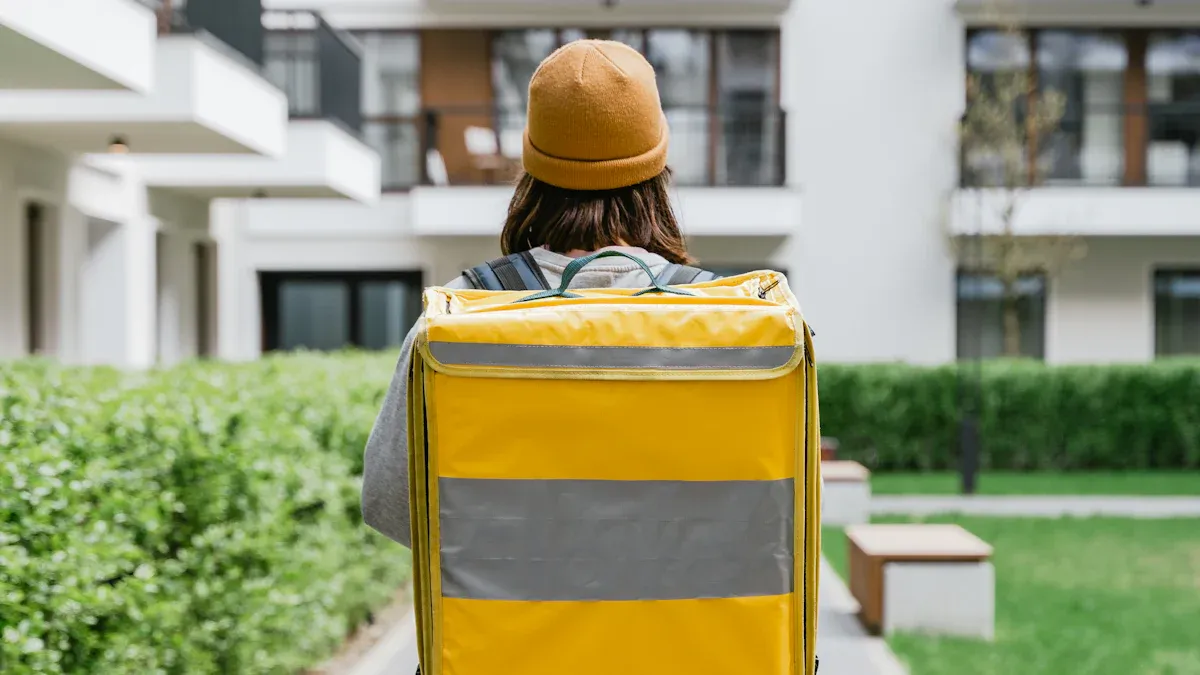
People use insulated bags in a variety of ways, and the required cooling time varies depending on the purpose. For example, school lunches or office lunches can typically stay cold for 5 to 6 hours. Frozen or refrigerated food purchased from the supermarket will usually stay cold for 2 to 4 hours. Outdoor picnics or day trips require longer cooling times, typically 12 to 24 hours. If you choose a high-quality insulated bag like a Kuer or a waterproof soft-serve ice pack, you can keep your food cold for even longer.
You can trust reputable suppliers of insulated bags that offer consistent and reliable performance. Customization options allow you to choose the size and features to suit your needs. When planning a picnic or trip, choose an insulated bag that fits your plans while ensuring your food safety.
Maximizing Cold Time in Insulated Bags
Choosing the right insulated bag
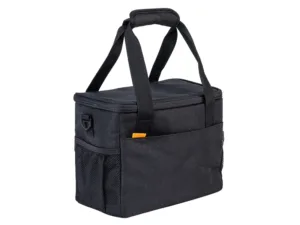
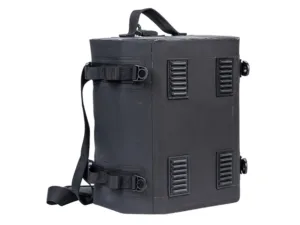
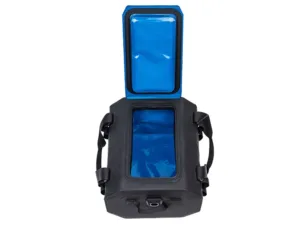
Choose a cooler bag with good insulation and a tight seal. Closed-cell foam and thick bag walls help keep food cold. Waterproof linings and reinforced stitching are also good options. Suppliers offer custom sizing services to meet your different needs.
| Feature | Description |
|---|---|
| Insulation type and thickness | Closed-cell foams, thick walls for longer cold times. |
| Size and capacity | Choose a bag that fits your groceries and ice packs. |
| Closure system | Tight zippers and reinforced seams block warm air. |
| Moisture resistance | Water-resistant linings prevent leaks and condensation. |
| Portability | Lightweight, ergonomic handles for easy carrying. |
Using ice packs and pre-chilling
Pre-cooling food and freezer bags can extend shelf life. Place at least two cold sources, such as ice packs, above and below the food. Cool the food before putting it in the bag. Using more ice packs can distribute the cold air more evenly, thus keeping food refrigerated for longer.
Tip: Keep the insulated bag in the fridge until you leave. This step helps groceries stay safe and cold.
Packing tips and minimizing bag opening
Try to fill the bag as full as possible to reduce the air space. Organize items for quick access. Open the bag only when needed. Every time you open the bag, cold air comes out and hot air comes in. Keep bags cool by packing them properly and opening them less often.
| Action | Effect on Cold Retention |
|---|---|
| Bag opened often | Cold air escapes, groceries warm up faster. |
| Pack once, close well | Maintains cold temperature for longer. |
| Open only when needed | Preserves cold air inside. |
Food safety guidelines
Refrigerated foods should be kept at 40°F (4°C) or lower. Perishable foods should not be kept at temperatures above 40°F (4°C) for more than two hours. If the outside temperature is above 90°F (32°C), place the food in the refrigerator within one hour. Always refrigerate food as soon as possible.
Note: Strong insulation and reflective linings help keep food safe. Pick bags with pockets for ice packs.
With the right insulated bags and smart packaging methods, you can keep food cold for 2 to 36 hours. Choose kuer or waterproof insulated soft bags, which have good insulation properties and are easy to clean. Be sure to follow food safety rules. You can refer to the chart below for quick guidance:
| Time in Bag | What to Do |
|---|---|
| Under 2 hrs | Safe to refrigerate |
| 2–4 hrs | Serve or discard |
| Over 4 hrs | Discard food |
FAQ
How long can groceries stay cold in a Waterproof Insulated Soft Cooler Bag?
You can refrigerate food in this bag for 20 to 36 hours. The sturdy insulation and waterproof material helps maintain temperature.
Do I need ice packs in my insulated bag?
You should use ice packs. Ice packs help keep food colder for longer and prevent it from heating up quickly.
Can I use kuer insulated bags for camping trips?
Yes, you can use Kuer insulated bags for camping. They can keep food cold for up to 72 hours, making them perfect for outdoor use.
 Request a quote
