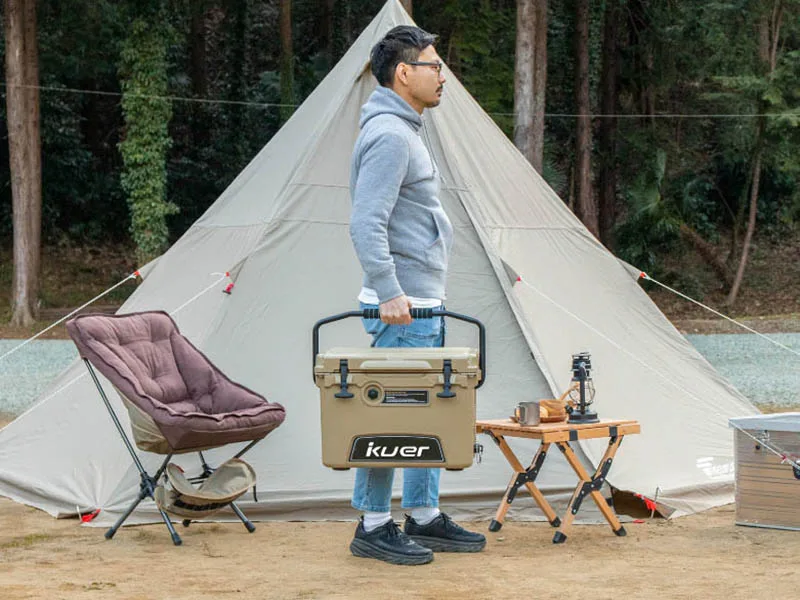

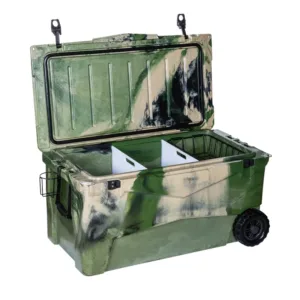
With a high-performance KUER cooler, you can keep food cold for up to 5 to 7 days. The specific duration of cold retention depends on the type of cooler, the ice used, and the surrounding environmental conditions. For instance, coolers designed using the rotomolding process—such as those from KUER—offer superior cold retention compared to ordinary standard models. Please refer to the table below for a performance comparison between different cooler models:
| Cooler Type | Average Cold Time Below 6°C (hours) |
|---|---|
| Standard (Injection Molded) | 38.62 |
| High-Performance (Rotomolded) | 63.72 |
Block ice melts more slowly than cubed or crushed ice, and therefore lasts longer. Hot weather, humid environments, and direct sunlight can also affect how long food remains safe. Taking simple measures—such as selecting the appropriate type of ice and placing your cooler in a shaded area—will help ensure your food stays fresh throughout your entire trip.
Key Takeaways
- Choose a high-performance cooler like KUER, which can keep contents cold for up to 7 days.
- Use block ice instead of ice cubes to extend cooling duration, as block ice melts more slowly.
- Fill the cooler with food and pre-chill it to maximize temperature retention.
- Place the cooler in a shaded area to slow down ice melt during hot weather.
- Minimize the frequency of opening the cooler to maintain the low temperature inside.
Cooler Box Cooling Time
Hard Cooler Box
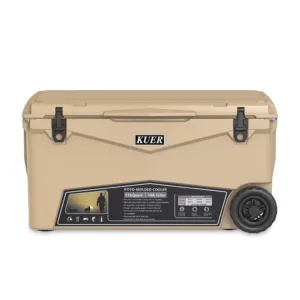
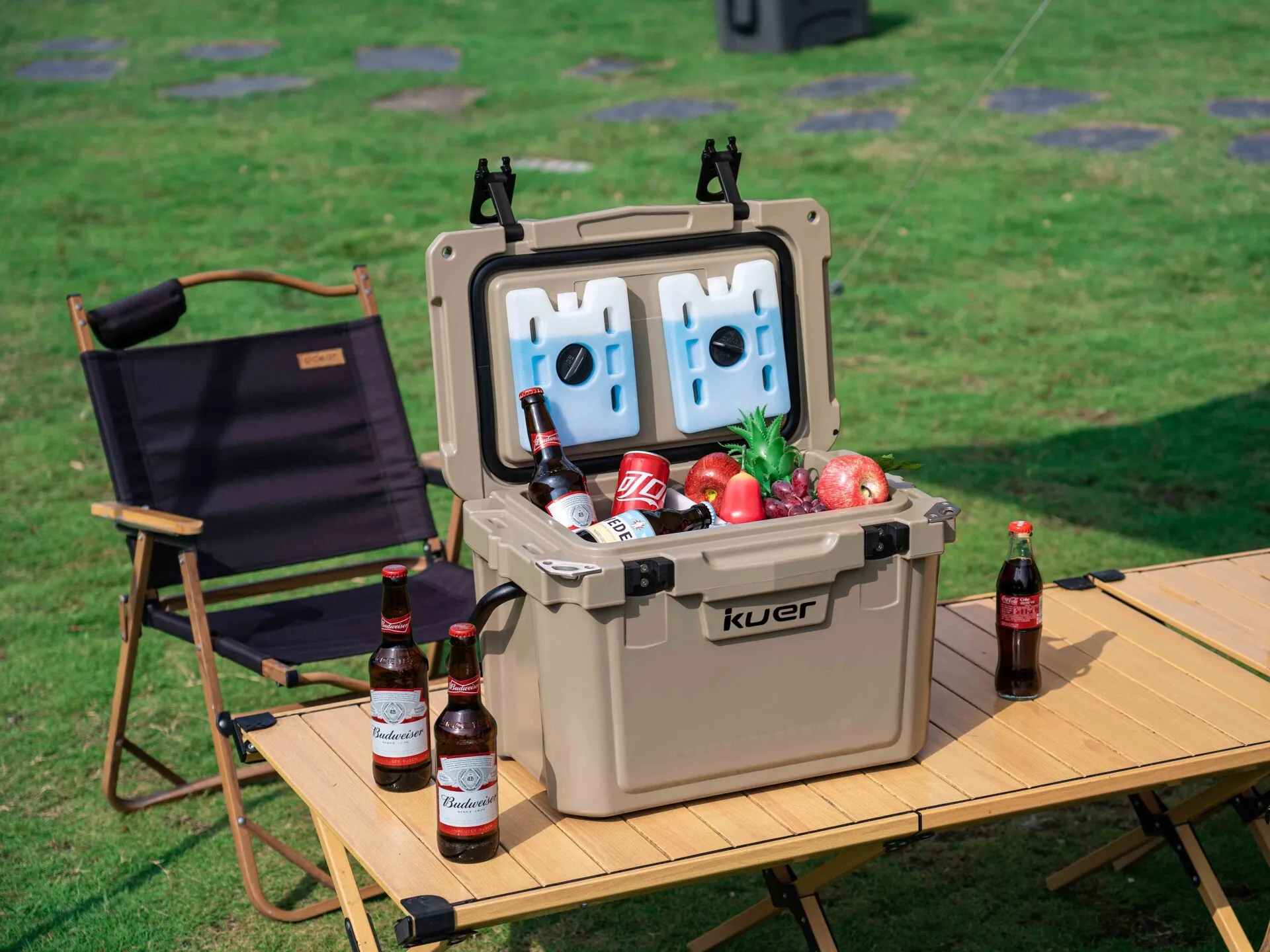
Hard-sided coolers offer optimal cold retention performance. Brands such as KUER utilize a rotomolding process combined with a thick layer of PU foam insulation. This design ensures that, under typical outdoor conditions, food remains chilled for up to 5 to 7 days. In contrast, most standard plastic coolers maintain their cooling capacity for only 2 to 4 days. The table below illustrates how cold retention duration varies depending on the type of cooler and the ambient temperature:
| Cooler Type | Cooling Time (Hours) | Ambient Temperature Impact |
|---|---|---|
| KUER Cooler Box | 120 to 168 | Lasts longer in shade |
| Plastic Coolers | 48 to 96 | Shorter in hot weather |
Hard-sided coolers outperform soft-sided bags and foam coolers. In testing, hard-sided coolers were able to keep ice and beverages cold for a full week. Whether for long-distance travel or hot weather, you can rely on a hard-sided cooler.
Soft Cooler Bag
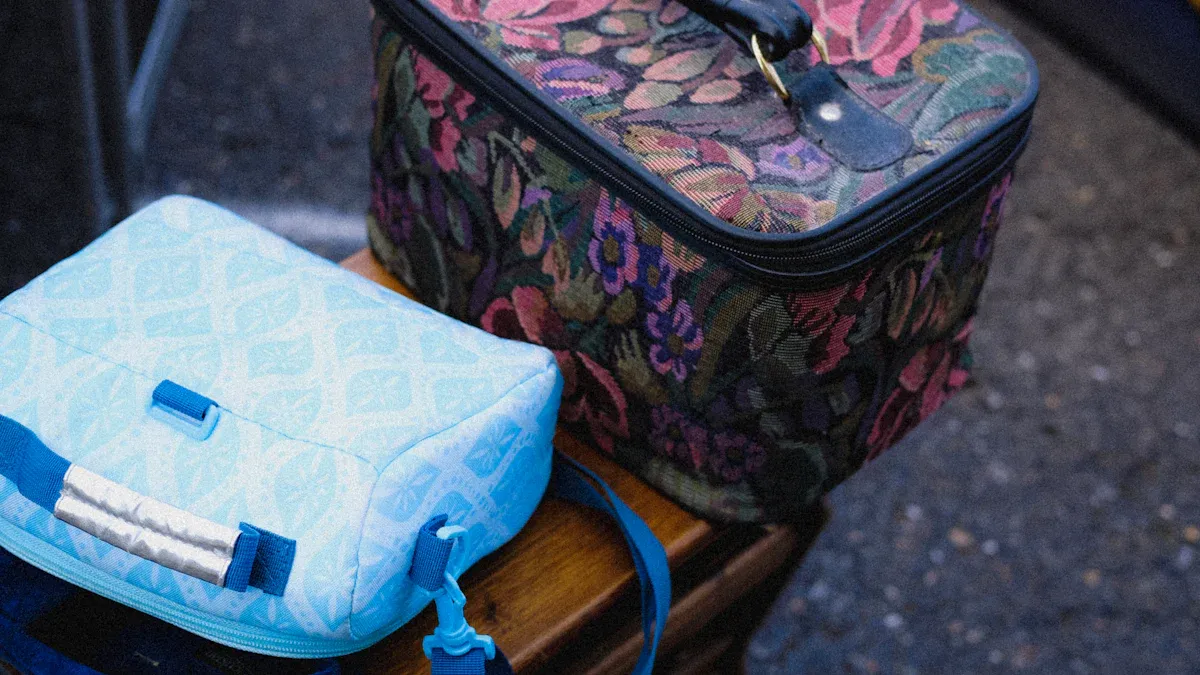
Soft-sided coolers are ideal for short outings. Constructed from flexible fabrics and lightweight insulation, they typically keep food cold for 12 to 24 hours. In controlled tests, the cooling retention of soft-sided coolers was observed to degrade more rapidly than that of hard-sided coolers. While they are lightweight and easy to carry, they are not suitable for multi-day expeditions. If you need to ensure food remains fresh for more than a single day, it is recommended that you opt for a hard-sided cooler instead.
Styrofoam Cooler
Styrofoam coolers are an affordable option. They utilize their foam walls to trap cold air. Most foam coolers can keep food cold for 12 to 48 hours, while some models with thicker walls can maintain cold temperatures for up to 72 hours.
The thickness of the foam material is crucial. Coolers with walls measuring 2 to 3 inches thick can preserve ice for five days or more, whereas coolers with thinner walls may retain cold for only one or two days—particularly in hot weather conditions.
Ice Types
The type of ice you use directly impacts how long your cooler retains its chill. Compared to crushed ice, large blocks of solid ice melt much more slowly. You can also use ice packs; these products typically maintain a cooling effect for up to 48 hours. In some cases, frozen bottles of water can even keep items cold longer than standard ice packs.
External ambient temperature also affects how long the cooler stays cold. Hot weather accelerates the melting of ice. To extend the cooling duration, try placing your cooler in a shaded area.
Tip: Aim to fill the cooler as completely as possible and minimize the number of times you open the lid. Doing so helps trap the cold air inside, thereby ensuring the safety and freshness of your food.
Key Factors Affecting Cooler Box Cooling Time
Insulation and Build
The manufacturing process of a cooler plays a pivotal role in determining its cold retention efficiency. High-quality insulation materials—such as the thick polyurethane foam utilized in KUER coolers—effectively slow down the infiltration of external heat into the interior of the unit. Coolers manufactured using the rotomolding process feature robust, seamless walls, ensuring that there are no weak points in the structure through which heat could easily penetrate. Furthermore, the gasket seal surrounding the lid securely locks cold air inside while effectively barring external warm air, thereby extending ice retention times and further enhancing the safety of stored food.
Tip: For optimal cold retention performance, be sure to choose a cooler equipped with a thick layer of insulation and a tight, secure sealing mechanism.
Ice Amount and Type
The type and quantity of ice you use are crucial. Large blocks of ice or frozen water bottles melt more slowly than small ice cubes. Whenever possible, fill the cooler to capacity. A full cooler retains cold temperatures for a longer duration because there is less empty space inside, which helps prevent the internal temperature from rising.
Packing Method
How you pack a cooler directly affects how long the food stays cold. First, pre-chill both the cooler and the food; items that are already cold help extend the time it takes for the ice to melt. When packing, arrange items as compactly as possible to minimize air gaps inside the cooler.
Tip: The fewer air gaps there are, the lower the chance of warm outside air seeping in.
Outside Temperature
Hot weather accelerates the melting of ice. Placing your cooler in a shaded area helps to slow down this melting process. High external temperatures increase the temperature differential between the inside and outside of the cooler, thereby accelerating the transfer of heat into the interior. Effective insulation and the proper arrangement of contents help to effectively counteract this heat transfer effect.
Opening Frequency
Whenever you open the cooler, warm air rushes in. This accelerates the melting of the ice and raises the internal temperature. Please try to open the lid only when you need to retrieve an item.
| Opening Frequency | Ice Retention Impact |
|---|---|
| Rarely opened | Longest cooling time |
| Opened every hour | Moderate cooling loss |
| Opened frequently | Rapid temperature rise |
Tip: Please plan ahead and gather all the items you need at once; this will help keep your food cold for longer.
Maximize Cooler Box Performance
Pre-Chill the Cooler
First, please pre-chill your cooler. Several hours before loading your food, place ice cubes or ice packs inside the cooler. This step lowers the internal temperature of the cooler, helping to extend the lifespan of the ice. You may also add cold water to accelerate this pre-cooling process. If you are using a KUER cooler, pre-chilling will further enhance its already exceptional insulation capabilities, providing you with even longer-lasting cooling performance.
Tip: Before packing, be sure to pre-chill your beverages and food in a refrigerator. Pre-chilled items help keep everything inside the cooler at a low temperature for a longer duration.
Use Quality Ice Packs
For best results, opt for high-quality ice packs or large blocks of solid ice. These ice packs absorb heat to maintain a stable temperature; moreover—unlike melting ice cubes—they do not create a mess. Gel- or liquid-filled ice packs retain coldness for longer periods, helping to prevent food from becoming damp and soggy. Furthermore, you can reuse them on every trip.
Pack Efficiently
Please organize your cooler carefully. Place refrigerated items and ice packs at the bottom of the box; use extra ice or frozen items to fill any empty spaces; and group similar types of food together. This practice helps trap cold air inside the cooler while preventing warm air from the outside from seeping in.
Keep Out of Sun
Please place the cooler in a cool, shaded area. Sunlight heats the exterior of the cooler, thereby accelerating the melting of the ice. It is recommended to place the cooler on an elevated surface to avoid absorbing heat from the ground. Additionally, you may use a reflective cover or a blanket to block radiant heat.
Limit Opening
Please plan ahead and open the cooler only when necessary. Each time the lid is opened, warm air enters, causing the ice to melt more rapidly. Whenever possible, try to retrieve all the items you need at once.
Tip: Minimizing the number of times you open the lid helps extend cooling retention, thereby ensuring food safety.
Food Safety with Cooler Boxes
Safe Temperature Range
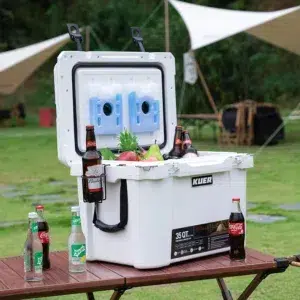
To ensure food safety, you must store food at appropriate temperatures. Bacteria multiply rapidly within the temperature range of 40°F to 140°F. Refrigerated foods should be maintained at a temperature of 40°F (4°C) or lower. Doing so effectively inhibits bacterial growth, thereby keeping food fresh. Be sure to use a thermometer to monitor the internal temperature of your cooler. If you are using a KUER cooler, you can place your full trust in it; even in hot weather, it can maintain a safe, low-temperature environment for several days.
Tip: If the internal temperature of the cooler rises above 40°F and remains there for more than two hours, you should discard all perishable foods inside.
Signs Food Is Unsafe
Always inspect food before eating. Spoiled food can cause illness. Please watch out for the following warning signs:
- Any visible mold on food, even if it has been refrigerated.
- A foul or sour odor emanating from meat, dairy products, or leftovers.
- Changes in color or texture—for example, fruits and vegetables that have become slimy or mushy.
- Meat that feels sticky to the touch or has a foul odor.
If you observe any of the above signs, do not consume the food. When in doubt, discard it.
When to Add Ice
You must maintain an adequate supply of ice within the cooler to ensure the internal temperature remains within a safe range. As soon as you notice the ice beginning to melt, or observe an upward trend in the internal temperature, please replenish the ice immediately. We recommend maintaining a 2:1 ice-to-food ratio by volume—meaning the quantity of ice used should be double the combined volume of your food and beverages. For long-distance trips, we suggest using reusable ice packs; compared to standard ice cubes, ice packs retain their coldness for a longer duration and are more effective at maintaining low temperatures inside the cooler.
Tip: KUER coolers offer exceptional cold retention capabilities, so you will not need to replenish the ice as frequently as you would with a standard cooler.
Quick-Reference Table & Cooler Box Checklist
Cooling Time Table
You can use this chart to compare the ice retention duration of different cooler models. This will help you select the most suitable model for your trip.
| Cooler Model | Ice Retention Duration |
|---|---|
| YETI Tundra 45 | 5-10 days |
| Pelican Elite 50 | Up to 10 days |
| KUER 45-Quart Cooler | 5-7 days |
| RTIC 52 Ultra-Light | Up to 7 days |
| Coleman Xtreme 5-Day | Up to 5 days |
| Igloo BMX 52 Quart | 4-5 days |
| Oyster Tempo Cooler | Up to 12 days |
You will find that high-performance coolers—such as those from KUER, YETI, and Pelican—can keep ice frozen for days, while standard coolers like those from Coleman and Igloo are ideal for short trips.
Cooler Box Checklist
Please follow this checklist to ensure you get the absolute best performance from your cooler during every outdoor excursion:
- Clean your cooler after every use. This helps remove food residue and prevents bacterial growth.
- For safe cleaning, use mild agents such as dish soap, white vinegar, or baking soda.
- Be sure to thoroughly dry the cooler before storing it. It is recommended to leave the lid slightly ajar to allow for internal air circulation.
- Store the cooler in a cool, shaded location, away from heat sources and direct sunlight.
- When packing, arrange ice and refrigerated items tightly together, filling every void inside the cooler to maximize cold retention.
- Pre-chill both the cooler and the food you intend to store before packing; this helps extend the lifespan of the ice.
- Use high-quality insulating materials or ice packs to ensure your food remains in a safe and optimal storage environment.
- Minimize the number of times you open the lid. It is best to plan ahead and retrieve all necessary items at once.
Tip: A properly packed and well-maintained cooler ensures that your food remains fresh and safe throughout your entire outdoor adventure.
Provided you follow the proper usage guidelines, you can place your complete trust in this cooler to keep your food fresh and chilled for days on end. KUER stands out from the competition thanks to the following key advantages:
- It maintains cooling temperatures for up to 72 hours, making it the ideal choice for long-distance travel.
- It utilizes advanced insulation technology to provide comprehensive protection for your food.
- In terms of cooling retention performance, it outperforms renowned brands such as Carhartt and Yeti.
Please follow these steps to ensure optimal performance:
- Pre-chill the cooler in advance.
- Use large blocks of ice (ice bricks) and load only pre-chilled food items.
- Pack items tightly together and store the cooler in a shaded area.
Go forth and enjoy your outdoor adventures—ensuring you have fresh, delicious food to savor on every single trip!
FAQ
How do you keep a cooler box cold for longer?
You should pre-chill your cooler in advance, use large blocks of ice, and place it in a shady spot. Try to fill it as full as possible, and open it only when necessary. Taking these measures will help keep your food cold for several days.
Can you use dry ice in a KUER cooler box?
Yes, you can use dry ice in a KUER cooler. Compared to regular ice, dry ice keeps items frozen for a longer period. When handling dry ice, please be sure to wear gloves and ensure proper ventilation.
How often should you clean your cooler box?
You should clean the cooler after every use. Please wash it with mild soapy water and wipe it thoroughly dry before storing it. Doing so prevents odors and ensures the cooler is always ready for your next trip.
What is the best ice-to-food ratio for a cooler box?
Tip: For best results, use a 2:1 ratio of ice to food.
Fill the cooler so that two-thirds of the space is occupied by ice and one-third by food and beverages. This ensures that all items remain cold and safe.

 Request a quote
