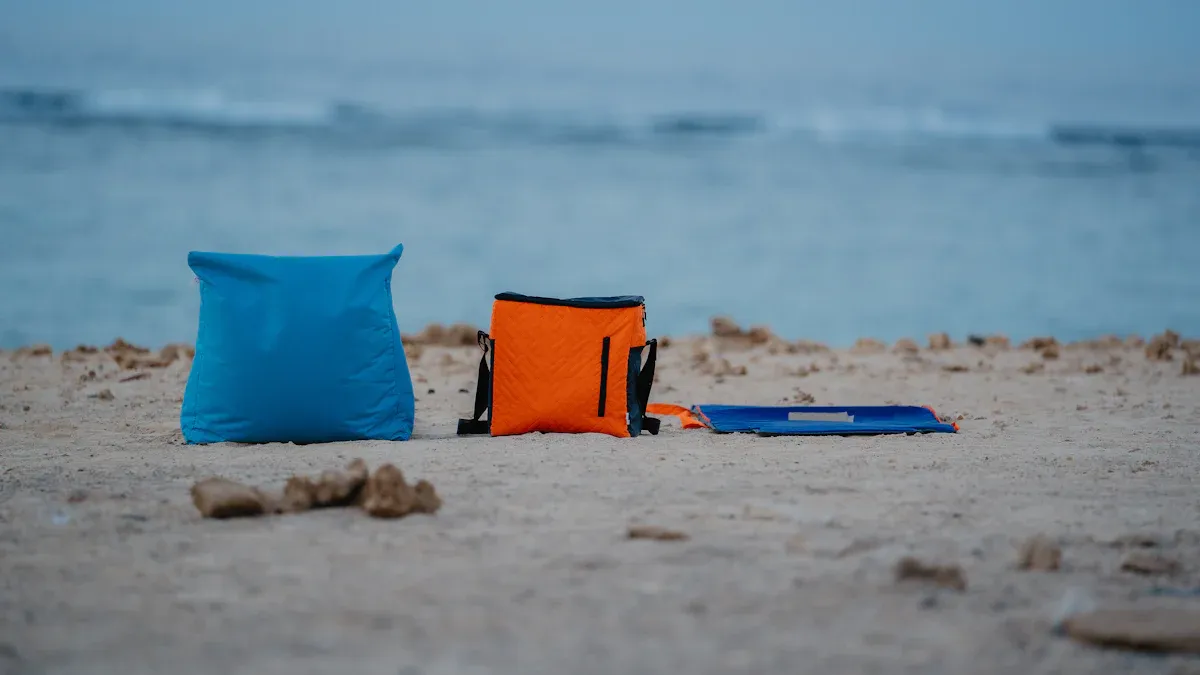

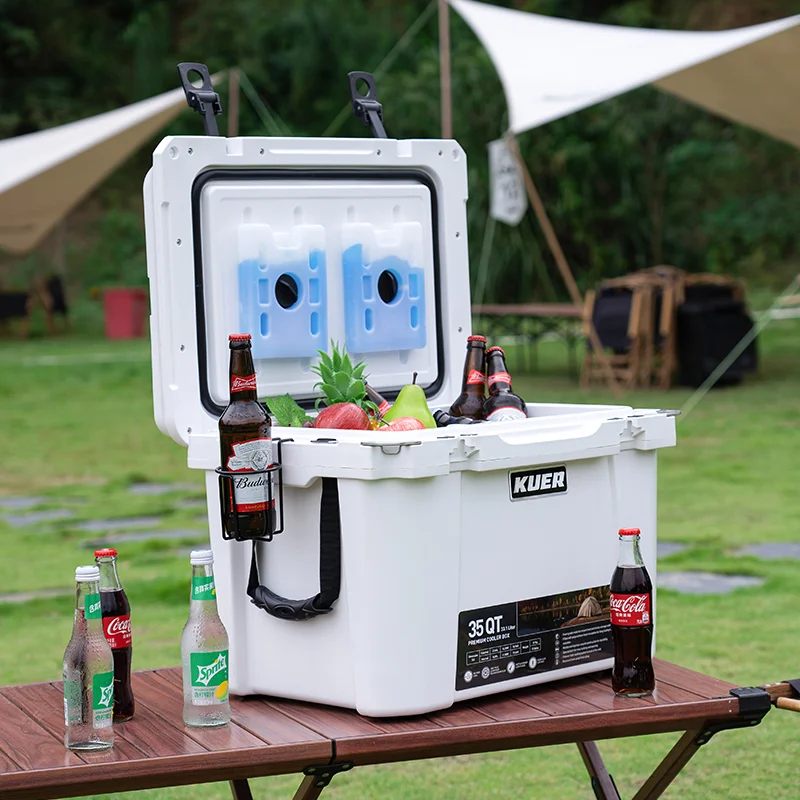
Cooler boxes can keep things cold for 24 hours or more than a week. This depends on how they are made and how people use them. How long a cooler stays cold is important for food safety outside. People keep their food safe by picking the right cooler. They also choose the best ice and pack things well. Planning meals helps too. These steps keep food safe and drinks cold on long trips.
Key Takeaways
- Cooler boxes can keep ice cold for one day or even a week. This depends on the type of cooler and how you use it. – Pick the right cooler for your trip. Soft coolers are good for short trips. Hard or rotomolded coolers are better for long trips. – Use block ice if you want things to stay cold longer. Add ice cubes if you want things to get cold fast. – Pack your cooler so there is not much empty space. Chill your food and drinks before putting them in. Keep the cooler in the shade to help the ice last longer. – Check the temperature of your food to keep it safe. Make sure food stays under 40°F so it does not spoil.
Cooler Boxes: Average Ice Retention
Cooler Type Durations
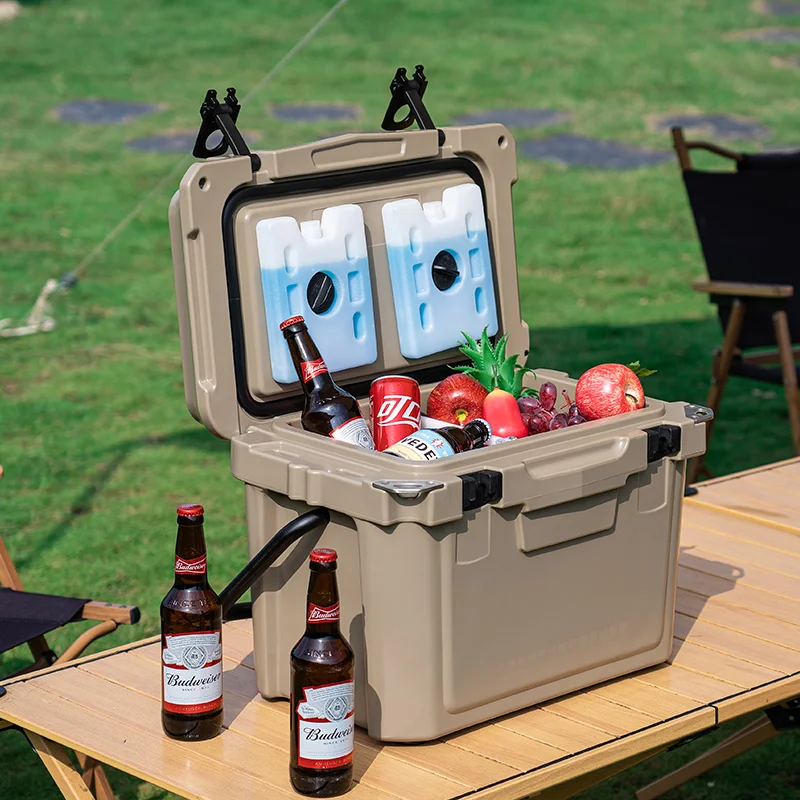
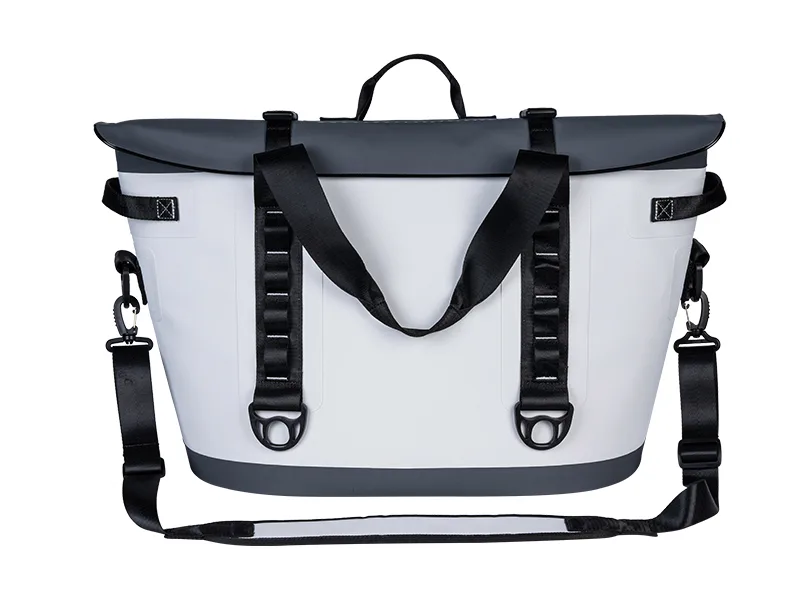
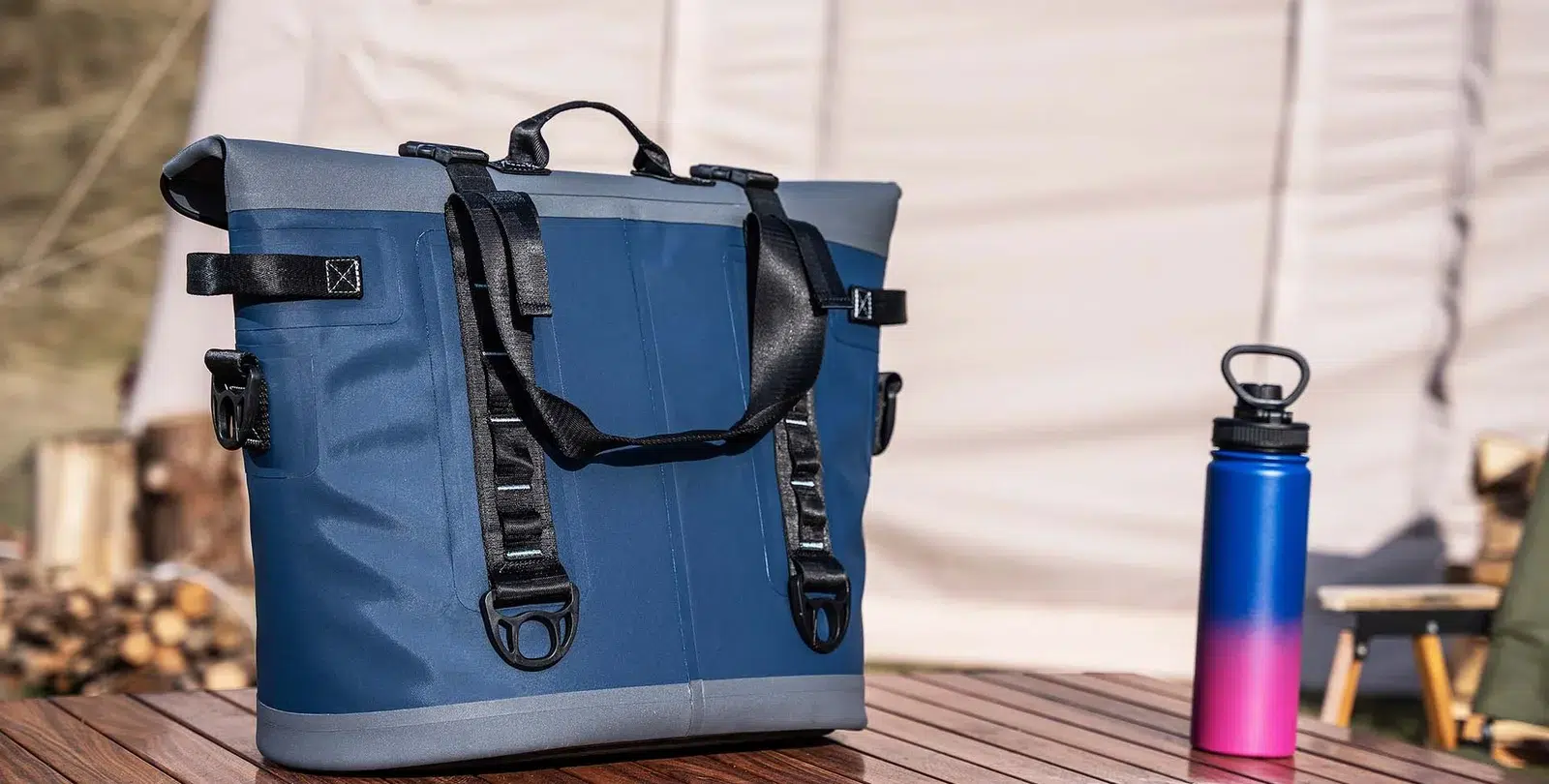
Cooler boxes have different types. Each type keeps ice cold for different times. Soft coolers keep things cold for a few hours. They are good for short trips or lunch. Hard coolers keep things cold longer. Many people use them for camping or fishing. Rotomolded coolers have thick insulation. These coolers keep ice cold for many days.
High-end coolers, like the KUER 110QT Rotomolded Hard Cooler B with Wheels, work very well. This cooler keeps ice cold for 5 to 7 days. Other coolers, such as the Pelican Elite 50QT and Yeti Tundra 65, keep ice cold for 8 to 10 days. Standard coolers keep ice cold for 1 to 2 days. People pick cooler boxes based on their trip and needs.
Tip: Rotomolded coolers are great for long outdoor trips. Their thick walls and strong insulation help keep ice cold longer.
Quick-Reference Table
The table below shows how long different cooler types keep ice cold and what they are best used for:
| Cooler Type | Typical Ice Retention | Ideal Use Duration |
|---|---|---|
| Soft Cooler | 4–8 hours (up to 12 hours with ice packs) | Day trips / Lunch use |
| Hard Cooler | 1–2 days (up to 3 days for rotomolded) | Camping / Fishing / Long outdoor use |
| Rotomolded Cooler | 5–10 days (high-end models) | Extended trips / Large gatherings |
The kind of ice you use also matters. Block ice melts slowly and keeps things cold longer. Ice cubes melt faster but cool things quickly. Using both block ice and ice cubes helps keep things cold for more time. Block ice takes up less space and fits well.
Here is a simple comparison of ice types:
- Block ice melts slowly and lasts longer.
- Ice cubes melt fast and cool things quickly.
- Using both types together keeps things cold longer.
The KUER 110QT Rotomolded Hard Cooler B with Wheels is as good as other high-end coolers. It keeps ice cold for 5 to 7 days. This makes it a good choice for long trips. People who want strong cold storage often pick rotomolded coolers because they work so well.
Factors Affecting Cooler Performance
Insulation performance and structural quality of cooler box
Insulation is very important for keeping things cold. Thick walls and lids made with high-density foam help a lot. Premium coolers use special foam called polyurethane foam. This foam has a high R-value per inch. Good structure also matters for cooler boxes. A lid that seals tightly keeps warm air out. It also keeps cold air inside. Features like drain plugs and compartments make coolers easier to use.
| Insulation Type | R-Value per inch | Long-term Performance (R-Value) |
|---|---|---|
| Polyurethane Foam | Up to 8.06 | 7.93 |
| Extruded Polystyrene | 5 | 3.95 (after 12 years) |
Note: The best cooling happens with insulation that is 3 to 4 inches thick. Thicker insulation slows down heat and keeps ice longer.
Ice Type and Amount
The kind and amount of ice you use matters. Block ice melts slowly and keeps things cold longer. Cubed and crushed ice melt fast but cool things quickly. Ice packs also melt slowly and last longer. Dry ice lasts the longest but needs to be handled carefully.
| Type of Ice | Melting Rate | Cooling Duration |
|---|---|---|
| Block Ice | Melts slowly | Longer-lasting cooling |
| Cubed Ice | Melts quickly | Shorter cooling duration |
| Crushed Ice | Melts quickly | Shorter cooling duration |
| Ice Packs | Melts slowly | Longer-lasting cooling |
| Dry Ice | Melts very slowly | Extended cooling effect |
Using both block ice and cubes gives fast and long cooling. Put block ice at the bottom and cubes on top for best results.
Packing Methods
How you pack your cooler affects how long it stays cold. Packing well means less empty space for warm air. Pre-cool your food and drinks before putting them in. Using good insulation helps keep things cold. Try not to leave air pockets when packing.
- Pre-cool food and drinks before packing.
- Fill empty spaces to stop air gaps.
- Use layers of ice for better cooling.
External Conditions
Outside conditions change how well your cooler works. Hot weather makes ice melt faster. Sunlight makes the cooler warm up more. Humidity can also make it harder to keep things cold. Keeping your cooler in the shade helps it work better.
| Environmental Factor | Effect on Cooler Box Performance |
|---|---|
| Solar Irradiance | Reduces cooling effectiveness |
| Humidity | Decreases cooling efficiency |
| Ambient Temperature | Limits cooling capabilities |
| Cloud Cover | Influences cooling effectiveness |
Tip: Keep your cooler in the shade to slow down melting and keep things cold longer.
Cooler Opening Frequency
Opening the cooler a lot lets warm air inside. This makes the ice melt faster. Try to open the lid only when you need to. Keep the lid closed tight after using it.
- Only open the cooler when you need something.
- Plan ahead so you open the lid less.
- Always close the lid tightly after each use.
Maximizing Cooler Ice Retention
Pre-Chilling Tips
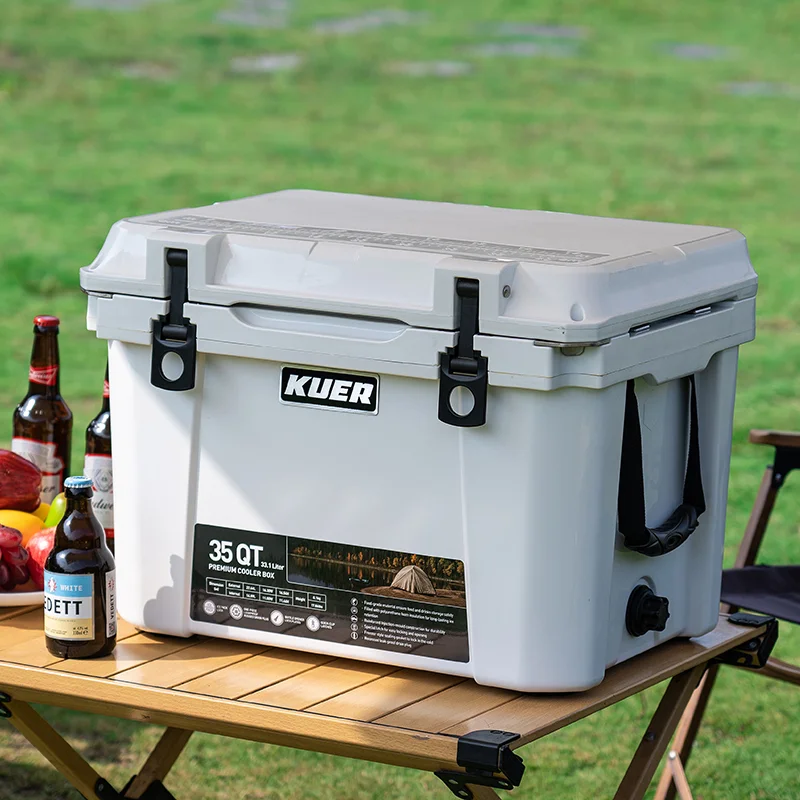
You can keep ice longer by cooling your cooler first. Put the cooler in a cool room before you use it. Fill it with ice or packs for a few hours. This makes the inside cold. The insulation works better when the cooler is cold. If you pre-chill your cooler, ice stays frozen longer on trips.
Tip: Chill your food and drinks before packing. Cold items help keep the cooler cold inside.
Packing and Layering
Packing your cooler the right way helps a lot. Start with freeze packs at the bottom. Put cold food and drinks on top of the packs. Frozen water bottles are good and give you water later. Add more ice or packs on top and around the sides. This makes a cold wall and keeps things cold longer.
Choosing Ice or Packs
Ice and bags both have good points. Ice bags last longer and keep things cold. Regular ice cools fast but melts and makes water. Many people use both for the best results. The table below shows how they are different:
| Aspect | Ice bags | Traditional Ice |
|---|---|---|
| Duration | Longer cooling | Melts faster |
| Temperature | Steady cold | Fluctuates as ice melts |
| Convenience | Reusable, less mess | Leaves water as it melts |
| Weight | Lighter | Heavier |
| Cost | More expensive at first | Cheaper, but needs refilling |
Cooler Placement
Where you put your cooler is important. Sun makes ice melt faster. Put your cooler in the shade to keep it cold. Dark coolers get hot faster, so light colors are better in the sun. Keep your cooler off hot ground like pavement. The KUER rotomolded cooler has thick walls and insulation. This keeps cold air inside and slows melting, even outside.
Note: Try not to open your cooler too much. This helps keep ice from melting quickly.
Food Safety with Cooler Boxes
Safe Temperature Guidelines
Food safety means keeping food cold enough. Cooler boxes help keep food safe on trips. Different foods need different cold temperatures. The table below shows the best temperatures for each food:
| Food Type | Recommended Storage Temperature |
|---|---|
| Raw Meat & Poultry | 32°F – 36°F (0°C – 2°C) |
| Seafood | 30°F – 34°F (-1°C – 1°C) |
| Dairy Products | 34°F – 38°F (1°C – 3°C) |
| Fruits & Vegetables | 35°F – 40°F (2°C – 4°C) |
| Prepared Foods | 34°F – 38°F (1°C – 3°C) |
Keeping food under 40°F stops bacteria from growing. People should use enough ice to keep food cold. Cold air inside the cooler keeps food fresh and slows spoilage.
Spoilage Signs
Spoiled food can make you sick. People need to check food before eating. Look for these signs:
- Bad or sour smell
- Slimy or sticky feel
- Strange color or mold spots
- Ice melting fast and water in the cooler
If food smells or looks weird, throw it away. Cold storage helps, but checking food is always important.
Tip: If you are not sure, throw it out. Staying safe is more important than saving food.
Monitoring Temperature
Checking the cooler’s temperature keeps food safe. People use thermometers to see if the cooler is cold enough. Good ways to check include:
- Measuring food temperatures often
- Watching time and temperature during trips
- Making sure thermometers work right
- Writing down temperature readings
- Packing containers to help cold air move
- Having someone check for group trips
Meat thermometers or digital sensors help track temperatures. Checking often makes sure ice keeps food cold and safe. Technology gives real-time data so people feel safe.
Note: Checking temperatures often helps stop spoilage and keeps everyone healthy on trips.
Choosing the Right Cooler
Hard vs. Soft Coolers
Picking a hard cooler or a soft cooler depends on your trip. Hard coolers are made with rotomolded plastic and thick insulation. They keep ice cold for many days, even when it is hot outside. Soft coolers use foam and nylon. They are light and easy to carry. Soft coolers only keep ice cold for a few hours. Hard coolers are good for camping or fishing trips. Soft coolers are better for short trips or picnics.
| Feature | Hard Coolers | Soft Coolers |
|---|---|---|
| Material | Rotomolded plastic | Foam, nylon, plastic |
| Durability | Very durable | Less durable |
| Insulation | Superior, keeps ice for days | Good, but less effective |
| Weight | Heavier | Lighter |
| Portability | Less portable | Easy to carry |
Hard coolers keep things cold longer and work well in tough places. Soft coolers are best for quick trips.
High-End vs. Budget
High-end coolers like the KUER 110QT Rotomolded Hard Cooler B with Wheels have thick insulation and strong build. These coolers keep ice cold for five to seven days. They are great for long outdoor trips. Budget coolers keep things cold for one or two days. The difference is in the insulation and materials. High-end coolers cost more but last longer and work better for people who need cold storage for a long time.
When to Upgrade
Upgrade your cooler if you need more space or better cooling. Big groups or long trips need a cooler with higher capacity. Features like wheels, strong handles, and thick insulation help with carrying and keeping ice cold. The KUER 110QT cooler keeps things cold for many days, even in hot weather. It holds enough food, drinks, and ice packs for long adventures.
- Get a bigger cooler for long trips or off-grid use.
- Pick coolers with thick insulation and sturdy wheels.
- Choose a cooler that fits your group and activity.
Tip: For camping or fishing, use a cooler with strong insulation and enough room for ice, food, and packs. This keeps everything cold and safe.
Cooler boxes keep food cold for different times. The table below shows how long some brands last:
| Cooler Brand | Ice Retention Time (hours) | Notes |
|---|---|---|
| Igloo Leeward | 28 to 53.5 | Lost all ice between 28 and 53.5 hours |
| YETI Tundra 45 | 53.5 to 77 | Lost all ice between 53.5 and 77 hours |
| Otter Box Venture 45 | >77 | Still had 1 lb ice at 77 hours; best retention |
Key factors include insulation, ice type, and how often the lid opens. Packing tightly and layering frozen food at the bottom help keep things safe. For best results, pre-chill the cooler, fill empty spaces, and plan meals ahead. 🧊 Careful planning keeps food cold and safe on every adventure.
FAQ
How can someone make ice last longer in a cooler box?
People can pre-chill the cooler, use block ice, and keep the lid closed. Packing the cooler full and placing it in the shade also helps. Cold air stays trapped when the cooler is not opened often.
What is the best type of ice for cooler boxes?
Block ice lasts longer than ice cubes. Ice packs also work well for steady cooling. Many people use both block ice and cubes together for the best results.
How often should someone clean a cooler box?
Cleaning after every use keeps the cooler fresh and safe. Use mild soap and water. Dry the cooler completely before storing it. This prevents mold and odors.
Can dry ice be used in all cooler boxes?
Not all cooler boxes can handle dry ice. Only use dry ice in coolers designed for it. Always follow safety instructions. Dry ice can damage some materials and needs careful handling.

 Request a quote
