

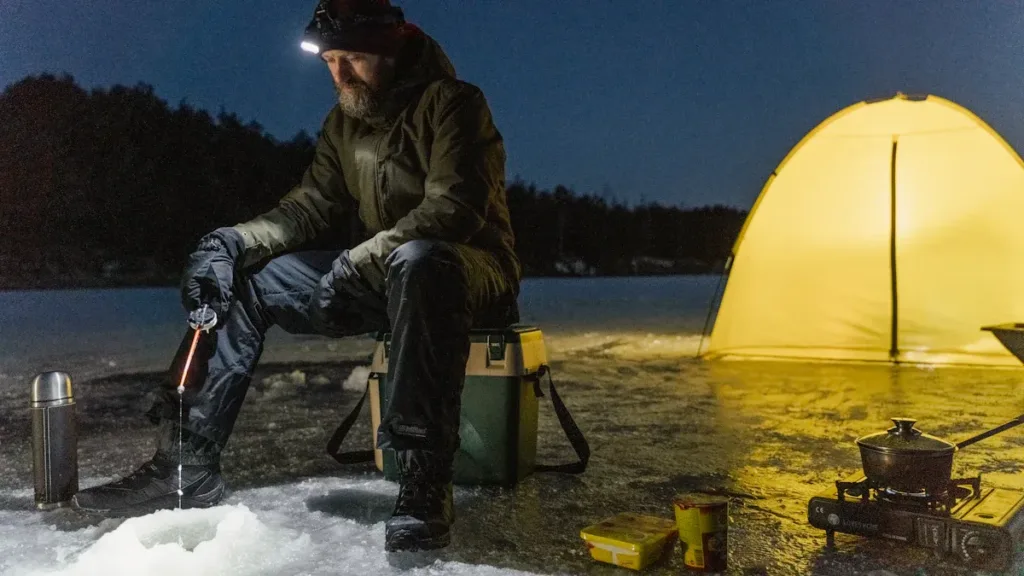
Many anglers wonder how long can fish stay fresh in a cooler bag. Recent data shows fish remain fresh for 24 to 48 hours when kept cold. Using a high-quality fishing cooler, such as a rotomolded cooler with wheels or a live bait cooler box, can extend freshness for over 5 days. The right temperature, enough ice, proper fish care essentials, and cooler quality all matter. Choosing a fishing cooler designed for long trips helps protect your catch and keeps it safe to eat.
Key Takeaways
-
Fish can stay good in a cooler bag for one to two days if you keep it cold with lots of ice.
-
If you use a cooler with thick walls and the right features, fish can stay fresh for more than five days.
-
You should always clean and gut fish right after you catch them. This helps slow down spoilage and keeps the fish good.
-
Check the cooler’s temperature often and add more ice if you need to. This keeps the fish safe to eat.
-
Keep raw fish away from other foods in the cooler. This stops germs from spreading.
How Long Can Fish Stay Fresh in a Cooler Bag
Typical Time Ranges
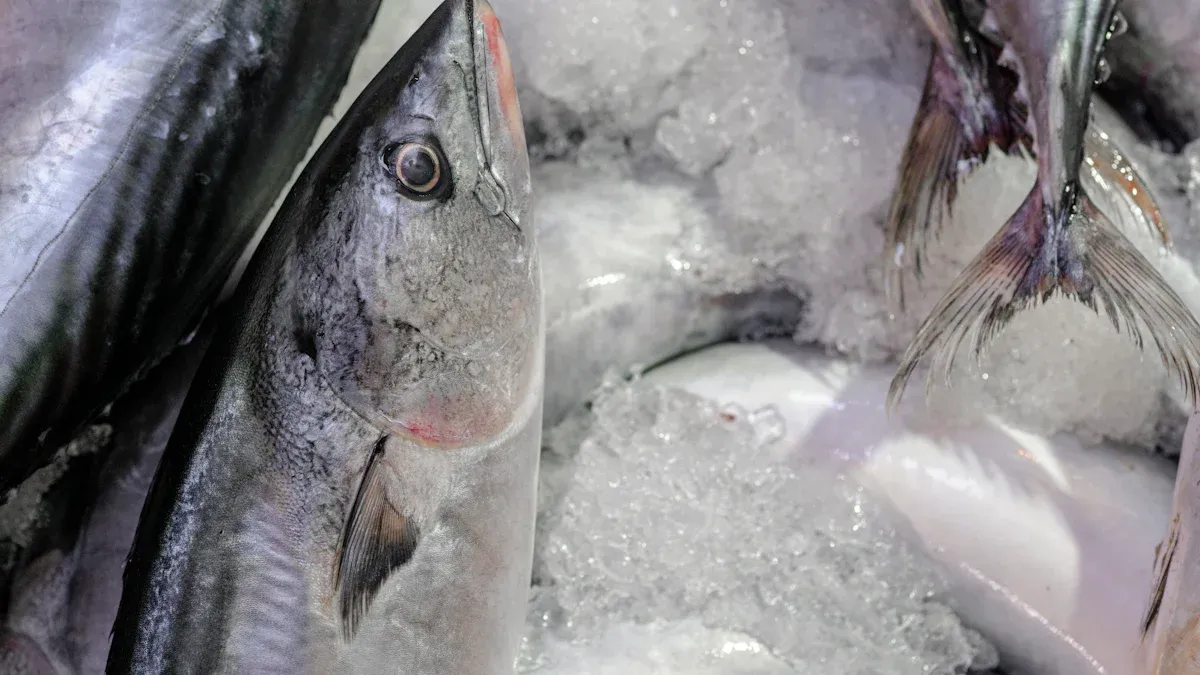
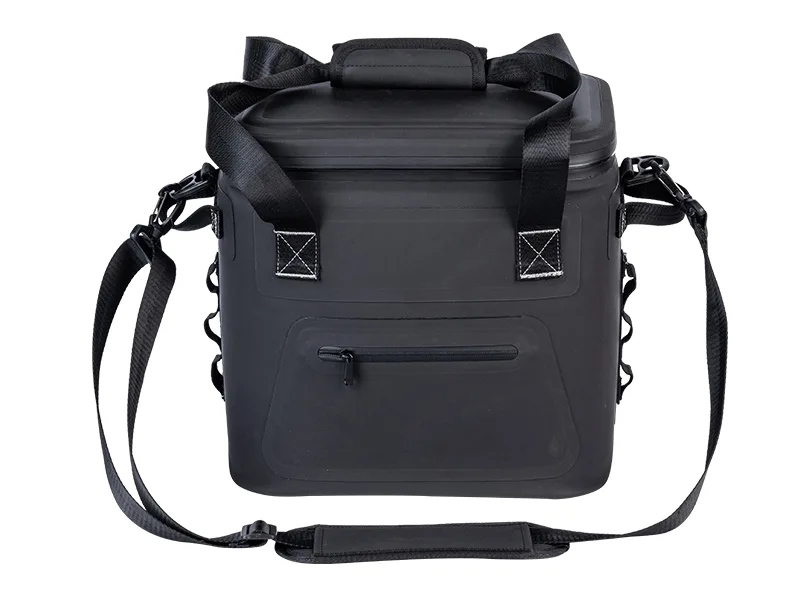
How long fish stays good in a cooler bag depends on a few things. Most anglers say fish stays fresh for 24 to 48 hours if you keep it cold with enough ice. Some cooler bags have thick insulation and can keep fish safe for two days. The type of fish matters too. For example, finfish should be eaten within one or two days if kept cold. Shellfish like mussels and clams last two to three days. Oysters can stay safe for up to ten days if you store them the right way.
Here is a table that shows how long you can keep different types of fish:
|
Fish Type |
Recommended Storage Duration in Cooler Bags |
|---|---|
|
Finfish |
1 to 2 days in refrigerator; freeze if not used soon |
|
Shellfish |
Mussels and clams: 2-3 days; Oysters: 7-10 days |
|
Shucked Shellfish |
Can be frozen for longer storage |
|
Live Lobsters/Crabs |
Cook the same day of purchase |
Cooler bag models work differently in tests and on fishing trips. The table below compares some popular models:
|
Cooler Bag Model |
Insulation Type |
Ice Retention Duration |
Additional Features |
|---|---|---|---|
|
THKFISH Insulated Fish Cooler Bag |
10mm pearl cotton |
Up to 2 days |
Leak resistance, waterproof zipper |
|
Buffalo Gear 106Qt Fish Kill Bag |
Not specified |
Weekend tournament |
Durable YKK zipper, large capacity |
|
Precision Pak Fish Bag |
Closed-cell foam |
Up to a few days |
Drain spout for easy cleaning |
|
Opah Fathom Fish Kill Bag |
Greater insulation |
Longer freshness |
Leakproof YKK zipper |
Tip: Always use enough ice to cover the fish. Add more ice if it melts to keep things cold.
Factors Affecting Freshness
Many things decide how long fish stays fresh in a cooler bag. These include:
-
Insulation Quality: Thick insulation keeps the cold inside. Cooler bags with better insulation keep fish safe longer.
-
Amount of Ice: More ice means colder temperatures. Use enough ice to surround the fish. Add more ice if it melts.
-
Fish Preparation: Clean and gut the fish soon after catching it. This helps slow down spoilage.
-
Cooler Bag Size: A bag that fits your fish and ice works best. Too much empty space makes ice melt faster.
-
Opening Frequency: Every time you open the bag, warm air gets in. Try to open the bag only when you need to.
-
External Temperature: Hot weather melts ice faster. Keep the bag in the shade or cover it with a towel.
Insulation thickness and quality are important for keeping fish cold. Fishing trips show that some cooler bags work better than others, even if lab tests say something else. Many anglers say bags with strong zippers and leakproof seams help keep ice from melting fast.
Note: Always check the fish before eating. If it smells bad or feels slimy, do not eat it.
Temperature Control in Cooler Bags
Ideal Temperature Range
Fish stays fresh when kept near 32°F (0°C). This cold temperature slows bacteria growth. It also keeps fish safe to eat. Experts say the cooler bag should stay under 40°F (4°C). If it gets warmer, bacteria grow faster. This makes the fish spoil quicker.
Cooler bags with UV-resistant coatings help keep the inside cool. They work even if the sun is shining on the bag. Waterproof and mold-resistant linings help trap cold air inside. They also protect fish from outside moisture. The table below shows how these features help cooler bags work better:
|
Feature |
Impact on Performance |
|---|---|
|
UV-Resistant Coatings |
Stops sunlight from breaking down the bag. |
|
Waterproof Linings |
Keeps insulation strong in wet places. |
|
Mold-Resistant Linings |
Blocks moisture, so fish stays fresh longer. |
Tip: Put the cooler bag in the shade when you can. This helps keep the inside colder.
Monitoring and Maintaining Cold
Good temperature control starts before your trip. Chill the cooler bag first to help fish stay fresh. A cold bag needs less ice and keeps fish safe right away. This also saves space and makes the bag lighter.
Humidity and sunlight can make the cooler bag warm up. Humidity can spoil fish faster. Cooler bags with hydrophobic materials block moisture and keep fish fresh. Sunlight heats the bag, so cover or shade it.
Use a thermometer inside the cooler bag to check the temperature. Check it often to make sure it stays cold enough. Add more ice if needed to keep the temperature steady.
Note: Only open the cooler bag when you must. Every time you open it, warm air gets in and makes it harder to keep fish cold.
Ice and Cooler Bag Efficiency
Ice-to-Fish Ratio
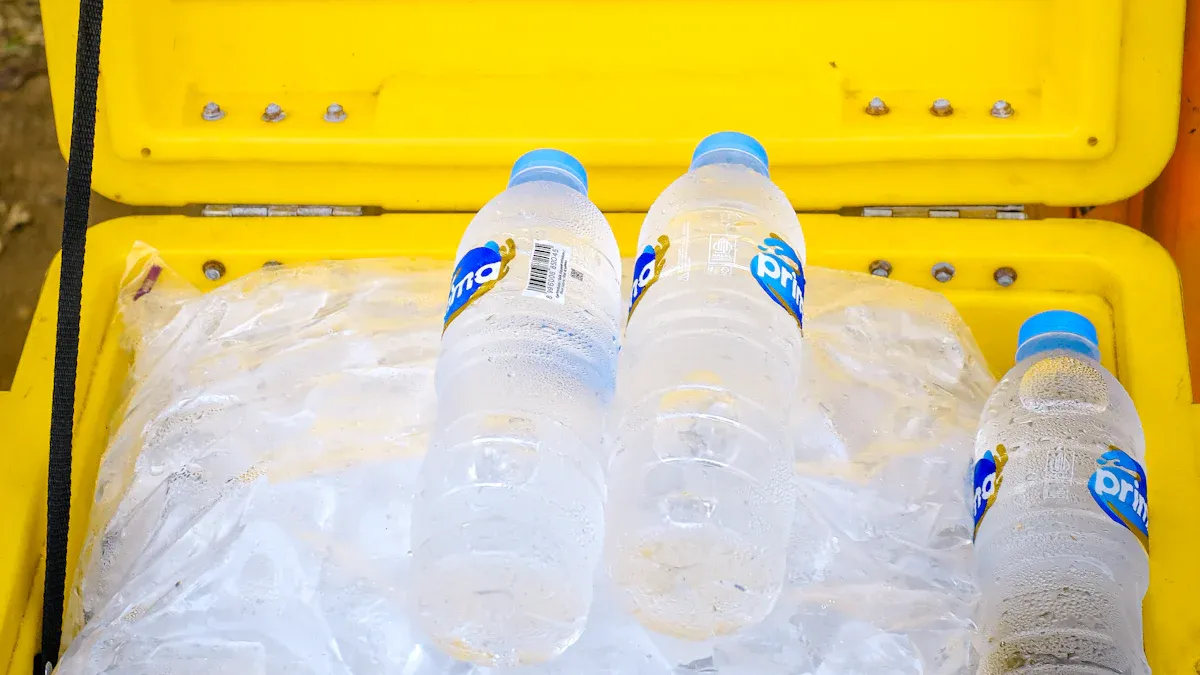
The right amount of ice plays a big role in keeping fish fresh. Most experts recommend a ratio of two parts ice to one part fish by weight. This means if someone has 10 pounds of fish, they should use 20 pounds of ice. Enough ice helps keep the temperature low and slows down spoilage.
The type of ice also matters. Block ice melts slowly and lasts longer because it has less surface area exposed to warm air. Crushed ice cools fish faster since it covers more surface, but it melts quicker and may bruise the fish. The table below compares the two types:
|
Type of Ice |
Cooling Efficiency |
Space Utilization |
Potential Damage to Fish |
|---|---|---|---|
|
Block Ice |
Melts slowly, lasts longer |
Space-efficient, good for long trips |
Can damage fish if not crushed properly |
|
Crushed Ice |
Cools quickly, better contact |
Less space-efficient, needs more volume |
Can bruise fish, especially with large pieces |
Tip: Arrange the ice so it surrounds the fish on all sides. This keeps the temperature even and prevents warm spots.
Crushed ice can bruise fish more than block ice. Large pieces may not cover the fish well, which can lead to faster spoilage. Block ice works best for long trips, but it should be broken into smaller pieces to avoid damaging the fish.
Draining Melted Ice
Melted ice, or water, can cause fish to spoil faster if left in the cooler bag. Water raises the temperature and creates a place for bacteria to grow. Anglers should drain melted ice regularly to keep fish cold and dry. Many cooler bags have a drain plug for easy removal of water.
Note: Always replace the ice when it melts to keep fish at a safe temperature.
Keeping fish out of standing water helps maintain freshness. Draining melted ice and adding new ice ensures the fish stays cold and safe to eat.
Fish Preparation for Maximum Freshness
Cleaning and Gutting
Proper cleaning and gutting help keep fish fresh for longer periods. Anglers should dress the fish based on their needs. This process may include heading, gutting, scaling, filleting, or steaking. Each step removes parts that spoil quickly. After dressing, rinse the fish or fillets under cool, running tap water. This step washes away blood, bacteria, and loose scales. Clean fish cools faster and stays fresh longer in a cooler bag.
A clean work area prevents contamination. Use a sharp knife and cutting board dedicated to fish. Rinse tools and hands often. Place cleaned fish on fresh ice right away. This slows down spoilage and keeps the catch safe to eat.
Tip: Clean and gut fish as soon as possible after catching. Quick action helps maintain quality and flavor.
Wrapping and Storing
Wrapping fish correctly protects it from air and bacteria. Start by wrapping each piece tightly in plastic wrap. Make sure there are no air pockets. Air can cause freezer burn and spoilage. Next, place the wrapped fish in a heavy-duty freezer bag. Remove as much air as possible before sealing the bag. This step adds another layer of protection.
Label the bag with the date before you store the fish. This helps track freshness and prevents confusion. Store the fish on ice in the cooler bag if you plan to eat it soon. For longer storage, place the fish in a freezer as soon as possible. Keeping fish wrapped and separated from other foods also prevents cross-contamination.
Note: Always store the fish at the coldest part of the cooler bag. Cold temperatures slow bacteria growth and keep fish safe to eat.
Using a Fishing Cooler to Keep Fish Fresh
KUER Fishing Cooler Box Features
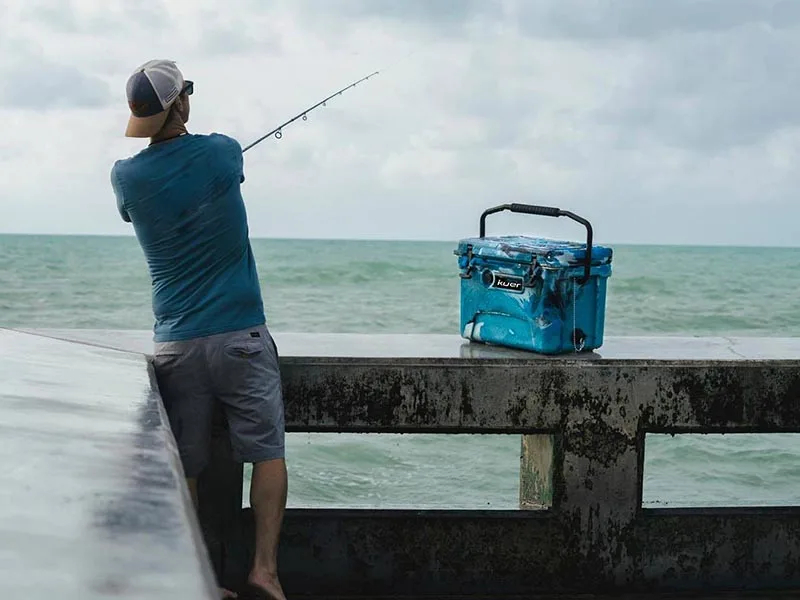
A fishing cooler helps keep fish fresh on long trips. The KUER fishing cooler box is special because it uses rotomolded construction. This makes the cooler strong and tough. Thick insulation inside keeps ice from melting fast. Freezer-style gaskets trap cold air inside. They help keep the temperature low. The thermal circulation function keeps the inside temperature steady. This stops bacteria from growing. Fish stays fresh longer when the temperature is close to 0°C.
The table below explains how these features help keep fish fresh:
|
Feature |
Description |
|---|---|
|
Rotomolded construction |
Makes the cooler strong and tough |
|
Thick insulation |
Keeps ice from melting quickly |
|
Freezer-style gaskets |
Traps cold air to keep things cold |
|
Thermal circulation function |
Keeps the inside temperature steady |
|
Steady temperature near 0°C |
Stops bacteria and keeps fish fresh |
The KUER cooler also has extra accessories. Anglers can use fishing rod holders, padlock plates, and a cutting board. These features make the cooler easier to use. They also help keep fish fresh.
Tip: A high-end fishing cooler costs more. It works better and lasts longer than regular cooler bags.
Choosing the Right Size and Model
Picking the right fishing cooler depends on your trip and how much fish you catch. Anglers should follow these steps:
-
Pick a cooler that is the right size for your trip.
-
Choose a bigger cooler for longer trips or more fish.
-
Make sure there is enough room for ice.
-
Look for coolers with strong handles for easy carrying.
-
Think about coolers with special features like extra chambers or cutting boards.
Fishing coolers come in many sizes. Some are small, like 10-quart models. Others are big, like 110-quart options. If you plan a long trip or want to catch lots of fish, pick a bigger cooler. Some coolers have wheels. Wheels make it easier to move heavy coolers.
The table below compares high-end fishing coolers and regular cooler bags:
|
Feature |
High-End Fishing Cooler |
Standard Cooler Bag |
|---|---|---|
|
Insulation Quality |
Better insulation, keeps things cold longer |
Basic insulation, not as good |
|
Portability |
Heavy, harder to carry |
Light, easy to move |
|
Durability |
Strong and lasts a long time |
Can break or wear out |
|
Value for Money |
Costs more but lasts longer |
Cheaper, may need replacing |
A fishing cooler with strong insulation and tough materials keeps fish fresh for days. Buying a good cooler helps keep fish safe and stops spoilage.
Preventing Contamination in Cooler Bags
Separation from Other Foods
It is important to keep fish away from other foods in a cooler bag. Raw fish can have bacteria that might spread to snacks or cooked food. Anglers should pack raw fish far from foods you can eat right away. Use sealed bags or separate containers for each food type. This helps keep everything safe.
Food safety experts suggest some easy steps for cooler bags:
-
Wash coolers with hot, soapy water before packing cooked seafood.
-
Clean the cooler with sanitizer after carrying raw seafood.
-
Keep raw seafood away from cooked seafood and ready-to-eat foods.
-
Use different bags or containers for raw and cooked foods.
-
Wash your hands for 20 seconds after touching raw fish.
-
Clean cutting boards, dishes, and counters with soap and hot water after handling fish.
-
Use kitchen sanitizer on surfaces for extra safety.
Tip: Label each container so you know what is inside. Put raw fish at the bottom of the cooler so it does not drip on other foods.
Hygiene Practices
Good hygiene helps keep fish safe to eat. It also protects everyone on the trip. Anglers should wash their hands before and after touching raw fish. This step removes bacteria and lowers the chance of getting sick. Keeping fish cold is important too. Fish should stay in a cooler or on ice, especially when it is warm outside.
Other hygiene tips include:
-
Store fresh fish in its original package in the coldest part of the cooler.
-
Eat fish within one or two days, or freeze it if you will not eat it soon.
-
Make sure raw fish does not touch foods you can eat right away.
-
Clean all surfaces and tools after you use them.
Note: Good hygiene and keeping foods apart makes every meal safe and tasty.
Signs Fish Is No Longer Fresh
Visual and Smell Indicators
People can spot spoiled fish by checking its appearance and smell. Fresh fish usually has clear eyes and bright red gills. The skin looks shiny, and the flesh feels firm. When fish starts to spoil, several signs appear:
-
Eyes turn cloudy or sunken.
-
Gills lose their bright color and look bruised.
-
Flesh becomes soft or mushy.
-
Skin looks dull or faded.
-
A strong, foul, or fishy odor develops.
-
Off-flavors may appear when tasting.
-
Ammonia or chemical smells signal advanced spoilage.
Traditional checks involve looking at the eyes and gills or smelling the fish. New devices can detect chemical changes, such as the formation of hypoxanthine, before visible signs show. Spoilage may take hours or days to appear, so early detection helps prevent illness.
Tip: Always trust your senses. If the fish smells bad or looks strange, do not eat it.
Safety Tips
Food safety authorities recommend several steps to keep fish safe in cooler bags. The table below lists important tips:
|
Safety Tip |
Description |
|---|---|
|
Use ice packs |
Fill empty spaces in the cooler with ice, ice packs, or gel packs. |
|
Maintain temperature |
Keep cooler temperatures at 41°F or lower to stop bacteria growth. |
|
Time limits |
Return perishable foods to the cooler within 1 hour if above 90°F, or 2 hours if below. Discard if unsure. |
|
Separate raw foods |
Keep raw fish away from ready-to-eat foods to avoid cross-contamination. |
People should check the temperature often. If the fish has been out of the cooler too long, it is safer to throw it away. Keeping raw fish separate from other foods helps prevent the spread of bacteria.
Note: When in doubt, discard the fish. Safety comes first.
Fish can stay fresh in a cooler bag for two days. Keeping the right temperature and using enough ice helps a lot. Preparing fish the right way also keeps it fresh longer. A KUER fishing cooler works better than most other coolers. It has thick insulation and holds moisture well. This helps keep fish fresh on long trips.
New studies say to use freshness indicators and pack fish carefully. This helps fish last longer.
Some good tips are to chill the cooler before you use it. Put ice and fish in layers. Drain out melted water often. These steps help keep fish safe to eat.
|
Advantage |
Fishing Cooler (KUER) |
Other Storage Methods |
|---|---|---|
|
Temperature Control |
Keeps fish cold with ice |
May not stay cold long |
|
Moisture Retention |
Melting ice keeps fish wet |
Fish can dry out |
|
Heat Transfer |
Ice cools fish quickly |
Fish may not cool fast |
|
Insulation |
Thick walls keep ice from melting |
Ice melts faster |
Pick a cooler that fits your needs. Follow these tips to keep fish fresh and enjoy your catch every time.
 Request a quote
