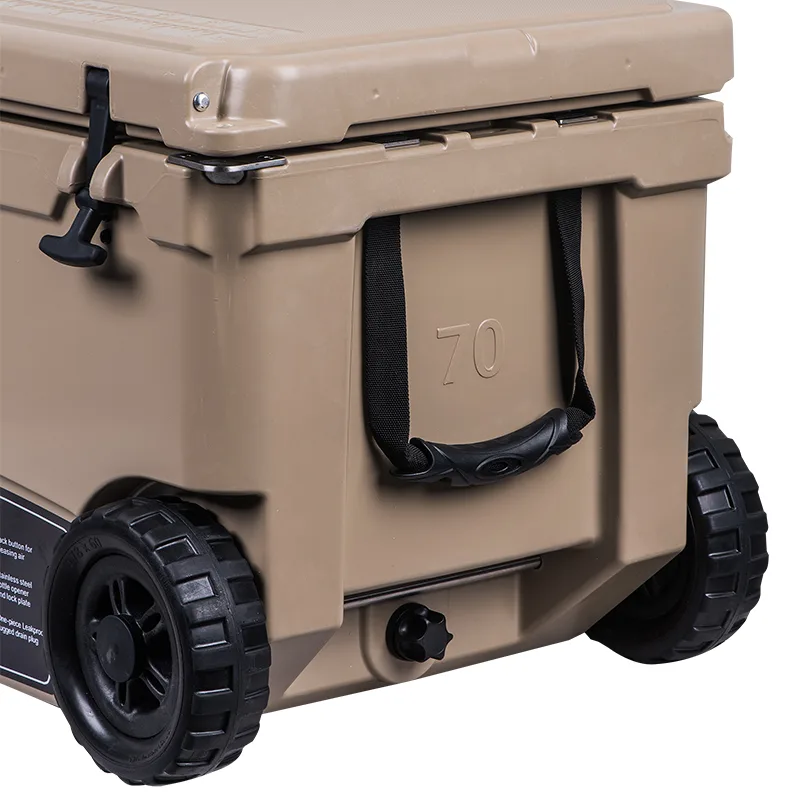

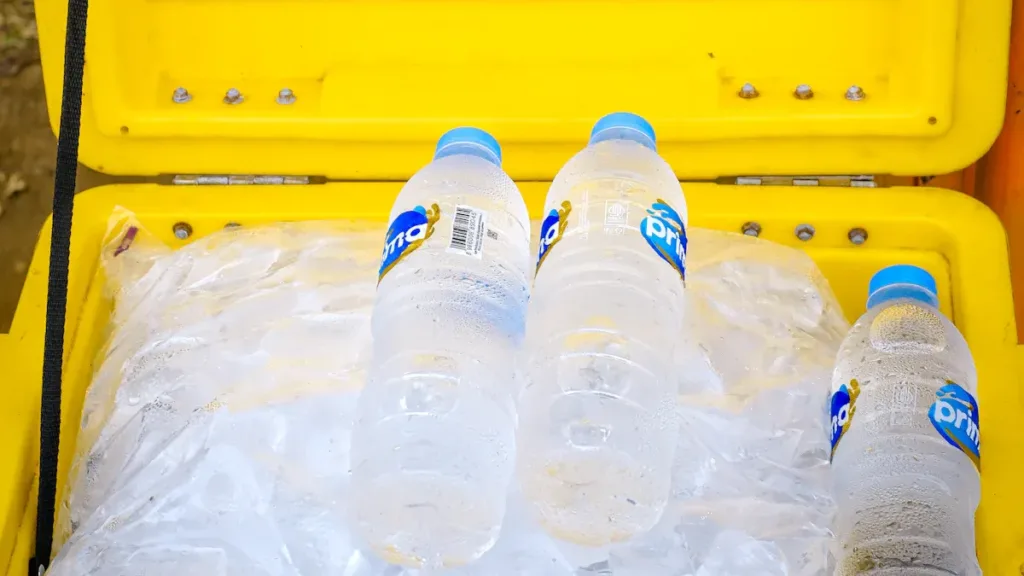
How long does ice stay frozen in a custom ice chest? The answer changes based on a few factors. Most people see ice melt in less than 12 hours if it is hot. However, ice can last over 48 hours if the insulation is very good. The table below shows how temperature and insulation affect how long ice lasts in an ice cooler:
|
Ambient Temperature |
Estimated Ice Duration |
|---|---|
|
Below 32°F (0°C) |
48+ hours |
|
32°F – 60°F |
24-48 hours |
|
60°F – 90°F |
12-24 hours |
|
Above 90°F |
Less than 12 hours |
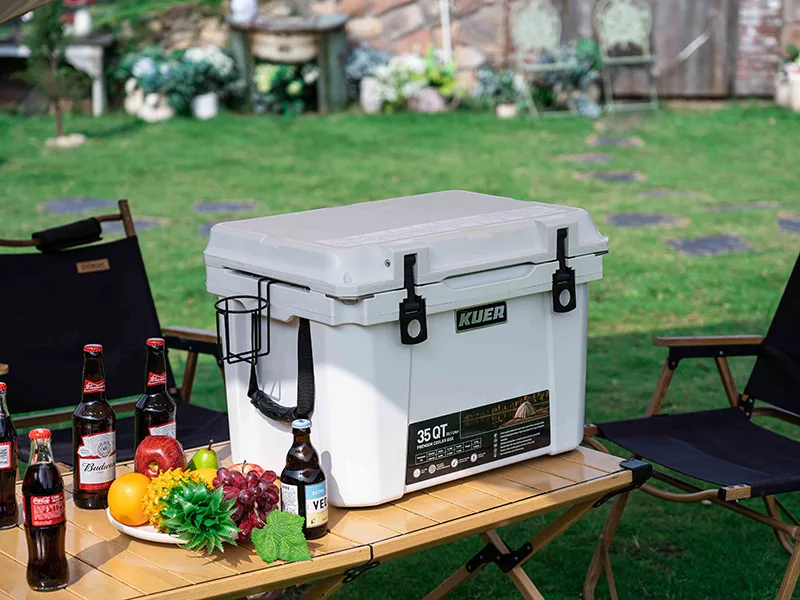
A special ice cooler with extra features, like the best ice box from KUER, can keep ice cold for a longer duration. The type of ice you use also matters. How you pack the custom ice chest is important, and the number of times you open the cooler can also impact how long the ice stays frozen.
Key Takeaways
-
Ice lasts longer in cooler temperatures. Below 32°F, ice can last over 48 hours, while above 90°F, it may melt in less than 12 hours.
-
Use block ice for longer-lasting cooling. Block ice melts slower than cubed ice, making it ideal for extended trips.
-
Pack your cooler tightly. Fill empty spaces with ice or towels to keep cold air inside and warm air out.
-
Keep the cooler in the shade. Sunlight can heat the cooler and cause ice to melt faster, so always store it in a shaded area.
-
Limit opening the cooler. Each time you open the lid, warm air enters, which speeds up ice melting.
Ice Retention Factors
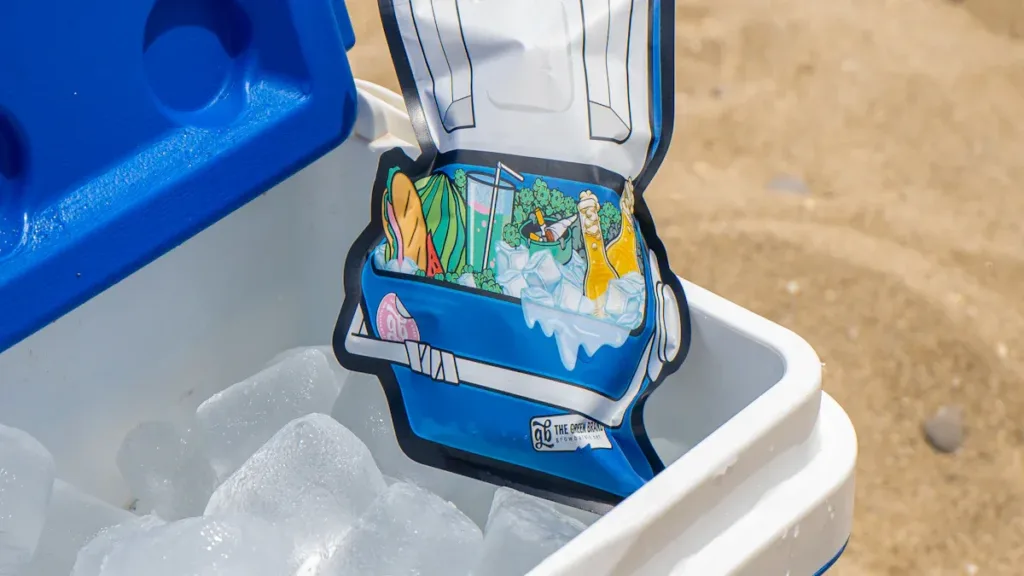
Ice Type: Blocks, Cubes, Dry Ice
The kind of ice you use changes how long it stays cold. Block ice melts slowly. It lasts longer than cubed ice. Cubed ice melts faster because it has more surface area. Dry ice keeps things cold for the longest time. People use dry ice for long trips or when food needs to stay frozen.
|
Type of Ice |
Melting Rate |
Duration of Ice Retention |
|---|---|---|
|
Block Ice |
Slow |
Longer |
|
Cubed Ice |
Fast |
Shorter |
|
Dry Ice |
Very Slow |
Much Longer |
Tip: Put block ice at the bottom. Place cubed ice on top. This helps keep things cold and makes ice last longer.
Cooler Insulation and Build
A cooler’s insulation and build matter for ice retention. Good coolers use thick foam to keep cold air inside. Materials like closed-cell spray foam and EPS stop heat from getting in. More insulation means ice lasts longer. Some coolers have strong hinges and latches to seal the lid tight. Non-slip feet help the cooler stay put on rough ground. UV-resistant coatings protect the cooler from sun damage. Rust-resistant hardware keeps the cooler working well in wet places.
-
Thick insulation helps keep cold air inside.
-
Strong hinges and latches make the cooler secure.
-
Non-slip feet keep the cooler steady.
-
UV-resistant coatings protect from sunlight.
-
Rust-resistant hardware stops damage from water.
|
Factor |
Description |
|---|---|
|
Ice Pack Arrangement |
Where ice packs are placed affects temperature and quality. |
|
Number of Ice Packs |
More ice packs on different sides help keep things cold. |
|
Insulation Properties |
The insulation layer affects how long ice stays frozen. |
Temperature and Sun Exposure
Temperature and sunlight change how long ice lasts. Hot weather makes ice melt faster. Sunlight heats up the cooler and shortens ice time. Putting the cooler in the shade helps ice last longer. Cooler materials also matter. Some films and coatings keep ice solid even after being in the sun.
|
Material Type |
Ice Integrity After 80 Min Sunlight Exposure |
Temperature Difference (°C) |
|---|---|---|
|
Hierarchically Designed CA Film |
~98% |
6.3 |
|
White Paper |
<50% |
N/A |
|
Al Film |
<50% |
N/A |
|
PET-Al-PE Film |
<50% |
N/A |
-
Pre-cool the cooler before you use it.
-
Keep the cooler in the shade with airflow.
-
Start with cold or frozen items to help the ice.
Usage Habits and Packing
How you use and pack your cooler changes ice retention. Opening the lid often lets warm air in. Cold air escapes when you open the lid. Packing the cooler tightly keeps cold air inside. Fill empty spaces with ice or towels to stop warm air pockets. Putting ice on top helps keep everything cold because cold air sinks. Grouping items with similar temperatures stops sudden changes inside the cooler.
|
Evidence Description |
Key Point |
|---|---|
|
Opening the lid often lets warm air in. |
Ice melts faster. |
|
Packing the cooler tightly keeps cold air inside. |
Ice lasts longer. |
|
Filling empty spaces with ice or towels stops warm air pockets. |
Ice stays cold longer. |
|
Putting ice on top helps keep things cold. |
Cold air sinks, warm air rises. |
|
Grouping similar-temperature items stops temperature changes. |
Cooling works better. |
-
Freeze ice packs solid at least a day before use.
-
Pre-cool the cooler before packing.
-
Layer dry ice, block ice, and cubed ice for best results.
-
Keep the lid closed as much as you can.
-
Store the cooler in the shade to help ice last.
Note: The food industry uses these packing tips to keep things cold during transport. The number of ice packs and how you arrange them matters for ice retention.
Ice Cooler Types Compared
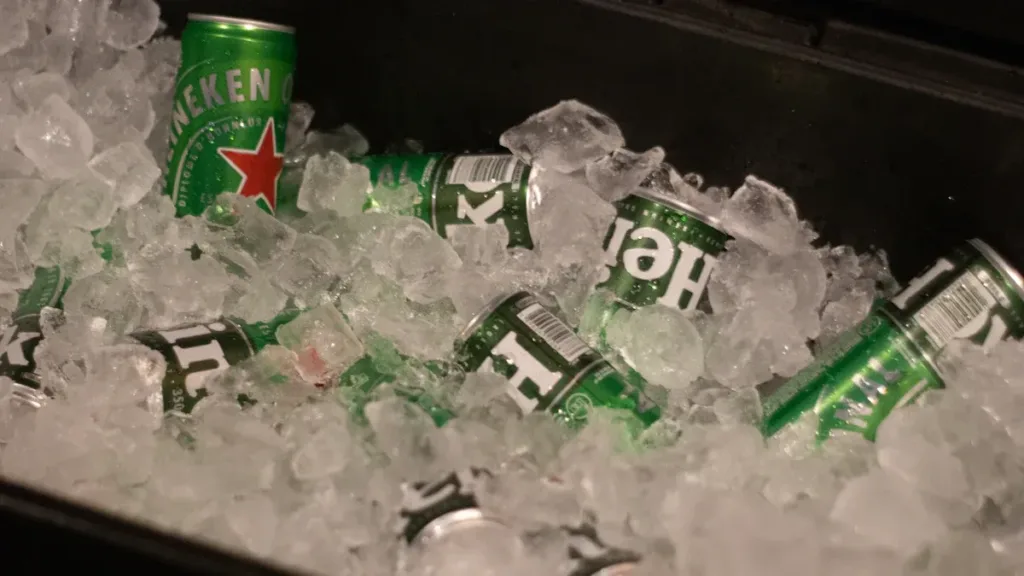
Styrofoam and Soft Coolers
Styrofoam coolers are light and cheap. They keep things cold for short trips. Ice melts fast in styrofoam coolers, usually in a few hours. The insulation is thin, so heat gets in easily.
A soft cooler is made from fabric and foam. It is easy to carry and fits in small spaces. Soft coolers keep ice for only 1 or 2 days. People use them for picnics or short outings. They are not good for long trips.
-
Soft coolers keep ice for 1-2 days.
-
Styrofoam coolers work best for short use.
Hard-Sided and Rotomolded Coolers
Hard coolers have thick plastic walls. They are strong and keep ice solid for days. Many hard coolers keep ice for up to 10 days. Their insulation is better than soft coolers. Hard coolers are big and heavy. They protect things from bumps and drops.
Rotomolded coolers are even tougher. They are made with a special process. This makes the cooler strong and stops leaks. Rotomolded coolers have strong corners and tight lids. These features help ice stay cold for more than a week.
|
Feature |
Contribution to Ice Retention |
|---|---|
|
Durable Materials |
Rotomolded plastic makes the cooler strong. |
|
High-Performance Insulation |
Thick polyurethane keeps the inside cold. |
|
Reinforced Corners |
Strong corners help keep cold air inside. |
KUER Custom Ice Chest Cooler
The KUER custom ice chest cooler is very strong. It uses rotomolding to make a tough shell. Thick insulation and tight seals keep ice cold for up to 7 days. Polyurethane foam fills the space between the walls. This helps keep things cold longer.
KUER coolers have strong latches and high-density polyethylene. These features protect the cooler from bumps and sunlight. The cooler is leak-proof and lasts a long time. KUER offers many choices for color, logos, and accessories. You can add ice packs or fishing rod holders. These features make the cooler great for outdoor trips and business use.
|
Feature |
Description |
|---|---|
|
Rotomolded Construction |
Tough design that handles rough use. |
|
Thick Insulation |
Keeps ice cold for up to 7 days. |
|
Tight Seals |
Keeps air and water out for better ice retention. |
|
Reinforced Latches |
Strong latches hold the lid tight. |
|
Polyurethane Foam Insulation |
Fills the walls and keeps things cold. |
|
High-Density Polyethylene |
Protects against bumps and sunlight. |
KUER’s custom ice chest cooler is strong, keeps ice cold for a long time, and lets you choose special features for any trip.
Tips for Keeping Ice Longer
Pre-Chill Your Ice Cooler
Pre-chilling your cooler helps ice last longer. If you start with a cold cooler, the ice does not have to cool it down. This lets the ice stay frozen for more time. It also keeps food and drinks cold. Experts say to fill the cooler with ice or frozen packs the night before your trip. Cold air inside helps keep the temperature low from the start. If you chill both the cooler and the things you put inside, ice will last longer.
Tip: Chill your food and drinks before putting them in the cooler. This helps keep everything cold for more time.
Use Ice Blocks and Frozen Jugs
The kind of ice you use matters for how long it stays cold. Block ice and frozen water jugs melt slower than loose ice cubes. They keep things cold for a longer time. The table below shows how fast different ice types melt and how well they cool:
|
Type of Ice |
Melting Rate |
Cooling Efficiency |
|---|---|---|
|
Block Ice |
Melts slowly because it is bigger |
Keeps things cold for a longer time |
|
Loose Ice Cubes |
Melts quickly because it is smaller |
Cools fast but does not last long |
Frozen juice or water jugs help stop messes because they do not leave loose water. Many people use both block ice and cubes for the best results. Blocks keep things cold for a long time. Cubes fill empty spaces and cool items quickly.
Pack Cooler Tightly
Packing your cooler full helps keep cold air inside. It also keeps warm air out. Empty spaces let warm air in and melt ice faster. Fill gaps with extra ice, towels, or crumpled newspaper to stop this. Experts say to use enough ice, pack the cooler full, and layer ice with food and drinks. The table below shows ways to help ice last longer:
|
Strategy |
Description |
|---|---|
|
Use enough ice |
More ice helps it last longer. |
|
Use the right ice type |
Block ice lasts longer than cubes or chips. |
|
Pack the cooler full |
A full cooler keeps cold better than one with gaps. |
|
Pre-chill your cooler |
Cooling the cooler first helps ice last longer. |
|
Start with cold items |
Cold things keep their temperature better. |
|
Keep out of sunlight |
Shade helps ice last longer. |
|
Open the cooler less |
Less warm air gets in, so ice melts slower. |
Remember: Put ice at the bottom, add cold items, and top with more ice for best results.
Limit Opening and Keep in Shade
Opening the cooler lets warm air in and cold air out. This makes ice melt faster. Keep the lid closed as much as you can to keep the cold inside. Put the cooler in the shade to protect it from the sun. Shade keeps the cooler cooler and helps ice last longer. You can cover the cooler with a towel or blanket for extra insulation.
-
Only open the cooler when you need to.
-
Store the cooler in the shade, like under a tree.
-
Use a light towel to reflect sunlight and add insulation.
Don’t Drain Meltwater Early
Some people think draining meltwater helps ice last longer, but that is not always true. Cold meltwater can help keep the cooler cold. It blocks warm air from moving around inside. Meltwater acts like a liquid ice pack. If the water is still cold and there is lots of ice left, leave the water in. If the meltwater gets warm, drain it to help save the ice.
Note: Drain the cooler only when the water feels warm or most of the ice is gone.
Add Ice Packs and Accessories
Ice packs are good for coolers. When frozen, they keep food cold for up to five days. Ice packs fit around food and drinks and fill empty spaces. This helps keep the temperature steady. KUER has accessories to help coolers work better. These include ice packs, baskets, and dividers. Other accessories like fishing rod holders and trolleys make trips easier and more fun.
-
Use ice packs to help keep things cold.
-
Try baskets to keep food dry and organized.
-
Pick accessories that work best for your trip.
If you follow these tips, you can keep ice longer and enjoy cold food and drinks on outdoor adventures.
Special Ice Types and Bonus Tips
Dry Ice Safety
Dry ice offers powerful cooling for long trips. It keeps items frozen much longer than regular ice. However, dry ice can be dangerous if not handled properly. Dry ice is solid carbon dioxide. It does not melt into water but turns into gas. People should never touch dry ice with bare hands. Always use gloves or a towel to move it. Dry ice can cause burns if it touches skin. Never store dry ice in a sealed cooler for a long time. The gas needs to escape, or pressure can build up. Always keep the cooler in a well-ventilated area. Children and pets should stay away from dry ice.
Tip: Place dry ice on top of items in the cooler. Cold air sinks, so this helps keep everything cold.
Layering Ice and Food
Layering ice and food in a cooler improves cooling and helps ice last longer. People often use block ice at the bottom of the cooler. Block ice melts slowly and keeps the base cold. Cubed ice goes on top. Cubed ice chills food and drinks quickly. This combination gives the best results for keeping things cold.
-
Block ice at the bottom lasts longer and keeps the cooler cold.
-
Cubed ice on top cools items quickly.
-
Layering both types of ice maximizes chill and ice retention.
Packing food and drinks between layers of ice ensures even cooling. This method works well for picnics, camping, and long road trips.
Using Rock Salt
Rock salt can help ice last longer in a cooler. When people add salt to ice, it lowers the freezing point of water. The ice melts and forms a brine solution. This brine stays liquid at lower temperatures than plain water. The cooler stays colder because the brine absorbs more heat before warming up. This trick helps keep food and drinks colder, even on hot days.
-
Salt lowers the freezing point of water.
-
Adding salt to ice creates a cold brine solution.
-
The brine keeps the cooler colder for a longer time.
People should use rock salt sparingly. Too much salt can make the brine too cold for some foods. Always check that food stays dry and safe inside the cooler.
Ice stays frozen for different times in each cooler. The best coolers can keep ice for up to 9 days. Put block ice in first to help things stay cold. Freeze your food before packing it in the cooler. Use containers to keep items cold longer. KUER coolers are special because they have good insulation. They are easy to carry and have many uses. To get the best results, use these tips:
|
Best Practice |
Description |
|---|---|
|
Cool Your Cooler |
Chill the cooler before you add ice and food. |
|
Ice to Contents Ratio |
Use two times more ice than food. |
|
Use Cold Ice |
Pick ice that is colder than freezing. |
|
Combination of Ice |
Use both block ice and cubed ice together. |
|
Don’t Drain Water |
Leave meltwater in to keep the ice cold. |
|
Keep in Shade |
Put the cooler where the sun does not shine on it. |
|
Keep Lid Closed |
Only open the lid when you need something. |
 Request a quote
