
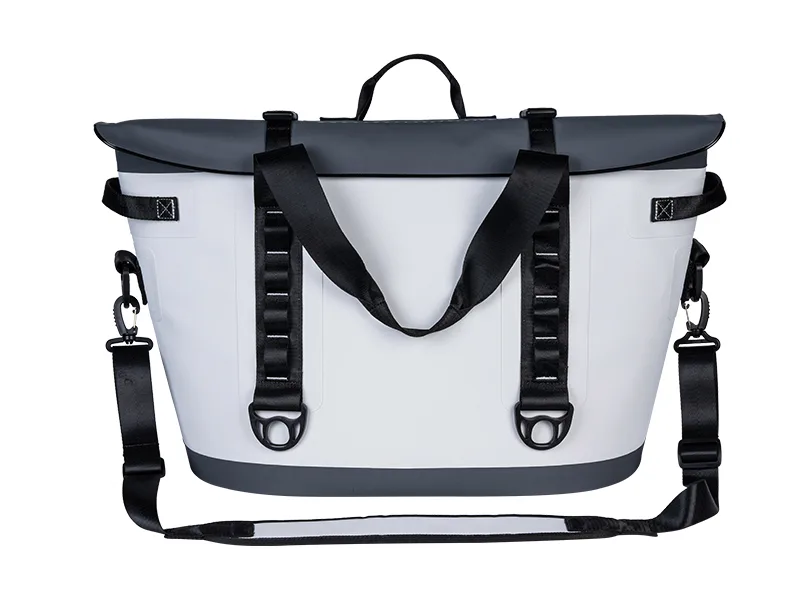
Food stays safe in an ice chest cooler for different lengths of time: raw meats last 1 to 2 days, dairy and eggs keep for about 1 to 2 days, while fruits and vegetables remain fresh for 2 to 3 days. Packaged items often last up to 5 days. Keeping food at or below 40°F prevents bacteria from multiplying quickly, which lowers the risk of foodborne illness. A portable ice chest cooler, such as the KUER custom ice chest, performs best when packed with block ice and food straight from the fridge or freezer. These steps help keep food safe during outdoor activities.
Key Takeaways
-
Keep food at 40°F or colder to stop bacteria from growing and keep it safe. – Use block ice because it stays cold longer than cubed ice. – Put raw meats at the bottom of the cooler so they do not touch other foods. – Do not open the cooler too much so the temperature stays the same. – Chill food and drinks before you pack them to help them stay cold longer.
Factors Affecting Food Storage
Cooler Temperature
The most important thing for food safety is the cooler’s temperature. Bacteria can grow fast if it is between 40°F and 140°F. If food stays at 40°F or colder, bacteria do not grow much. People can use a thermometer to check the cooler’s temperature. If the temperature is lower, like 35°F, some foods last twice as long as at 41°F.
|
Factor |
Description |
|---|---|
|
Temperature Management |
Using block ice instead of ice cubes keeps things cold longer. |
|
Food Density |
Packing food in reverse order saves space and helps you get what you need first. |
|
Container Type |
Wrapping the cooler with blankets or tarps helps keep it cold. |
Ice Type and Quantity
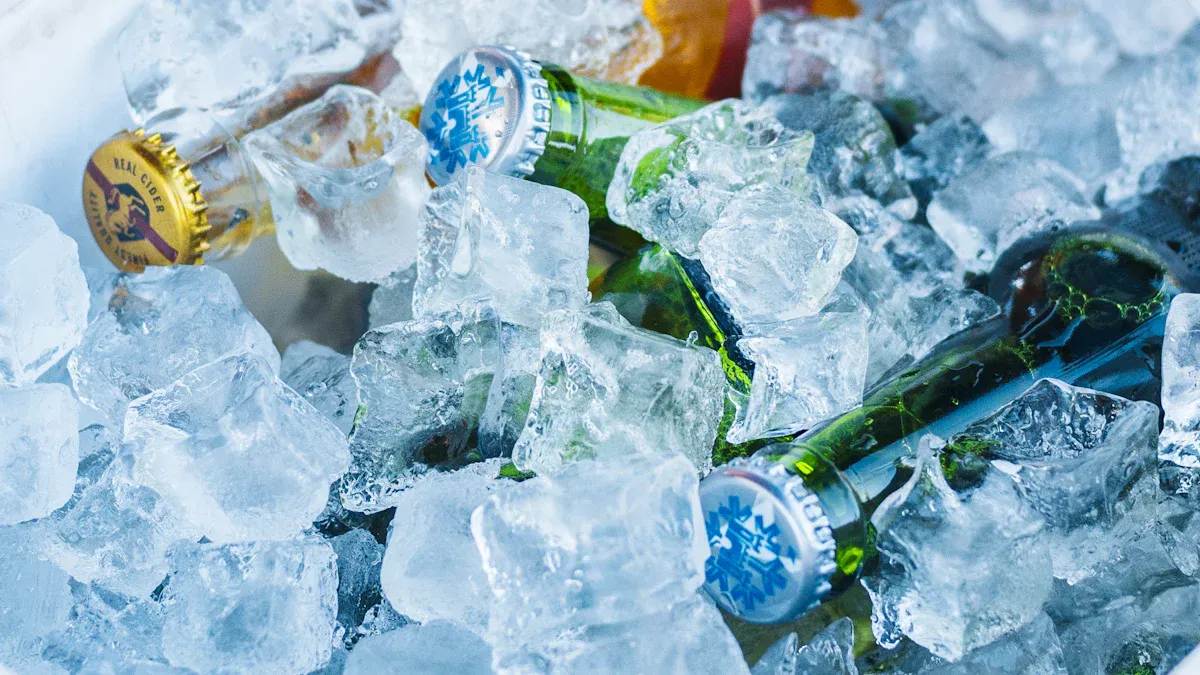
The kind and amount of ice in the cooler are important. Block ice melts slower than cubed ice, so it lasts longer. Tests show block ice stays solid for days, but cubed ice melts faster. People should use two times more ice than food and drinks. Using thick layers of ice or frozen bottles keeps food cold for a longer time.
Opening Frequency
Opening the cooler a lot lets warm air in and cold air out. This makes the temperature change and can make food unsafe. Only open the cooler when you really need to. When it is hot outside, do not leave food out for more than one hour.
Cooler Insulation
Good insulation keeps food cold for a longer time. The KUER custom ice chest uses special technology and thick foam. This makes the cooler strong and keeps air from leaking. These things help the cooler keep ice for up to 10 days. Special items like ice packs can also help keep things cold.
Outdoor Conditions
Hot weather, sunlight, and humidity make ice melt faster. Keep the cooler in the shade and off hot ground. Covering the cooler with blankets or tarps helps keep it cold inside.
Tip: Pack food close together and fill empty spots with ice or cold packs to keep the temperature steady.
How Long Can You Keep Food in a Portable Ice Chest Cooler
Raw Meats
Raw meats need careful handling in a portable ice chest cooler. The length of time depends on the type of meat and the temperature inside the cooler. If the cooler stays below 40°F, beef, pork, and lamb cuts can last up to 3 to 5 days. Chicken, turkey pieces, and ground meat should be used within 1 to 2 days. Packing meats at the bottom of the cooler helps keep them cold longer. The table below shows the recommended storage times for different meats:
|
Type of Meat |
Recommended Storage Time |
|---|---|
|
Beef roasts, steaks |
3-5 days |
|
Chicken or turkey, pieces |
1-2 days |
|
Ground meat or stew |
1-2 days |
|
Pork roasts, chops |
3-5 days |
|
Lamb, roasts or chops |
3-5 days |
Note: If the temperature inside the portable ice chest cooler rises above 40°F for more than 2 hours, throw the food away. In very hot weather above 90°F, discard after 1 hour.
Cooked Foods
Cooked foods stay safe in a portable ice chest cooler for a short time. If the temperature stays below 40°F, cooked foods can last up to 2 days. If the temperature goes above 40°F, cooked foods should not stay in the cooler for more than 2 hours. Always pack cooked foods in leak-proof containers to prevent cross-contamination.
-
Cooked foods last up to 2 days below 40°F.
-
Discard cooked foods after 2 hours above 40°F.
-
In hot weather, throw away after 1 hour above 90°F.
Dairy and Eggs
Dairy products and eggs need cold temperatures to stay safe. Milk and yogurt can last up to 7 days after opening if the portable ice chest cooler stays cold. Hard-boiled eggs can last for 1 week. Always keep dairy and eggs in the coldest part of the cooler. The table below shows safe storage times:
| Dairy products (milk, yogurt) | 7 days after opening | | Hard-boiled eggs | 1 week |
Tip: Store dairy and eggs in sealed containers to keep them fresh and prevent spills.
Fruits and Vegetables
Fruits and vegetables last longer than meats and dairy in a portable ice chest cooler. Most fruits and vegetables stay fresh for 2 to 3 days if kept cold. Leafy greens and cut fruits spoil faster, so use them first. Whole fruits like apples and oranges last longer. Keep fruits and vegetables in separate bags to avoid bruising.
-
Most fruits and vegetables: 2-3 days
-
Leafy greens and cut fruits: Use within 1-2 days
Packaged Items
Packaged items such as cheese sticks, juice boxes, and sealed snacks last the longest in a portable ice chest cooler. Many packaged foods stay safe for 5 to 7 days if the cooler stays cold and unopened. Always check the package for spoilage before eating.
Remember: The answer to “how long can you keep food” in a portable ice chest cooler depends on the type of food, the temperature, and how often the cooler is opened. Always use a thermometer to check the temperature and keep food below 40°F.
Tips for Keeping Food Cold
Pre-chill Food and Cooler
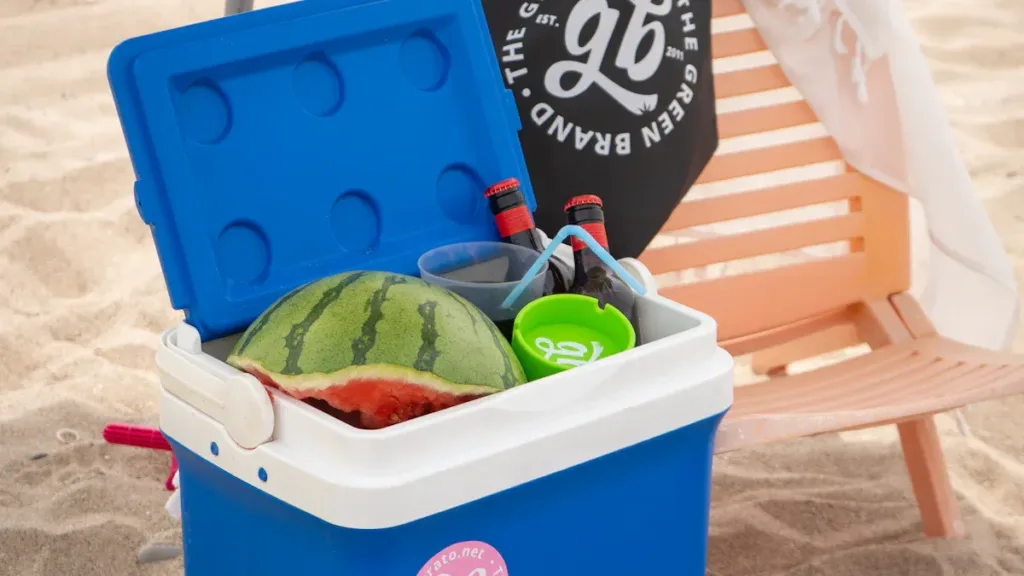
Pre-chilling helps keep food safe for longer. People can follow these steps for best results:
-
Fill the cooler with ice or frozen water bottles a few hours before packing the cooler. This lowers the inside temperature.
-
Freeze food items before packing. Cold or frozen food acts like extra ice packs.
-
Pre-chill all drinks and snacks in the refrigerator.
-
Use airtight containers to keep food fresh and prevent moisture.
Packing the cooler with cold or frozen food helps keep everything at a safe temperature. KUER’s custom ice chest cooler also offers specialized ice packs that fit perfectly inside, making pre-chilling even easier.
Use Block Ice
Block ice is more effective than ice cubes for keeping food cold. Its larger size and dense structure slow down melting. This means block ice keeps the cooler cold for a longer time, which helps protect perishable food.
People can make block ice at home by freezing water in large containers. KUER’s ice packs also work well as block ice and fit neatly in the cooler.
Organize Food
Packing the cooler in an organized way helps keep food safe. Here are some cooler packing tips:
-
Place block ice or frozen items at the bottom.
-
Put perishable food on top of the ice.
-
Group similar items together.
-
Fill empty spaces with ice packs to reduce air movement.
-
Store less perishable items on top.
This method keeps the coldest air near the most sensitive food. It also makes it easier to find what you need.
Limit Openings
Opening the cooler too often lets warm air in. People should only open the cooler when necessary. Using a separate cooler for drinks can help keep the main cooler cold. KUER’s rod holders and padlock plates make it easy to organize and secure the cooler, so food stays safe.
Store in Shade
Storing the cooler in the shade helps keep the inside cold. Sunlight can heat up the cooler and melt the ice faster. People should place the cooler under a tree, tent, or cover it with a tarp. The color of the cooler matters less in the shade, so focus on keeping it out of direct sunlight.
Tip: Customizing your KUER cooler with color and accessories can make it easier to spot and use during outdoor trips.
Preventing Contamination
Separate Raw and Cooked
It is important to keep raw and cooked foods apart. Raw meat can have bacteria that can get on other foods. Always wrap raw meat well and put it at the bottom of the cooler. This stops juices from leaking onto other things. Use different containers for raw and cooked foods to lower the risk of cross-contamination. Some people use two coolers—one for raw meat and one for cooked or ready-to-eat foods.
Tip: Do not use plates or utensils again after touching raw meat unless you wash them with soap and water.
Leak-proof Containers
Leak-proof containers help keep food safe in an ice chest. They stop spills and keep bacteria from spreading. Good containers use silicone or rubber gaskets to make tight seals. The table below lists important things about leak-proof containers:
|
Feature |
Description |
|---|---|
|
Sealing Mechanism |
Uses silicone or rubber gaskets for airtight and watertight barriers. |
|
Gasket Quality |
Good gaskets lower the chance of leaks. Thin or old gaskets may fail. |
|
Locking Mechanism |
Secure lids prevent spills during transport. |
|
Maintenance |
Check containers often to make sure they still work well. |
Check containers before each trip to make sure they close tightly.
Clean Hands and Tools
Clean hands and tools help stop germs from spreading. Wash your hands with soap for 20 seconds before touching food. Wash fruits and vegetables under running water. Use clean utensils and do not use tools again after touching raw meat unless you wash them first. Bring clean water for washing hands and tools to make outdoor cooking safer.
-
Wash hands often with soap and water.
-
Use different utensils for raw and cooked foods.
-
Wash fruits and vegetables before putting them in the cooler.
Monitor Temperature
Checking the temperature inside the cooler keeps food safe. Digital coolbox thermometers and fridge freezer thermometers give fast and correct readings. These tools often come with certificates to show they meet standards. Check the temperature often to keep it below 40°F. If it goes above this, bacteria can grow fast and you should throw the food away.
Note: Keeping a thermometer in the cooler helps everyone know when food is safe to eat.
Keeping food safe in a portable ice chest cooler means watching the temperature and how you pack things. Food should always stay at 40°F or colder. A good cooler like the KUER custom ice chest is made with strong materials and does not leak, so it keeps food safe.
Key takeaways for safe outdoor food storage:
-
Put cold or frozen foods in the cooler right from the fridge.
-
Keep raw meats away from foods that are ready to eat.
-
Fill the cooler all the way and use lots of ice packs.
-
Check the temperature often.
If food gets warmer than 40°F for over two hours, throw it away so no one gets sick.
|
Food Category |
Temperature Condition |
Action |
|---|---|---|
|
Meat, Poultry, Seafood |
Above 40°F > 2 Hours |
Discard |
|
Fruits |
Above 40°F > 2 Hours |
Discard |
These tips help everyone have safe and tasty meals when eating outside.

 Request a quote
