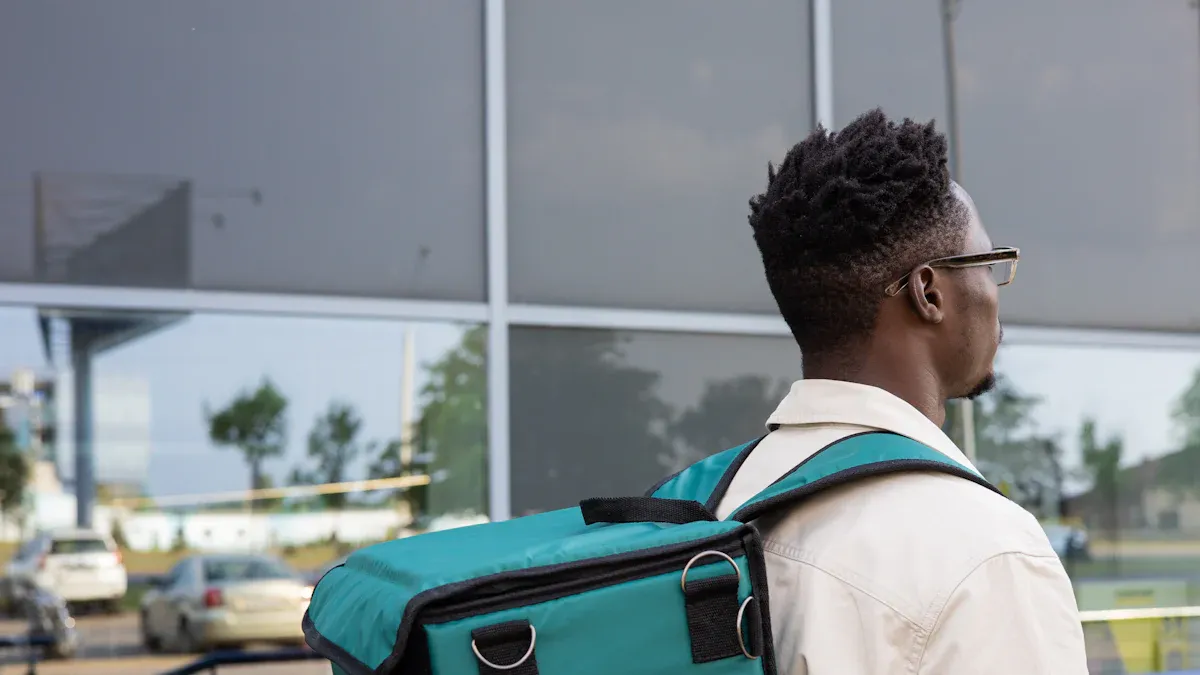

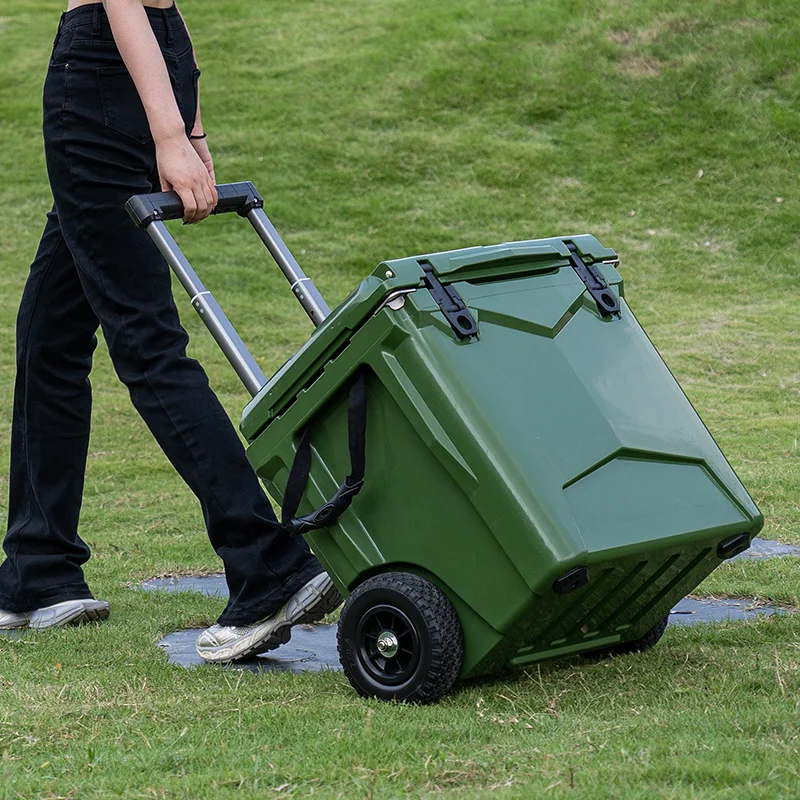
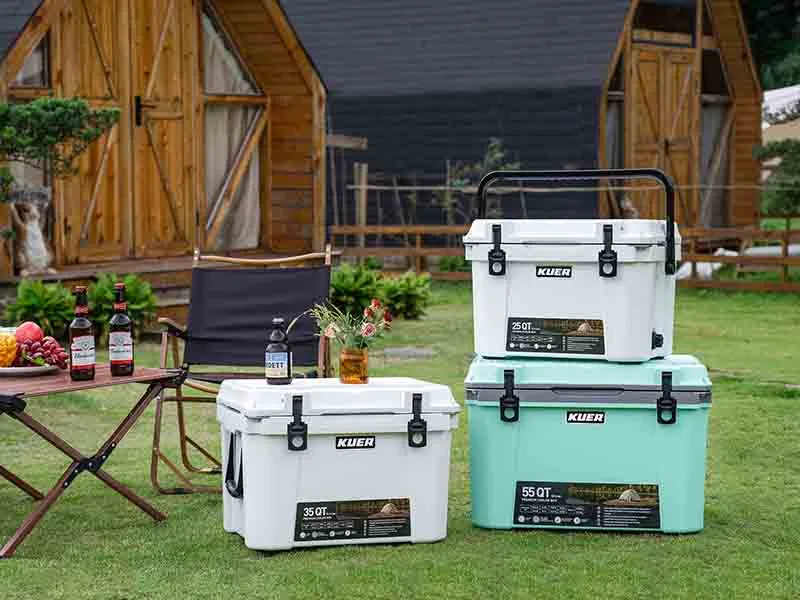
Fish can stay fresh in a cooler box for up to two days if the temperature stays below 40°F. People must keep fish cold to stop bacteria from growing. A cooler box with strong insulation helps protect fish from spoilage. The right cooler box keeps ice solid and maintains a safe temperature. Packing fish properly inside the cooler box makes a big difference. Many choose a cooler box with wheels for easy transport. The KUER cooler box offers excellent performance for keeping fish cold.
Key Takeaways
- Fish stays fresh in a cooler for up to two days if kept below 40°F. Use a thermometer to check the temperature regularly.
- Pack fish with plenty of ice. Use crushed ice for better coverage and keep ice on top and bottom of the fish.
- Choose a high-quality cooler for better ice retention. High-performance coolers can keep fish cold for 3 to 7 days.
- Check fish for signs of spoilage before eating. Look for bad smells, slimy texture, or color changes.
- Always add more ice if it melts. Keeping the cooler cold protects your health and keeps fish safe.
Cooler Box Temperature Guidelines
Safe Temperature Range for Fish
Fish stays fresh when it is cold enough. Experts say to keep fresh fish between 0°C and 2°C. Frozen fish should be at or below –18°C. The table below shows the best temperatures for different fish:
| Type of Fish | Recommended Storage Temperature |
|---|---|
| Fresh Fish | 0–2°C |
| Frozen Fish | ≤–18°C |
People need to use plenty of ice to keep fish fresh. Ice helps maintain a suitable temperature inside the refrigerator. If the refrigerator can hold the ice well, the fish can be kept for a longer time. Packing fish with enough ice can slow down spoilage and keep it fresh. Many people put ice at the bottom of the refrigerator, then put the fish in, and finally put some more ice on top. This way, the temperature can be kept low and even.
Tip: Use crushed ice for better coverage. Crushed ice goes around the fish and cools it faster than big blocks.
Why Temperature Control Matters
Temperature control is important because it stops bacteria from growing fast. Studies show that cold slows down bacteria. For example, one study found that storing fish at –1°C and –3°C stopped spoilage bacteria from growing. Another study showed that warmer temperatures made bacteria grow faster. This can make fish unsafe to eat.
| Study Title | Findings |
|---|---|
| Effects of storage temperature on bacterial growth rates and community structure in fresh retail sushi | Lower storage temperatures stop bacteria from growing, but higher temperatures make them grow faster. This means keeping fish cold is very important for safety and freshness. |
| Effects of different storage conditions on microbial community and quality changes of greater amberjack (Seriola dumerili) fillets | Storing fish at -1 °C and -3 °C stopped spoilage bacteria from growing. This shows that cold can keep fish good for longer and keep its quality. |
Different fish react to temperature changes in different ways. Some bacteria, like Pseudomonas, spoil fish fast if it gets warm. Other bacteria, like lactic acid bacteria, spoil fish more slowly. Keeping the cooler box full of ice and checking the ice helps stop these bacteria from growing.
- Keep seafood cold, close to 32°F.
- Put fresh fish on ice and wrap it in moisture-proof materials.
- Eat fresh fish within two days.
Fish can spoil fast if it is not cold. Good ice retention and packing help keep fish safe. People should check the ice and add more if needed to keep the temperature steady.
Ice Retention and Safe Storage Time
How Long Fish Stays Cold
Fish can stay cold and safe in a cooler for different lengths of time. The type of cooler and the amount of ice both play a big role. High-performance coolers keep fish cold longer than standard coolers. The table below shows how long different coolers can hold ice:
| Cooler Type | Average Ice Retention Time |
|---|---|
| Standard Coolers | 1–2 days |
| High-Performance Coolers | 3–7 days or longer |
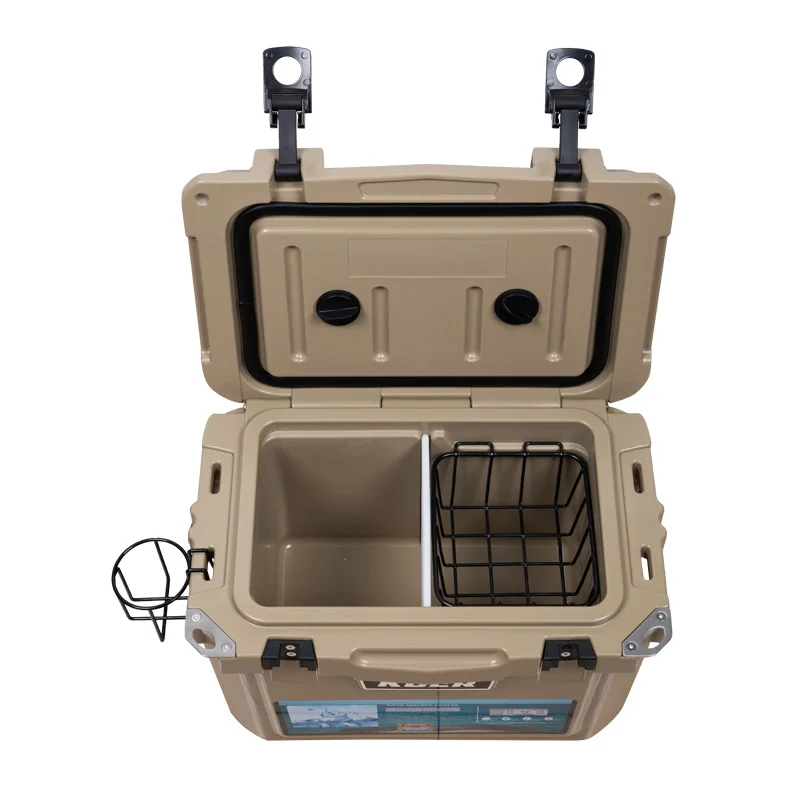
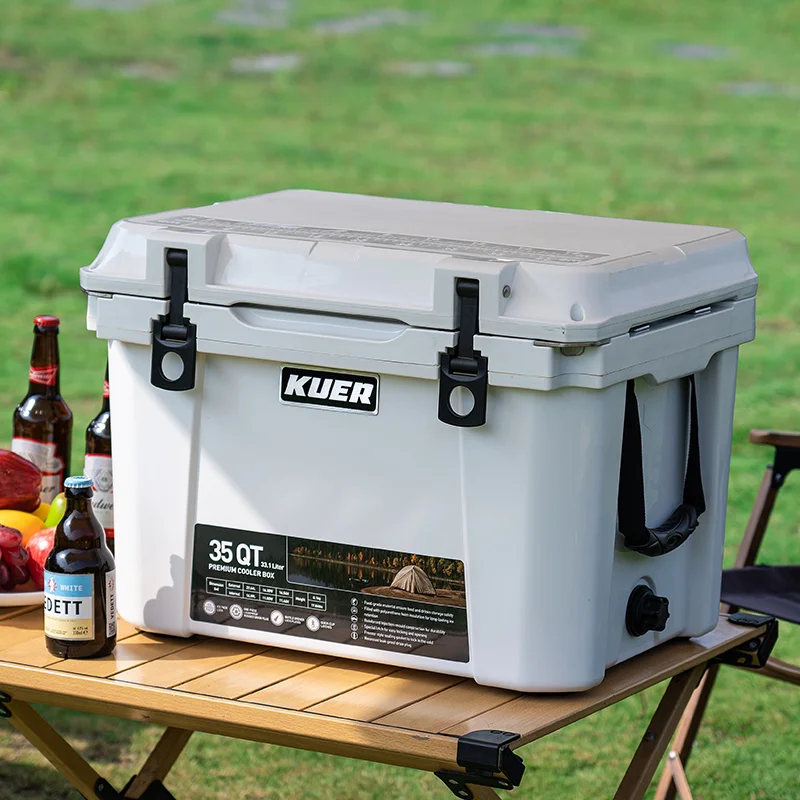
The KUER 110QT Rotomolded Hard Cooler B with Wheels stands out as a high-performance cooler. It can keep ice for 5 to 7 days. This means fish can stay cold and fresh for almost a week if the cooler stays closed and full of ice. The table below compares the KUER cooler to other types:
| Cooler Type | Ice Retention Duration |
|---|---|
| KUER 110QT Rotomolded Hard Cooler | 5 to 7 days |
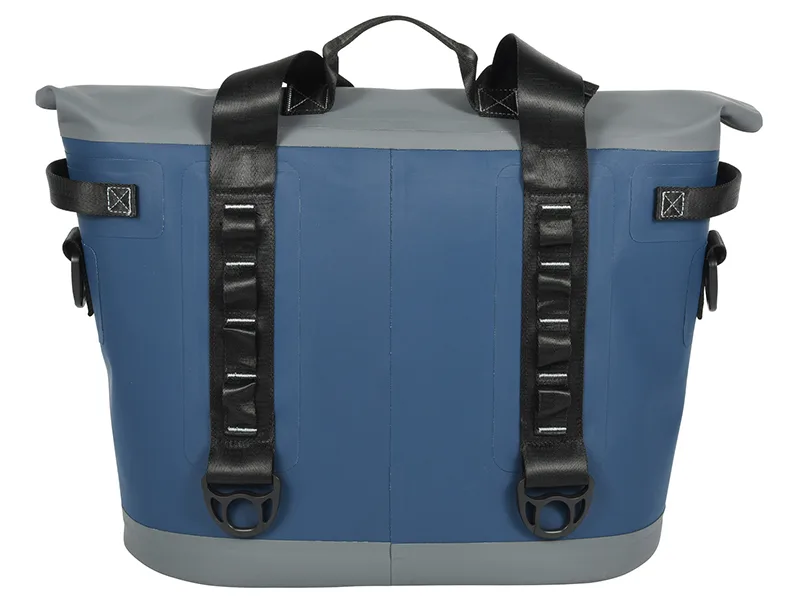
| Soft-sided Coolers | 12 to 36 hours |
| High-end Soft-sided Coolers | Up to 48 hours |
People can keep fish at a safe temperature for 24 to 72 hours with good ice management. Adding more ice when it melts helps keep the temperature low. Here are some tips for maximizing ice retention:
- Fill the cooler with as much ice as possible.
- Keep the cooler out of direct sunlight.
- Open the cooler only when needed.
- Use large blocks of ice with crushed ice for better coverage.
Tip: Place a thermometer inside the cooler to check the temperature. Fish should stay below 40°F for safety.
Risks of Exceeding Safe Time
Storing fish in the refrigerator for extended periods can be risky. As ice melts and temperatures rise, bacteria begin to grow. Studies have shown that fish stored for too long at unsafe temperatures will spoil. For example, tuna stored at 0°C for 18 days showed signs of fat breakdown. Sardines stored at 4°C for 15 days showed even more severe spoilage. These changes make the fish unsafe to eat.
Eating fish that has been stored in the refrigerator for too long can lead to food poisoning. Signs of spoilage include an off-odor, a slimy texture, or a change in color. Always check the condition of the fish before eating it. If the ice has melted or the fish feels warm to the touch, it’s best to discard it.
Note: Always add more ice if you see it melting. Keeping the cooler cold helps protect your health.
Factors Affecting Cooler Performance
Ice Type and Amount
The type and amount of ice used are crucial for keeping fish cold in a cool container. Both block ice and ice cubes work, but they work on different principles. Block ice melts slowly, thus keeping fish cold for longer. Ice cubes cool much faster but also melt much faster. Block ice should be crushed before use. If not crushed, only the top of the fish will cool, which won’t prevent spoilage. Crushed ice covers the fish better, but melts faster because more of it is exposed to warmer air. Experts recommend using twice the amount of ice as the fish. Two pounds of ice are needed per pound of fish. Using enough ice will keep the fish cold for longer.
Cooler Quality and Insulation
Cooler quality and insulation help keep things cold. Thick insulation means you do not need as much extra cooling. It also keeps the temperature steady. Rotomolded coolers have thick walls that are all the same. These coolers can hold ice for up to five days. The table below shows how rotomolded and standard coolers compare:
| Cooler Type | Temperature Retention | Ice Retention Duration |
|---|---|---|
| Rotomolded Coolers | Superior | Up to 5 days |
| Standard Coolers | Inferior | Varies |
Rotomolded coolers have a shell made from one piece. This makes them strong and helps them keep things cold for longer.
Outside Temperature
The temperature outside changes how well a cooler works. If it is hot outside, the cooler warms up faster. For example, if it is 107°F, the inside of the cooler might not get colder than 62°F. Hot weather makes ice melt faster and warms up what is inside. People should put their cooler in the shade to slow down melting.
- Coolers do not work as well when it is hot outside.
- More ice is needed when it is very hot.
Packing and Fish Prep
How you pack and prepare fish is crucial for maintaining a cool temperature. You should pre-cool your cooler before placing any items inside. Pre-cooling means cooling the cooler with ice before use. This helps extend the cooling time of the ice. You should also pre-cool the fish to inhibit bacterial growth. Layering helps maintain a cool temperature. Place ice at the bottom first, then heavier items, and finally lighter items. Using block ice or ice packs will keep the contents of the cooler dry and tidy. Proper packing ensures the freshness and safety of your fish.
Tip: Always make your cooler cold before using it and fill it with enough ice to cover everything. Pack your cooler tight to keep cold air in and keep fish fresh.
Signs Fish Is Unsafe
Visual and Smell Checks
People can spot unsafe fish by looking for changes in appearance and smell. Fresh fish should look bright and moist. Spoiled fish often show dullness or discoloration. The table below highlights common visual signs:
| Visual Sign | Description |
|---|---|
| Color | Look for dullness or discoloration. |
| Texture | Presence of slime, especially on edges. |
| Eye Clarity | Fish should have clear eyes; cloudy or milky eyes indicate spoilage. |
- Fish with milky or cloudy eyes are likely spoiled.
- Discoloration is a negative indicator of freshness.
Smell also gives important clues. Fresh fish should have a mild, clean scent. Spoiled fish often smell bad. As fish spoils, certain bacteria produce strong odors. These can smell like onion, cabbage, or even rotten eggs. Some bacteria make the fish smell like ammonia or give off a strong “fishy” odor. These smells mean the fish is no longer safe to eat.
Tip: If fish smells sour, putrid, or has a strong ammonia scent, it should not be eaten.
Texture and Color Changes
Changes in texture are a sign of spoilage in fish. Fresh fish is firm and springs back quickly when pressed. As fish spoils, enzymes break it down, making it soft and crumbly. This process is accelerated by higher temperatures in a refrigerated environment. Even with ice, fish will still spoil, albeit at a slower rate.
Studies show that fish stored in refrigerated seawater softens more easily than frozen fish. This means that storage conditions affect how quickly fish loses its firmness. If the fish feels very soft or easily falls apart, it has spoiled and should not be eaten.
Changes in color are also a warning sign of spoilage. Fresh fish has a bright, natural color. Spoiled fish may appear gray, brown, or faded. If the fish looks dull or has black spots, it should not be eaten.
Note: Always check for changes in texture and color before eating fish from a cooler. Safe fish should look bright, feel firm, and smell clean.
People can keep fish safe in a cooler by following these guidelines:
- Clean and chill fish within two hours.
- Store fish at or below 40°F for up to two days.
- Freeze fish for longer storage.
A high-quality cooler helps fish stay fresh longer. Fish stored in advanced coolers keep better texture and flavor. To maximize ice retention, use these tips:
| Tip | Benefit |
|---|---|
| Pre-chill the cooler | Lowers starting temperature |
| Use more ice than contents | Keeps fish cold for a longer time |
| Keep cooler shaded | Slows down ice melting |
People should always check the temperature inside the cooler and add ice as needed.
FAQ
How long can fish stay fresh in a cooler with ice?
Fish can stay fresh for up to two days if the cooler keeps the temperature below 40°F. High-quality coolers, like the KUER 110QT, can extend this time by keeping ice solid longer.
What is the best way to pack fish in a cooler?
People should use layers of ice above and below the fish. Crushed ice works best for full coverage. Packing fish tightly helps keep the temperature even.
Can you eat fish if the ice has melted?
No. If the ice melts and the fish feels warm, bacteria may have grown. People should check for bad smells or color changes. When in doubt, throw it out.
How often should you check the cooler temperature?
People should check the cooler temperature every few hours. A thermometer inside the cooler helps monitor safety. Add more ice if the temperature rises above 40°F.
Does the type of ice affect how long fish stays cold?
Yes. Block ice melts slowly and lasts longer. Crushed ice cools fish faster but melts quicker. Using both types together gives the best results.

 Request a quote
