

Many people find their sandwiches in their hard lunch cooler soaked with water or drinks spilled. To prevent leaks, they use leak-proof containers. They also put ice packs in sealed bags and keep the cooler upright. Keeping food fresh and dry is crucial. Clever packaging and ice packs can help keep food at a low temperature for longer. With these techniques, refrigeration time can be extended by 50%. KUER hard-shell lunch coolers effectively prevent leaks and help you organize your food better.
| Method | Freshness and Safety |
|---|---|
| Ice Packs and Gel Bags | 50% Increased Refrigeration Time |
| Pre-Cooling | Ensuring Food Safety |
| Clever Packaging | Helping Food Stay Cold |
| Maintenance and Wear | Works 15% less well after 100 uses |
Key Takeaways
- Use leak-proof containers to ensure food stays safe and dry. Choose containers with good seals to prevent liquid spills.
- Choose high-quality ice packs with welded seams. These insulated bags help maintain low temperatures and prevent leaks.
- Separate food and drinks into different coolers. This method prevents damp food from soaking dry food, thus keeping food fresh.
Why Lunch Coolers Leak
Common Leak Sources
There are many reasons why lunch coolers leak. Melting ice is one of the main causes. When ice melts into water, it seeps in through tiny cracks or seams. Loose lids can also cause leaks. If the lid isn’t tight, water or juice can leak out. Poor sealing of the cooler’s edges can cause water droplets to form. If the container tipes over, the food inside may spill out and mix with the melted ice.
Tip: Always check the cooler’s seal before packing food and ensure all containers are tightly closed.
Impact on Food Freshness
Leaks in a lunch cooler can spoil food and drinks. Melted ice water can soak sandwiches, making bread soggy. Fruits and snacks may lose their original texture and flavor. Melted ice mixed into drinks can dilute their taste. A damp environment promotes bacterial growth, leading to food safety issues. Leaking coolers also create a mess that’s difficult to clean. Keeping food dry helps preserve its freshness and safety. Preventing leaks protects the taste and quality of every meal.
How to Prevent Lunch Coolers Leaks
Use Leak-Proof Containers
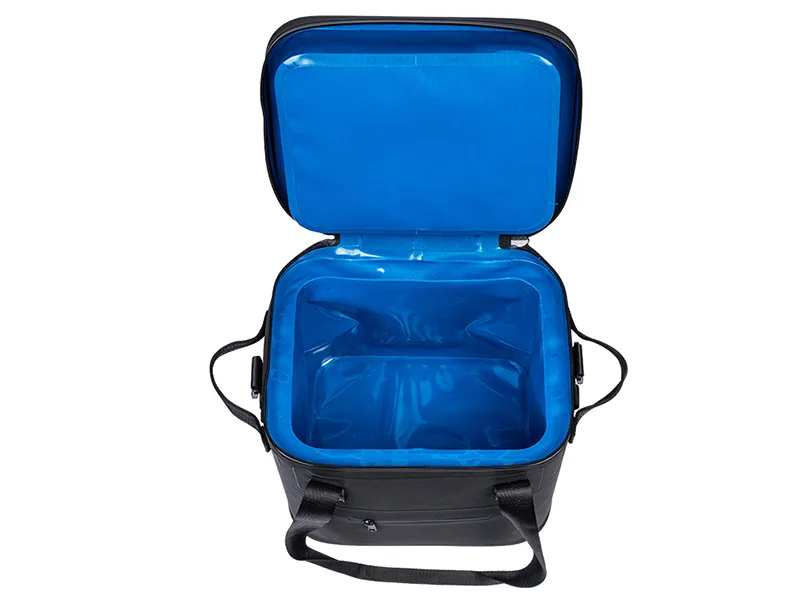
Choosing the right container can effectively prevent leaks. Containers with silicone gaskets or screw caps provide excellent seals, preventing liquids from seeping in. Many containers are made of glass or stainless steel. Glass doesn’t easily absorb odors, while stainless steel is durable. Some containers also come with vented lids or vacuum pumps to help control humidity and keep food fresh.
| Feature | Description |
|---|---|
| Seal Integrity | Silicone gaskets or locking mechanisms provide an all-around seal. |
| Material Type | Glass doesn’t absorb odors; stainless steel is durable. |
| Lid Design | Lids with vents and vacuum pumps help keep food dry. |
| Thermal Shock Resistance | Borosilicate glass can withstand rapid temperature changes and is therefore less prone to breakage. |
| Microwave Safety | Please check if plastic containers are safe to heat, as some plastics will decompose when heated. |
| Capacity and Shape | Rectangular containers save space; compartmentalized design keeps dry and wet foods separate. |
Sealed containers prevent leaks and ensure food safety. Food safety expert Dr. Lena Torres states:
“Even a tiny crack in the lid can allow bacteria to get in, causing food to spoil faster, especially at higher temperatures.”
Silicone sealing containers work well, but screw-top containers with strong sealing rings are best. The KUER hard-shell lunchbox features leak-proof sealing rings and compartmentalized design. These features help prevent leaks and keep food dry while you travel.
Choose Lunchbox Ice Packs
Lunchbox ice packs help prevent ice from melting and leaking. The best ice packs feature welded seams or pressure-sealed edges. These designs prevent water from seeping out as it melts. The thick outer shell, made of TPU or high-strength PVC, is durable and not easily broken. Some ice packs can keep food cold for up to 10 hours. BPA and phthalate-free materials make them safe for everyone.
| Feature | Description |
|---|---|
| Leak-proof | Welded or pressure-sealed seams prevent leakage. |
| Durability | The thick TPU or high-strength PVC outer shell is durable and not easily broken. |
| Coldness Time | Good quality ice packs can keep food cold for 4-6 hours, and some can even keep it cold for up to 10 hours. |
| Safe Materials | Choose ice packs that are BPA and phthalate-free, making them especially suitable for children. |
Lunchbox ice packs keep the refrigerator dry and help extend the time ice stays cold. People should not use loose ice, as it melts and leaks easily. Conversely, you can use ice packs in your lunchbox to keep food cool and prevent leaks.
Wrap and Separate Items
Wrapping and separating food inside the cooler helps prevent leaks and keeps food fresh. You can use cling film, aluminum foil, or reusable cling film to wrap sandwiches and snacks. Dividers or compartments can separate dry and wet foods. This prevents juices or melting ice packs from touching bread or cookies.
KUER hard-shell lunchboxes have leak-proof compartments. These compartments help organize food and prevent leakage between items. You can also use a small towel or paper towel to absorb excess moisture. This step helps keep the cooler clean and prevents ice from melting too quickly.
Tip: Always place heavier items at the bottom and lighter items on top. This prevents food from being crushed and helps extend the shelf life of ice.
By using leak-proof containers, choosing the right ice packs, and wrapping or separating food, you can prevent any cooler from leaking. KUER hard-shell lunchboxes’ leak-proof seals and sturdy lining provide extra protection. These measures ensure that food is safe, dry, and ready to eat at any time.
Pack a Lunch Coolers the Right Way
Layering and Organizing
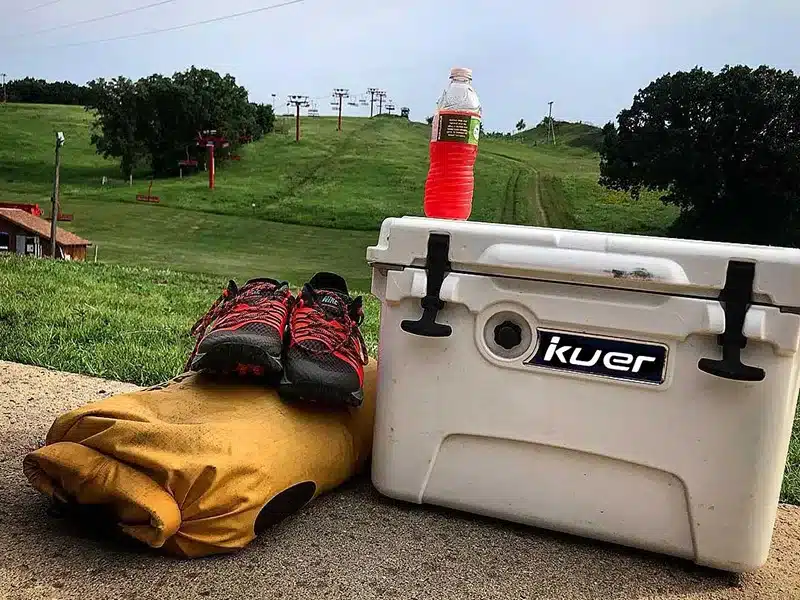
Layering is key to packing a cooler. People typically start by laying down a layer of ice or ice packs as the bottom. Meat and dairy products are placed at the bottom for the coldest environment. Next, ice and food are alternately layered, with crushed ice filling any gaps. Fragile items like fruit or sandwiches are placed on top to prevent them from being crushed. Wrapping frozen water bottles in cloth absorbs moisture from melting ice. Food containers or bags keep food dry, organized, prevent spills, and make it easy to access. Packing food in the reverse order of use helps people quickly find what they need.
Keep Cooler Upright
Keeping the cooler upright prevents pressure on the seams, reducing the risk of leakage. Proper storage helps maintain the integrity of the cooler. When the cooler is upright, liquids remain in the containers and compartments. Cooler packing works best when sealed. This helps maintain temperature and ensures food safety.
Use Closed Cell Foam or Liners
Closed-cell foam and PEVA liners provide extra protection. Closed-cell foam effectively traps cold air and reduces heat conduction. PEVA linings are safe, reliable, easy to clean, and leak-proof. The table below lists the advantages of these materials:
| Material Type | Benefits | Source |
|---|---|---|
| Closed Cell Foam | Locks in cold air, reduces heat conduction | Expert’s Guide |
| PEVA Lining | Safe, reliable, easy to clean, leak-proof | Expert’s Guide |
PEVA is PVC-free, odorless, and FDA-approved. It is tear-resistant and commonly used as a lining. KUER insulated boxes feature a robust and durable design with a smooth surface and removable compartments. Users can wipe the interior with a damp cloth or mild soapy water. A large-capacity leak-proof drain makes cleaning quick and easy. This design helps prevent leaks and keeps food fresh.
Managing Lunch Coolers Ice Packs
Sealing and Wrapping Ice Packs
Keeping ice packs sealed ensures better insulation of the lunch cooler. Many people choose to use BPA-free ice packs with welded seams for their lunch coolers. These ice packs have several advantages:
- BPA-free means food will not be contaminated by harmful chemicals.
- Welded seams make the ice packs more robust and durable, preventing leaks.
- They can keep food cold for 4-6 hours, preventing spoilage.
Wrapping each ice pack in a towel or reusable plastic wrap provides extra protection. This step absorbs water droplets and keeps the inside of the cooler dry. Using sealed ice packs prevents water from accumulating at the bottom and also prevents food containers from moving around inside the cooler. A dry cooler helps keep food fresh and delicious.
Alternatives to Loose Ice
Bulk ice melts quickly and can make the cooler messy. You can use frozen water bottles or ice packs instead. These methods also keep food cold and help prevent leaks. The table below compares these options:
| Item | Effectiveness | Cleanliness | Leak Prevention | Reusability |
|---|---|---|---|---|
| Frozen Water Bottles | High | High | Yes | Yes |
| Gel Packs | High | High | Yes | Yes |
| Loose Ice | Moderate | Low | No | No |
Frozen water bottles can be placed in the cooler and consumed after melting. Ice packs keep food cold for a long time without leaking. Both options ensure food safety. Using these options keeps the cooler clean and prevents food spoilage. This ensures that the person packing the cooler always gets fresh food.
Lunch Coolers Keep Food Fresh and Dry
Store in Shade
People often overlook where to store their coolers during the day. Direct sunlight quickly raises the temperature inside the cooler. When the cooler is exposed to sunlight, ice melts faster, and condensation builds up. This extra moisture can cause leaks and soggy food. Placing the cooler in a cool place helps keep food fresh for longer. A cool, shaded location protects the cooler from high temperatures, keeping the interior cool and dry. This simple step helps keep food fresh and reduces the risk of leaks. The KUER hard-shell lunch cooler boasts over 8,000 hours of UV protection. This means the cooler can withstand strong sunlight without damage, but it still performs best when stored in the shade.
Tip: Always find trees, tents, or buildings to provide shade from the sun. This helps ensure food safety and prevent leaks.
Check Seals and Drains
Before leaving home, people should check the cooler’s seals and drains. Tight seals prevent cold air from leaking out. Drains should be tightly closed to prevent spills. Clean seals and drains help keep food safe and fresh. The KUER hard-shell lunch cooler features leak-proof seals and a large-capacity drain that is easy to clean. These features help ensure food safety and prevent contamination. This cooler is FDA certified and meets stringent food safety standards. This protects food from contamination by harmful chemicals, ensuring food safety.
| Component | Typical Material | Role & FoodSafety Benefit |
|---|---|---|
| Outer Film | FDA-certified polyethylene or multilayer film | Prevents chemicals from seeping into food, complies with food contact regulations. |
| Freeze-Gel | Food-grade superabsorbent polymer | Long-lasting cold retention, free of any harmful chemicals; remains flexible after freezing. |
| Sealants & Adhesives | Food-grade hot melt adhesive | Ensures a leak-proof seal, preventing contamination. |
Using a well-sealed, safe insulated box helps keep food fresh and protects everyone’s health. Regular inspection and cleaning ensure the insulated box is always in optimal working condition.
Extra Tips for Leak-Free Trips
Divide Food and Drinks
Separating food and beverages into different insulated boxes helps keep food dry and safe. Many people use one insulated box for beverages and another for food. This method prevents leaks from wet items such as juice boxes or water bottles, which can soak sandwiches or snacks.
- Storing dry and wet items separately avoids chaos.
- Using waterproof bags or airtight containers for beverages reduces the risk of leakage.
- Line the inside of the cooler with towels or a waterproof liner to prevent liquids from spilling.
This method helps maintain the temperature inside each lunchbox. Dry food stays crisp, and drinks stay icy cold. People will find it easier to plan meals and ensure all food is safe.
Refresh Ice Packs
Ice packs lose their coldness after a few hours. People should replace the ice packs to maintain a safe temperature inside the lunchbox. Pre-chilling the lunchbox before packing enhances insulation and extends the life of the ice packs. Ice packs keep food cold so it stays safe and fresh.
Tip: Keep some spare ice packs in your freezer. They can be easily replaced in the cooler when needed.
Inspect for Leaks Before Use
Before each trip, people should check their lunchbox and cooler for leaks. Check the seals, lid, and drain plug. Make sure all parts fit tightly. A quick check helps ensure food safety and prevents spills.
Lunch boxes like the KUER Hard-sided Lunch Cooler, with their strong insulation and leak-proof seal, protect your food and drinks, giving you peace of mind while you travel.
Using a leak-proof container effectively prevents food from spilling. It is recommended to pack the cooler carefully and check the seal frequently. Using ice packs helps keep food dry. Regularly cleaning the cooler and packing it properly will keep your food fresh. The KUER Hard-sided Lunch Cooler is sturdy, durable, and leak-proof.
| Feature | KUER Hard Lunch Cooler | Other Brands |
|---|---|---|
| Leakproof Design | Yes | Varies |
| Food Freshness | Maintained | Not guaranteed |
| Durability | High | Moderate to Low |


 Request a quote
