

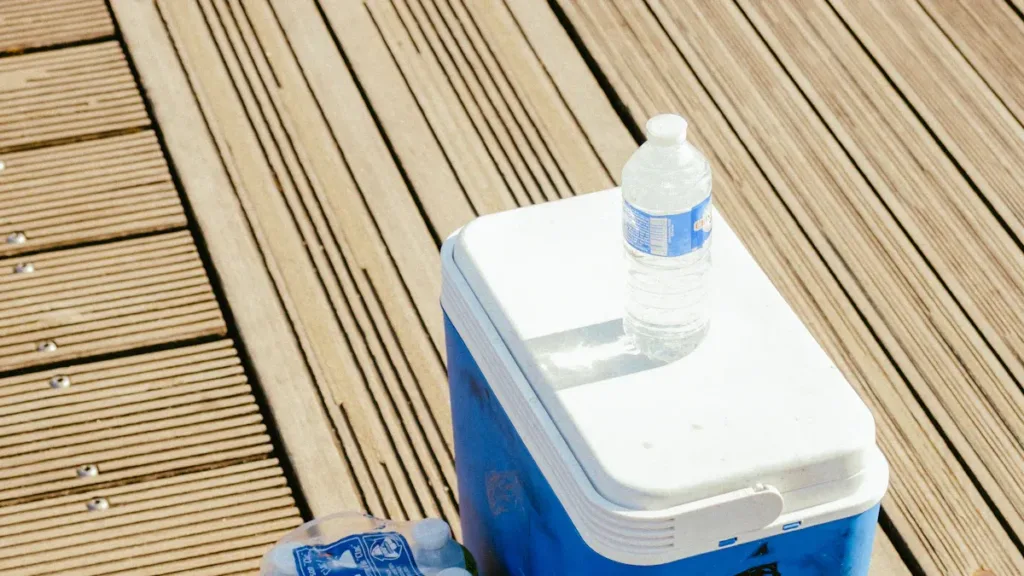
A custom soft cooler bag keeps things cold with insulation, tight seals, and ice packs. Insulation like foam and aluminum foil slows heat movement. Aluminum foil also reflects heat away. Sealed designs stop warm air from getting in, while also keeping cold air from leaving. Ice packs take in heat, helping to keep things cold for longer. KUER custom soft coolers use special materials that enhance the cooler’s ability to stay cold longer. People often choose small portable cooler bag or larger options, using them to maintain the temperature of their items while traveling.
|
Material/Method |
Function |
|---|---|
|
Foam Insulation |
Holds air and slows down heat movement |
|
Aluminum Foil |
Sends heat away and keeps heat out |
|
Sealed Design |
Stops warm air from getting inside |
|
Ice Packs |
Take in heat and help keep things cold longer |
Key Takeaways
-
Custom soft cooler bags have insulation, tight seals, and ice packs. These things help keep items cold.
-
If you chill the cooler bag before use, it works better. Dense ice blocks also help ice last longer.
-
Picking the right size and shape for your cooler bag is important. This helps keep things cold for more time.
-
Clean your cooler bag often and store it the right way. This makes the cooler bag last longer and work well.
-
Food-safe liners keep food and drinks safe. They protect from harmful chemicals.
How custom soft coolers work
Insulation and materials
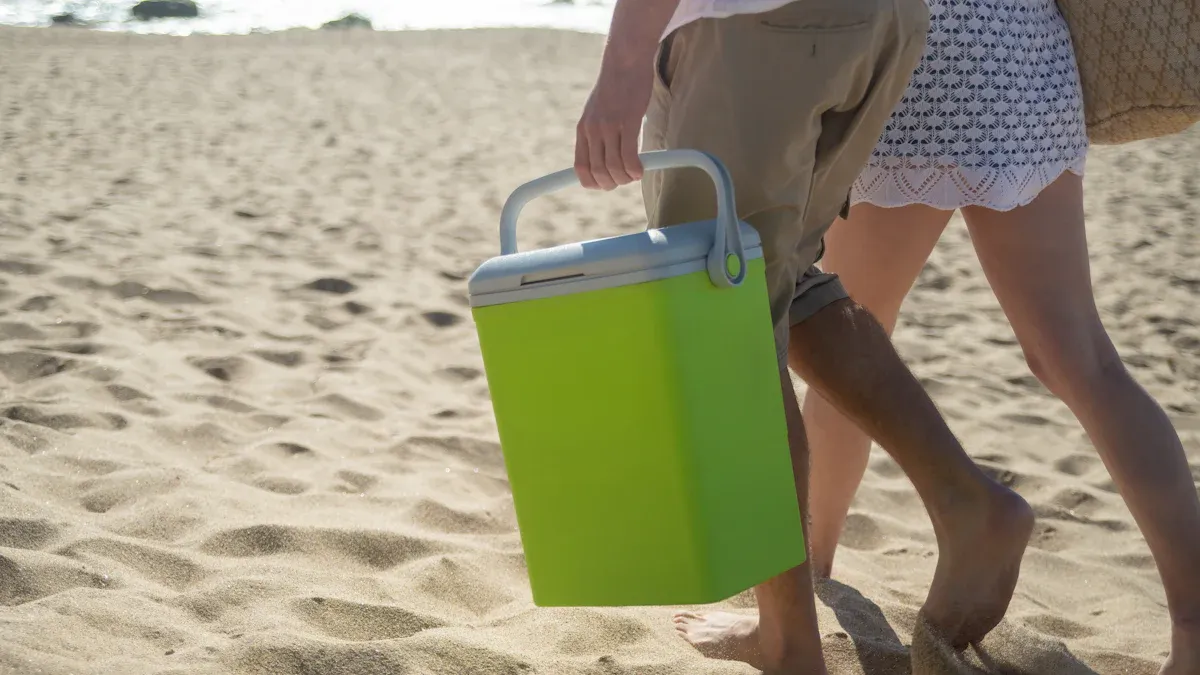
Custom soft coolers use insulation to keep things cold. Insulation blocks heat from getting inside the cooler bag. Most cooler bags have foam or layers that trap cold air. KUER custom soft coolers use 840 nylon and TPU. These materials make a strong shield against heat. The insulation inside soft coolers can be different. Good insulation helps ice last longer.
Thicker insulation works better to keep cold air inside. The type and thickness of insulation matter a lot. The table below shows how insulation materials compare:
|
Type |
R-Value/in |
Sustainability Score (1–10) |
|---|---|---|
|
Soy-Based PU Foam |
1.4 |
7 |
|
Cork Composite |
1.2 |
8 |
Custom soft coolers often have walls with insulation that is 8 to 20mm thick. These walls help stop heat from moving in. Soft coolers with sides that fold may have insulation only 3 to 5mm thick. Thin insulation can get squished and not work as well. Side panels help keep cold air inside the cooler bag.
|
Insulation Type |
Thickness Range |
Effect on Ice Retention |
|---|---|---|
|
Rigid/Semi-Rigid Walls |
8–20mm |
Greatly slow down heat transfer. |
|
Soft Collapsible Bags |
3–5mm |
Can get squished, so they do not insulate well. |
|
Structured Side Panels |
N/A |
Help keep cold air pockets inside. |
Custom soft coolers use special insulation to keep food and drinks cold. KUER uses layers to make cooling work better. Good insulation keeps things cold and helps ice last longer.
Sealing and waterproof design
A cooler bag needs a strong seal to keep cold air inside. Custom soft coolers use sealing systems to protect what is inside. KUER soft coolers have welded seams and roll-top closures. These features make a tight seal. This stops air leaks and keeps things cold.
Waterproofing is important for cooler bags. KUER coolers have a TPU coating that makes them waterproof. This means the cooler bag can handle rain and splashes. It can even go in water for a short time. Waterproofing keeps ice from leaking out. It also keeps food dry.
-
The TPU coating makes the cooler bag good for wet places.
-
Welded seams and roll-top seals keep water out and cold air in.
-
The cooler bag protects food from rain and splashes.
-
Good insulation and waterproofing help keep things cold for hours.
Cooler bags with strong seals and waterproofing work well outdoors. KUER’s design helps keep food and drinks cold in tough places.
Food-safe liners and safety
It is important to keep food safe in a cooler bag. KUER custom soft coolers use food-safe liners. These liners protect food and drinks from bad chemicals. Some cooler bags use materials that are not safe for food. This can cause health problems.
-
Liners that are not food-safe, like trash bags, may have harmful stuff.
-
Chemicals from these liners can get into food and make people sick.
-
Food-grade liners stop contamination and keep food safe.
Custom soft coolers with food-safe liners help people feel safe. KUER’s cooler bags meet safety rules. Users know their food and drinks will stay fresh and safe. The liner also makes cleaning easy. This helps keep the cooler bag clean after each use.
Custom soft coolers use insulation, sealing, waterproofing, and food-safe liners to keep things cold and safe. KUER’s cooler bags use smart materials and design to work well for every trip.
Key features for ice retention
Multi-layer insulation
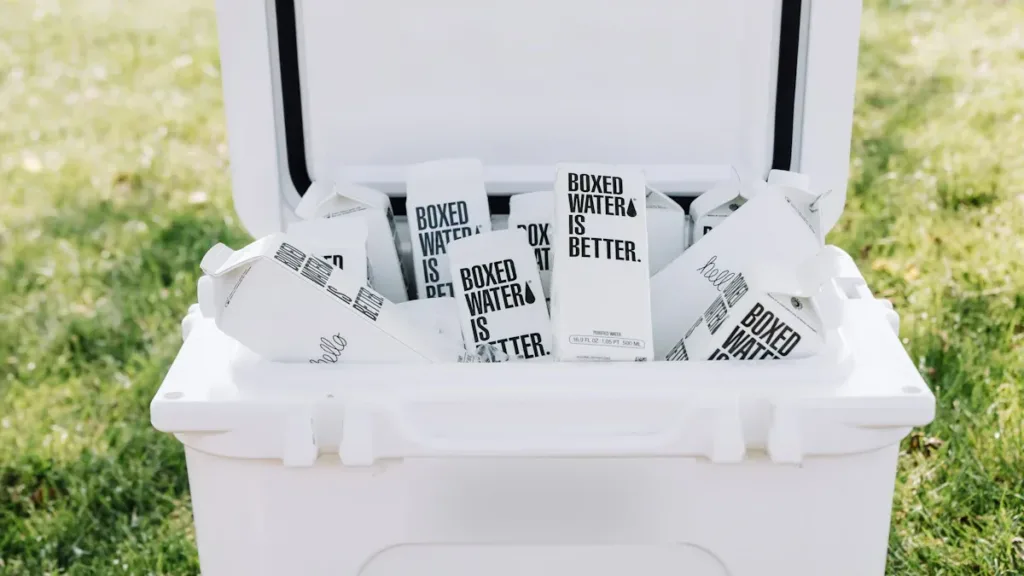
Multi-layer insulation is very important for keeping things cold. Each layer helps trap cold air inside the cooler bag. The layers also block heat from getting in. Good insulation slows down how fast heat gets inside. This helps ice last longer. Closed-cell foam with thick walls keeps ice from melting fast. Reflective liners bounce heat away and make insulation better. KUER custom soft coolers use many layers, like 840 nylon and TPU, to keep things cold and help ice last longer.
Tip: If the R-value is higher, ice melts slower in the cooler bag.
|
Insulation Material |
R-value per inch |
Ice Retention Performance |
|---|---|---|
|
Closed-cell PU foam |
R 6.0 |
High |
|
EPE foam |
R 3.6 – 4.2 |
Moderate |
|
Reflective liners |
Increases R-value |
Enhances performance |
A cooler bag with 8 mm EPE foam and aluminum foil can keep ice packs under 10 °C for more than six hours. Cooler bags with better insulation can keep things cold for days.
Bag size and shape impact
The size and shape of a cooler bag change how long ice lasts. Small cooler bags have less empty space. This keeps cold air close to your food and drinks. Big cooler bags are good for groups but need more ice to stay cold. Square or rectangle shapes let you stack ice packs and food tightly. This helps keep things cold longer. KUER has cooler bags in many sizes so people can pick what they need.
-
Small cooler bags are light and keep cold air near your items.
-
Large cooler bags hold more but need extra ice to work well.
-
Wide openings make it easy to pack and unpack.
Customization options
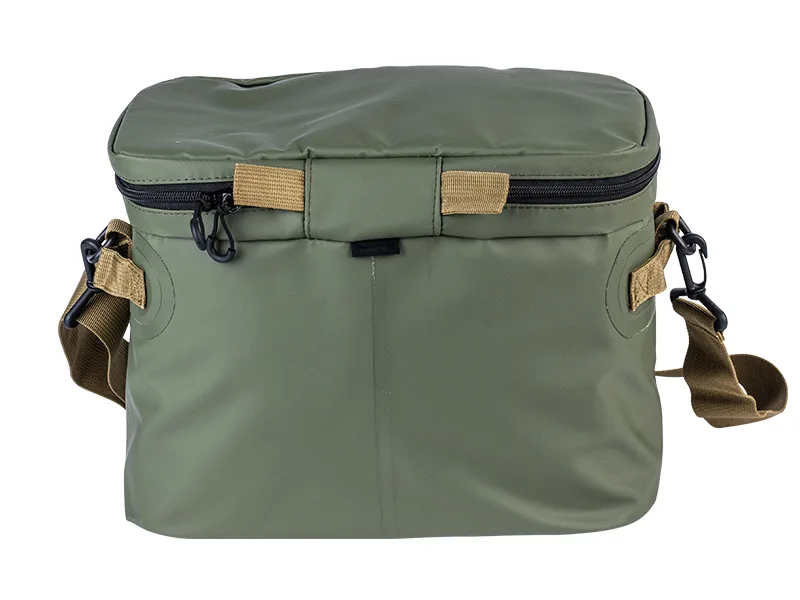
Customization lets people pick what works best for them. KUER lets you choose the size, color, and even add a logo. Some people want more insulation for long trips. Others need waterproofing for outdoor use. Custom straps and double carry ribbons make the bag easier to carry. Businesses can put their logos on cooler bags for gifts or events. Custom features help keep ice longer and make the bag more useful.
Note: Picking the right size and insulation helps keep ice from melting and keeps food safe.
A cooler bag with good insulation, the right size, and custom features will keep ice longer and make trips easier.
Maximizing cooling efficiency
Pre-chilling the cooler bag
To maximize cooling efficiency, users should always pre chill your cooler bag before packing. This step helps lock the cold in and gives the ultimate cooling experience. People can prechill your cooler by filling it with ice for several hours or overnight. Pre-cooling your cooler also means chilling food and drinks before placing them inside. Cold items help keep a cooler cold longer. Packing the cooler bag tightly leaves less room for warm air, which slows down ice melting.
|
Pre-Chilling Effect |
Duration Extension |
|---|---|
|
Yes |
30 minutes to 1 hour |
|
No |
N/A |
Tip: Always keep the cooler bag out of direct sunlight to keep a cooler cold for longer.
Choosing ice or gel packs
Selecting the right cooling source boosts cooling efficiency. Ice packs absorb more heat than gel packs because they change from solid to liquid. This makes ice packs very effective for keeping a cooler cold. Gel packs, however, maintain a stable temperature near 0°C (32°F) for longer periods. They work well for steady cooling during transport. Some users prefer ice packs for quick cooling, while others choose gel packs for longer trips. Both options help insulation work better inside the cooler bag.
-
Ice packs: Absorb more heat, cool quickly, melt faster.
-
Gel packs: Hold temperature longer, melt slower, good for long trips.
Packing and storage tips
Packing the cooler bag the right way increases cooling efficiency. Experts recommend a 2-to-1 ice-to-content ratio for the best results. That means using twice as much ice as food and drinks. Layering helps too. Start with ice at the bottom, add pre-chilled items, then cover with more ice. Always keep a cooler cold by storing it in the shade. Open the cooler bag only when needed. Each time someone opens it, cold air escapes and warm air enters, which makes ice melt faster.
-
Fill all empty spaces with ice or cold packs.
-
Keep the cooler bag closed as much as possible.
-
Store the cooler bag in a cool, shaded area.
Note: Following these steps helps keep a cooler cold for hours and improves cooling efficiency every time.
Maintaining your cooler bag
Cleaning and care
Cleaning your cooler bag often keeps it fresh and ready. Most companies say to wipe the cooler bag every day or after each use. This stops stains, bad smells, and mold from forming. You will need mild soap, warm water, a soft cloth, and a towel. First, take out crumbs and wipe the inside with soapy water. Baking soda can help clean tough spots. Use a damp cloth to gently clean the outside. Dry the cooler bag with a towel, then let it air dry all the way. This keeps bacteria and mold from growing. Clean up spills right away to stop damage. Always read and follow the cleaning steps from the company.
|
Cleaning Step |
Purpose |
|---|---|
|
Wipe interior |
Remove crumbs and bacteria |
|
Scrub stains |
Prevent odor and mold |
|
Dry thoroughly |
Stop moisture buildup |
Storage and longevity
Storing your cooler bag the right way helps it last longer. Make sure the cooler bag is totally dry before you put it away. Leave the lid or zipper a little open so air can move inside. This stops bad smells from building up. Keep the cooler bag in a cool, dry place to stop mold and mildew. A place with good air flow keeps the bag fresh between uses. Put the cooler bag off the floor to keep it away from damp spots. After cleaning, leave the lid open for a few hours so any water can dry out.
Tip: Letting air move inside the cooler bag stops bad smells and helps the insulation work better.
Common mistakes to avoid
Some mistakes can make your cooler bag not work as well. Not taking care of it can make it lose its cooling power. Using loose ice instead of ice packs makes more water and can cause mold. Very hot or cold weather can hurt the bag and its insulation. Packing too much inside stops air from moving and makes cooling worse. Put things in order and place ice packs in smart spots to keep things cold. Do not stuff the cooler bag too full. Packing the right way keeps food and drinks cold longer.
-
Clean the cooler bag often.
-
Dry the cooler bag before you store it.
-
Do not overpack so air can move.
-
Use ice packs, not loose ice.
-
Keep the cooler bag safe from heat and cold.
A cooler bag that is well cared for works well and keeps food safe on every trip.
Custom soft coolers like KUER keep things cold by using smart design and strong materials. A cooler bag works best when users follow simple steps. Thick foam insulation and quality liners help a cooler bag block heat. People see better ice retention when they pre-chill the cooler bag and use dense ice blocks. Many users say their cooler bag keeps ice for days, even in sunlight. The table below shows how a cooler bag performs in real life.
|
Evidence Type |
Description |
|---|---|
|
Ice Retention Testing |
Users reported that coolers maintained ice for up to four days, even in direct sunlight, showcasing their effectiveness in keeping items cold. |
|
Durability Tests |
Testimonials indicate that users have successfully used the coolers in rugged conditions, such as dragging them across rocky trails and using them as seats, proving their robust construction. |
|
User Feedback |
A recent review highlighted a user’s satisfaction with the cooler’s insulation and weight, emphasizing its value compared to premium brands. |
A cooler bag lasts longer when people keep it out of the sun, avoid heat, clean it after use, store it with the drain plug removed, and prop the lid open. These tips help a cooler bag stay strong and keep food safe. By using these steps, anyone can get the most from their cooler bag and enjoy cold drinks and snacks on every trip. A cooler bag from KUER gives great value and helps brands stand out.
-
Thick foam insulation creates a barrier against heat, enhancing ice retention in a cooler bag.
-
Closed-cell spray foam prevents heat transfer, making a cooler bag more effective.
-
A well-designed gasket and lid minimize air exchange, keeping the cooler bag cold.
-
Pre-chilling and using dense ice blocks improve ice retention in a cooler bag.
-
Keep the cooler bag out of the sun.
-
Avoid heat sources near the cooler bag.
-
Clean the cooler bag after each use.
-
Store the cooler bag with the drain plug removed.
-
Prop the lid open for airflow in the cooler bag.
A cooler bag works best with good care and smart packing. KUER custom soft coolers show how design and proper use keep things cold for longer.

 Request a quote
