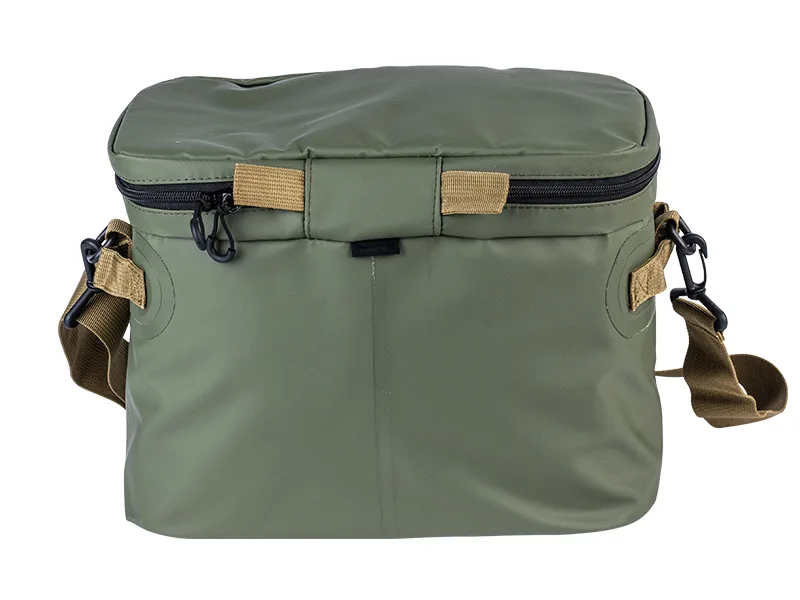

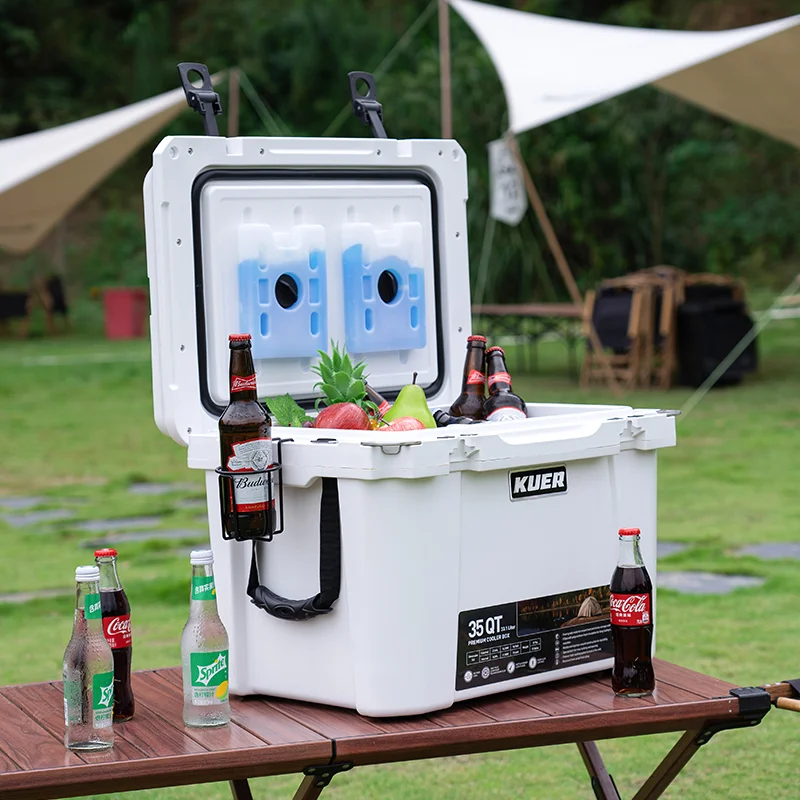
Many outdoor enthusiasts ask whether soft-sided and hard-sided coolers perform equally well. Hard-sided coolers generally keep ice cold for longer and protect food and drinks from impacts. Soft-sided coolers are lighter and easier to carry. A market survey shows that 60% of people still choose hard-sided coolers. However, nearly 40% of backpackers prefer lightweight coolers. The table below lists the main differences between the two:
| Feature | Hard-Sided Coolers | Soft-Sided Coolers |
|---|---|---|
| Durability | Strong and hard to break | Bendable and simple to carry |
| Cooling Performance | Keeps ice cold for a long time | Keeps ice cold for less time |
| Portability | Heavy, sometimes have wheels | Light and simple to move |
Soft-sided coolers are suitable for short trips or casual gatherings. Hard-sided coolers are more suitable for long trips or group travel.
Key Takeaways
- Soft-sided coolers are lightweight and portable. They are ideal for short trips, such as picnics or watching sporting events. Hard-shell coolers keep ice from melting for longer, keeping food and drinks cold for days, making them ideal for camping or large gatherings. Soft-shell coolers are suitable for everyday use and easy to store, folding up to fit in small spaces. If you want a durable cooler, a hard-shell cooler is recommended; they are sturdy and durable, providing better protection for your belongings. Consider your needs. Soft-shell coolers are cheaper and easier to carry. Hard-shell coolers keep items cold for longer on long trips.
Soft Coolers vs.Hard Coolers Ice Retention and Cooling Power

Hard-Sided Cooler Performance
Hard-shell coolers offer excellent cooling performance. Tests show that coolers like the YETI Tundra Haul can keep ice frozen for up to a day. This means hard-shell coolers can keep temperatures low even outdoors. The KUER 110QT Wheeled Rotomolded Hard-Shell Cooler Type B can keep items cold for 5 to 7 days. This is very useful for long camping trips or large group events.
Hard-sided insulated boxes have thick walls and lids. These thick components help prevent heat from entering and slow down the melting of ice. The table below shows the cooling time of different insulated boxes:
| Cooler Type | Average Cold Retention Time (hours) | Standard Deviation (hours) |
|---|---|---|
| Injection Molded | 38.62 | ± 8.53 |
| PS Foam | 54.32 | ± 19.33 |
| Rotomolded | 63.72 | ± 13.56 |
Rotomolded insulated boxes, such as the KUER 110QT, have the longest cooling time. They maintain good cooling even in hot outdoor conditions. Their robust construction and thick insulation can keep food fresh for days. People who frequently travel long distances outdoors often choose hard-sided insulated boxes.
Soft Coolers and Ice Life
Soft-sided insulated boxes are easy to carry and lightweight. However, they do not keep food cold as long as hard-sided insulated boxes. Tests show that soft-pack coolers like the RTIC Soft Pack Cooler cannot keep drinks cold for a full day. The internal temperature can reach a maximum of 39.9 degrees Fahrenheit (about 4 degrees Celsius). While this temperature is still sufficient to keep drinks cold, it’s not as long-lasting as a hard-pack cooler.
Soft-pack coolers are made of flexible materials with thinner walls. This makes them lightweight and easy to move. However, it also means that cold air dissipates more quickly. The table below lists the cooling times for some coolers:
| Cooler Model | Ice Retention |
|---|---|
| RTIC Soft Pack 30 Can | 2 days |
| Yeti, Orca, RovR (hard) | 1 week or longer |
Most soft-pack coolers only keep drinks cold for a few hours to two days. They are best suited for short trips, picnics, or sporting events. Some soft-pack coolers offer better insulation, but still not as good as hard-pack coolers.
Tip: For short trips, soft-sided insulated boxes are easy to carry and can also keep food cool to some extent. For long trips, hard-sided insulated boxes are better suited for keeping ice and food at low temperatures.
Soft Coolers vs.Hard Coolers Durability and Protection
Hard-Sided Cooler Strength
Hard-shell insulated boxes are sturdy and durable, effectively protecting food. They are made of durable materials, resulting in a long service life. The table below lists the functions of various materials:
| Material | Contribution to Strength and Insulation |
|---|---|
| High-Density Polyethylene (HDPE) | Highly impact-resistant, effectively blocks sunlight, and easy to shape. |
| Polypropylene and ABS Plastics | Lightweight, chemically resistant, making the box more robust. |
| Polyurethane Foam (PU) | nsulates, helping to extend the cooling time of ice. |
| Silicone or Rubber Seals | Prevents air from entering or escaping, maintaining a low temperature. |
Rotationally Molded Insulated Boxes are manufactured using a special process. Resin powder is poured into a heated, rotating mold to form thick, undamaged walls. These boxes can withstand outdoor drops and impacts. The KUER 110QT Rotationally Molded Hard-Shell Insulated Box B (with wheels) uses this process. It features thick walls and a robust outer shell. This helps the box remain sturdy, keeping food cold even in harsh outdoor environments. Campers or those traveling in groups prefer rotomolded coolers because they are durable and effectively protect food.
Note: Rotomolded coolers are less prone to cracking or leaking. Their robust construction makes them ideal for outdoor travel.
Soft-Sided Cooler Durability
Soft-sided coolers use flexible fabric and lightweight components. They are easy to carry and pack. However, their protective performance is not as good as hard-sided coolers. After a period of time, soft-sided coolers may wear down, especially with frequent use.
Soft-sided coolers may suffer the following damage:
- The lining may tear at the seams and leak.
- Even high-quality materials may not last long with frequent use.
Soft-sided coolers are suitable for short trips and gentle use. They can protect food from sunlight and keep it cold for a period of time. However, if dropped, they may leak or break. Soft-sided coolers are ideal for those who need a cooler for daily or short trips because they are lightweight and easy to use.
Tip: If your cooler might be dropped or thrown, choose a hard-shell cooler for better protection.
Soft Coolers vs.Hard Coolers Portability and Convenience
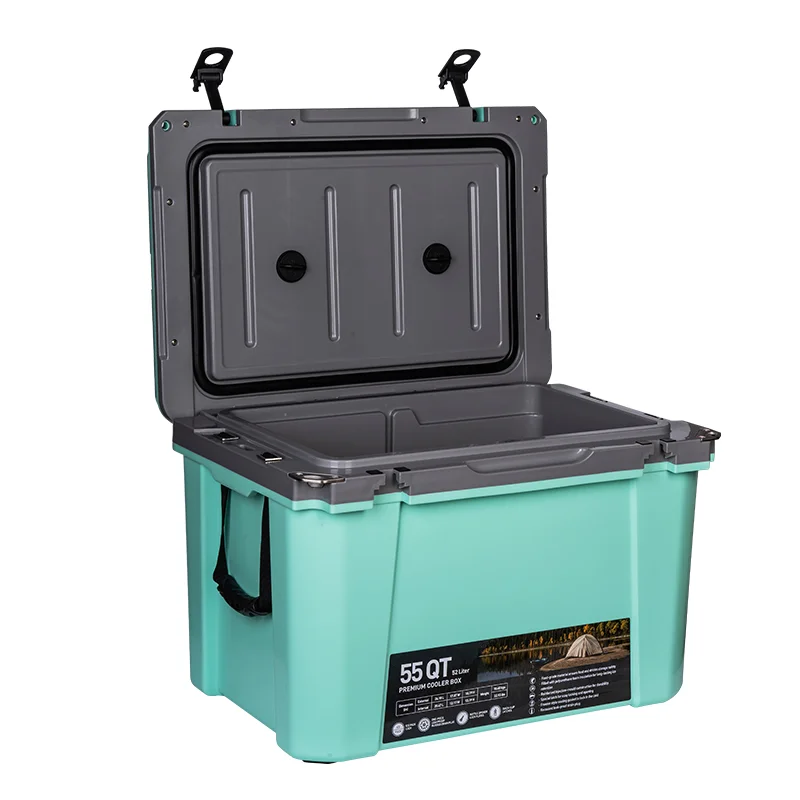
Carrying Soft Coolers
Soft-shell coolers are lightweight and easy to use. Most empty ones weigh only 2 to 5 pounds (approximately 0.9 to 2.3 kg). This makes them ideal for hiking, picnics, or short trips. Their flexible shape allows them to fit into tight spaces. You can put them in the trunk of a car or in a cramped campervan. The table below shows the differences between soft-shell and hard-shell coolers in terms of size and storage:
| Cooler Type | Size | Portability | Storage Flexibility |
|---|---|---|---|
| Soft Coolers | Smaller | More portable | Fits in various spaces |
| Hard Coolers | Larger | Less portable | Takes up more space |
Many soft-shell coolers have features for easy carrying. Some come with an adjustable shoulder strap. Others come with padded shoulder straps or large carrying handles. These designs make carrying heavy items easier. Some coolers feature foam back panels and chest straps for added comfort. Reinforced webbing handles and detachable shoulder straps offer even more carrying options. You can carry the cooler by hand, shoulder, or sling it across your shoulder.
Tip: Soft-sided coolers are easy to store and can be placed in confined spaces. Their flexible shape is ideal for users with limited storage space.
Moving Hard-Sided Coolers
Hard-sided coolers are larger and heavier than soft-sided coolers. Many people need a vehicle to move fully loaded coolers. New hard-sided coolers are equipped with sturdy handles and wheels. These designs make it easy to move coolers in parking lots, fields, or beaches. Wheels allow you to easily roll heavy coolers across uneven surfaces. Sturdy handles make it easy to lift and carry the cooler.
- Wheels and handles make moving large coolers easier.
- You can roll the heavy cooler on a variety of surfaces.
- The sturdy handle helps you keep it upright during transport.
Those who need to carry food and drinks on group trips or long journeys will choose a hard-sided insulated cooler with wheels. This makes it much easier to move, even when fully loaded.
Best Uses for Soft Coolers vs.Hard Coolers
Camping and Outdoor Trips
Campers typically choose hard-shell coolers. Hard-shell coolers keep food cold for extended periods and offer ample internal space. Experts say the Otterbox Venture 25 is ideal for camping, keeping ice frozen for up to five days. Its sturdy handle makes it easy to carry, and thick insulation helps keep food cold and fresh.
The KUER 110QT is perfect for camping with friends. It can hold multiple servings of food and drinks, and its robust construction keeps food cold for extended periods, making it ideal for long trips. Campers who need to keep food cold for several days will choose hard-shell coolers. Hard-shell coolers are durable and keep food cold for longer.
Note: Hard-shell coolers are best suited for camping, fishing, and outdoor gatherings. They keep ice cold for longer and protect your food.
Day Trips and Sports Events
Soft-shell coolers are suitable for short trips. Many people use soft-shell coolers for picnics or watching sporting events. Soft-shell coolers are lightweight and portable, fitting easily into a car or backpack. When not in use, they can be folded flat to save space.
A survey shows which coolers people prefer for short trips and sports:
| Cooler Name | Type | Price |
|---|---|---|
| Yeti Tundra 65 Cooler | Best Overall | $375 |
| Igloo Retro Picnic Basket Cooler | Best Budget | $84 |
| Yeti Tundra Haul Cooler | Best Wheeled | $450 |
| RTIC Insulated Soft Cooler Bag | Best Soft | $129 |
| RTIC Backpack Soft Cooler | Best Backpack | $315 |
| Engel HD30 Cooler Bag | Best Portable | $200 |
| Polar Bear Coolers Original Nylon Soft Cooler | Best for Quick Meals | $40 |
| BrüMate 55-Quart Rolling Cooler | Best for Parties | $425 |
| Yeti Rambler Beverage Bucket | Best Bucket | $150 |
Soft coolers work well for short trips:
| Feature | Description |
|---|---|
| Portability | Light and easy to carry with a strap |
| Waterproof Design | Keeps things dry in wet places |
| Compact Size | Packs flat to save space |
| Cooling Capacity | Holds ice for one day or a bit more |
- Pros:
- Lightweight and easy to carry
- Waterproof fabric keeps items safe
- Compact and portable for short trips
- Affordable, ideal for beginners
Soft-sided coolers are popular with people who enjoy going to sporting events or taking short trips. They are easy to use and carry.
Soft Coolers vs.Hard Coolers Value and Cost
Price Comparison
Most people check prices before buying a cooler. Soft-sided coolers are generally cheaper than hard-sided coolers. The table below lists the prices for various types of coolers:
| Cooler Type | Price Range |
|---|---|
| Hard-sided Coolers | $220 – $400 |
| Soft Coolers | Starting at $100 |
Soft-shell coolers are less expensive and suitable for families and students. Hard-shell coolers are more expensive because they use thicker materials and offer better insulation. Many people choose soft-shell coolers for short trips or everyday use to save money.
Long-Term Value
Long-term value refers to the total cost you incur over time. Soft-sided coolers have lower maintenance costs. You can repair small cracks or leaks without buying a new one. Hard-sided coolers may need to be replaced if they develop cracks or breakage. The table below shows the costs over five years:
| Cooler Type | Maintenance Costs | Replacement Costs | Total Costs Over 5 Years |
|---|---|---|---|
| Soft Coolers | Lower (partial repairs possible) | Lower (can be repaired) | Reduced overall costs |
| Hard Coolers | Higher (full replacement needed) | Higher (full replacement) | Increased overall costs |
Many people choose soft-sided coolers for the following reasons:
- Portability: Shoulder straps and handles make them easy to carry.
- Storage Convenience: Foldable for easy storage.
- Insulation Performance: Some coolers can keep drinks cold for up to 72 hours.
- Value for Money: Lower price, saving you money.
- Easy to Clean: The lining can be wiped clean quickly.
- Versatile Use: The lightweight design is suitable for camping, road trips, and many other occasions.
People who need a multi-functional cooler usually choose a soft-sided cooler. Hard-sided coolers are better suited for long trips and group travel, but are more expensive in the long run.
Tip: For families looking to save money and need a cooler for short trips, a soft-sided cooler might be a good choice.
Soft-sided coolers are lightweight and portable, making them ideal for short trips. Hard-sided coolers keep food cold for longer, are more durable, and are suitable for long trips. The table below lists the main differences:
| Feature | Soft-Sided Coolers | Hard-Sided Coolers |
|---|---|---|
| Insulation | Good for several hours | Keeps ice for several days |
| Durability | Flexible, everyday use | Withstands tough conditions |
| Best Uses | Day trips, hiking, tailgating | Camping, large gatherings |
- Soft-sided coolers are suitable for short trips and are easy to carry.
- Hard-sided coolers are better suited for long trips, especially for group gatherings.
Tip: Put the food in the cooler first, then add ice. Placing the insulated box in a cool place will yield better results.
FAQ
How long do flexible insulated boxes keep food cold?
Most flexible insulated boxes can keep food cold for up to 24 hours. Some high-quality models can even keep food cold for up to 48 hours. For best results, users should add plenty of ice.
Can rigid insulated boxes be used for air travel?
Yes, passengers often use rigid insulated boxes as checked baggage. Airlines may have size and weight restrictions. Always check the airline’s regulations before packing.
How to clean an insulated box?
The insulated box should be emptied and wiped with mild soapy water. For stubborn stains, a mixture of baking soda and water can be used. Make sure the insulated box is completely dry.
Are flexible insulated boxes waterproof?
Many flexible insulated boxes use waterproof materials. However, some insulated boxes may leak when tipped over. Users should check the waterproofing instructions on the product label.
Do the wheels on rigid insulated boxes help with carrying heavy items?
Wheels can greatly reduce the difficulty of moving heavy-duty rigid insulated boxes. They can help users move the boxes more easily on sandy, grassy, or gravelly roads.
 Request a quote
