

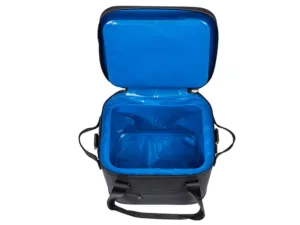
You may ask if insulated lunch boxes really keep food safe and fresh. Food safety is important to lots of people.
- 55% of people are concerned about keeping food at the right temperature and safe in lunch boxes.
- You keep your meals from going bad by picking the right lunch box for school or trips outside.
Key Takeaways
- Insulated lunch boxes keep food safe and fresh for hours. Choose a high-quality box to ensure your meals stay at the right temperature.
- Pre-chill or pre-heat your lunch box before packing. This simple step helps maintain the temperature of your food longer.
- Use ice packs effectively by placing them around your food. This creates a cold environment and keeps your meals fresh.
How insulated lunch boxes keep food fresh
Insulation materials and design
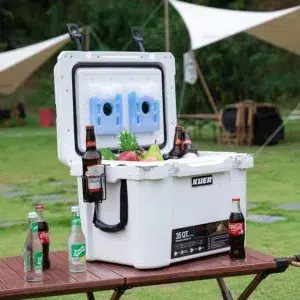
Insulated lunch boxes help maintain the temperature of food, keeping it warm or cool. This is due to its unique production process. Materials and design are crucial. Manufacturers use multi-layer construction to slow down heat transfer. The outer layer is usually a sturdy plastic or fabric that protects the lunch box from stains and tears. Use waterproof materials such as plastic or aluminum foil for the inner layer to keep food dry and fresh. The middle layer is the most critical and usually consists of a foam or vacuum layer. This layer blocks heat transfer by blocking conduction, convection, and radiation.
The following table lists common insulation materials and their properties:
| Material | Thermal Conductivity (W/(m·K)) | Heat Retention Capability |
|---|---|---|
| Vacuum Layer | Close to 0 | Excellent |
| Polypropylene (PP) | Approx. 0.22 | Moderate |
| Stainless Steel | Approx. 15 | High |
The construction of your lunch box is also important. A good lunch box has a good seal, which prevents air leakage and helps keep food at the right temperature for longer.
Hot and cold retention explained
Insulated lunch boxes use special methods to maintain food temperature. For hot food, the insulation layer locks in heat. The foam layer slows heat loss. The reflective lining reflects heat back to the food. For cold food, the foam layer retains cool air. Reflective materials block external heat.
| Mechanism | Hot Retention | Cold Retention |
|---|---|---|
| Conduction | Low thermal conductivity materials slow heat loss | Foam traps air to slow heat transfer |
| Convection | Vacuum insulation stops air movement | Foam and reflective layers reduce heat entry |
| Radiation | Reflective lining bounces heat back | Reflective materials minimize heat gain |
| Duration | Vacuum containers keep food hot for 4-6 hours | Foam bags keep food cool for 1-2 hours |
Tip: Warm up your lunch box with hot water or cool it with ice packs to make it work better.
When prepared properly, insulated lunch boxes can keep food hot or cold for up to 6 hours. Therefore, they are ideal for going to school, work, or traveling.
Do insulated lunch boxes really work?
Temperature retention in real life
You certainly want your lunch to stay fresh and safe. This is crucial whether you’re at school, at work, or outdoors. Many people ask whether insulated lunchboxes can actually keep food cold or hot. Tests show that reputable brands using smart insulation technology are highly effective. The table below compares the performance of popular models:
| Brand / Model | Insulation Technology | Construction Type | Performance Highlights |
|---|---|---|---|
| KUER | Multi-layered insulation, freezer-style gasket | Rotomolded hard shell | Extended ice retention, leakproof, seamless durability |
| YETI | AI-optimized insulation | Rotomolded hard shell | Ultra-durable, premium ice retention |
| Pelican | Heavy-duty foam, AI-driven analysis | Hard shell | Rugged, extended cooling capabilities |
High-quality lunch boxes feature thick foam and vacuum layers, providing a tight seal. These properties slow heat loss. KUER’s insulation and freezing seal keep ice cold for days, keeping your food and drinks chilled on long journeys.
People test these lunch boxes in different ways:
- You might carry your lunch box while hiking. This checks comfort and strength.
- At a picnic, you pack sandwiches and drinks with ice. You see how long they stay cold.
- On a long commute, you want your soup to stay hot until lunch.
Many lunchboxes can keep food hot for 6-12 hours and cold for 12-24 hours. The exact time depends on the quality of the lunchbox and how it is packaged. Using ice packs or refrigerating the lunchbox beforehand can help extend the cold time.
Note: Always use at least two cold sources, like ice packs or frozen juice, to keep food safe.
Expert and user experiences
Food safety experts say that insulated lunch boxes are very effective at keeping food at a safe temperature. Experts recommend using high-quality insulation materials and packaging food properly. Here are some suggestions from experts and users:
- Insulated lunch boxes keep food safe and stop spoilage.
- Bacteria grow fast between 40°F and 140°F. Keeping food out of this range is important.
- Experts suggest using ice packs and not opening the box often.
- Many users say their meals stay fresh for hours, even on hot days.
- Advanced models with special foam or vacuum insulation keep food cold for up to 24 hours.
- Packing right, like chilling the box and keeping it out of sunlight, helps it work better.
Insulated lunch boxes effectively protect food and are a reliable choice. Whether for school, work, or outdoor travel, insulated lunch boxes are very useful. As long as you choose the right lunch box and pack it properly, you can ensure your meals are safe and delicious.
What affects insulated lunch box performance
Size and capacity
When choosing an insulated lunchbox, you should consider its size and capacity. Size affects how well the lunchbox keeps food warm. A properly packed lunchbox will retain food better. If the lunchbox is too empty, heat or cold air will dissipate more quickly. Small lunchboxes are best suited for single diners. Larger lunchboxes are suitable for group outings or long trips. How the internal space of the lunchbox is utilized will also affect how long the food stays fresh.
Seal and closure quality
Sealing and closure are crucial for ensuring food safety. High-quality sealing rings prevent heat loss. Silicone sealing rings, especially those made of platinum-cured liquid silicone rubber, are excellent due to their durability and resilience, remaining strong even after multiple uses. The design of the lid is equally important. Foam-filled lids reduce heat loss. Stainless steel composite lids reflect heat, helping to maintain the ideal temperature for food. If the sealing ring is too soft or too thin, heat is more easily lost.
Insulation thickness and materials
The thickness of the insulation layer greatly affects the heat retention or cooling effect of an insulated food container. A thicker insulation layer better blocks heat transfer. For example, a 30-35 mm thick insulation layer provides excellent insulation. If you want to keep food fresh during long journeys, choose an insulation layer 40 mm or thicker. The insulation material is also important. High-quality foam or vacuum insulation helps keep food at the right temperature for hours.
Choosing a properly sized, well-sealed insulated container with a thick insulation layer will achieve the best heat retention.
Tips for using insulated lunch boxes
Pre-chilling and pre-heating
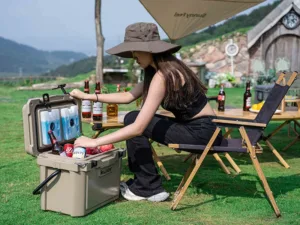
Pre-preparing your lunchbox helps keep food warm or cold better. Pre-cooling or pre-heating helps food stay hot or cold for longer. To keep food hot, pour hot water into the lunchbox for a few minutes, then drain the water before adding the food. To keep food cold, place the lunchbox in the refrigerator or freezer before filling it with food. These steps help food stay hot or cold for longer.
- Food can stay warm in an insulated bag for 2 to 6 hours.
- How long food stays warm depends on insulation, starting temperature, and outside weather.
- Preheating the bag and using heat packs can keep food warm longer.
Tip: Always start with food at the right temperature for best results.
Using ice packs or thermal inserts
Choosing the right ice pack or insulating liner is very important. Some types retain heat better than others. The table below compares several common types:
| Liner type | Rvalue | Weight | Benefit |
|---|---|---|---|
| Mylar bubble | 4.0 | ~40 g | Lightweight and reflective; ideal for everyday lunch boxes |
| Folded aerogel | 5.5 | ~60 g | Highest insulation per thickness; folds flat for easy storage |
| PCMinfused fabric | 3.5 | ~55 g | Gradual temperature buffering; absorbs heat as it melts |
Dry ice packs stay cold for a long time and do not make a mess. Gel packs keep food cool but may not last as long as dry ice. Solid block ice packs often keep food cold the longest because they hold more cold energy.
Packing strategies
The way you pack your lunchbox is crucial for keeping food fresh. Place an ice pack at the bottom and another on top to surround the food with cold air. Use dividers to separate hot and cold foods to prevent heat transfer. Lunch bags lined with aluminum foil can keep food cold for about 6.5 hours, suitable for everyday use.
If you use these tips, your insulated lunch box will work better. Your meals will stay safe and taste good.
Why Choose the KUER insulated lunch boxes
Key features and benefits
You certainly want your food to stay safe and fresh. The KUER insulated lunchbox is unique thanks to its robust rotomolded shell and multi-layered insulation. These components effectively prevent cracking and leaks, ensuring durability even with daily use. The KUER insulated box keeps food cold for up to 7 days, far exceeding most other brands. For example, the YETI insulated box keeps food cold for approximately 72 hours. With its thick insulation layer and tight seal, the KUER insulated box keeps food cold even in hot outdoor conditions. Even at temperatures as high as 84°F (29°C), the KUER insulated box can keep food cold for over 8 hours.
The KUER insulated box offers much more than that. It features a leak-proof seal and sturdy latches, with reinforced seams to effectively prevent liquid spills, ensuring your food’s safety. The large, leak-proof drainage holes make cleaning incredibly easy. Furthermore, this lunchbox is UV resistant, extending its lifespan even with outdoor use. KUER lunch boxes meet important safety regulations, such as:
- ISO 9001
- FDA
- LFGB
KUER is a manufacturer, supplier, and wholesaler. You can ask for custom lunch boxes for your business or outdoor trips.
How KUER compares to other brands
There are many brands to choose from on the market. KUER has some unique advantages. Its rotational molding design keeps food refrigerated more effectively than other brands. Most brands, such as YETI and Pelican, also use hard shells. But KUER can keep food cold for up to 7 days. Other brands typically only keep it cold for 3 days. KUER’s multi-layered structure makes it more robust and helps food stay fresh for longer.
| Feature | KUER | YETI | Pelican |
|---|---|---|---|
| Ice Retention | Up to 7 days | 72 hours | 72 hours |
| Shell Type | Rotomolded | Rotomolded | Hard shell |
| Leak-proof | Yes | Yes | Yes |
| UV Resistance | Yes | Yes | Yes |
| Custom Options | Yes | Limited | Limited |
KUER offers excellent value for money. Whether for outdoor travel or business trips, KUER lunch boxes are the ideal choice. KUER lunch boxes are sturdy, durable, safe, and keep food chilled for extended periods.
Insulated lunch boxes can ensure the safety and freshness of food and inhibit the growth of bacteria, allowing you to enjoy delicious food anytime and anywhere. Many people find them very convenient for daily use.
- Insulated lunch boxes keep food at safe temperatures for hours.
- 75% of people say these boxes make life easier.
Checklist for picking a good lunch box:
- Know your thermal window.
- Make sure compartments make sense.
- Think about how often and how you carry it.
- Check how easy it is to clean.
- Look for features that help you.
Pick KUER for trusted manufacturing, custom choices, and wholesale supply.
FAQ
How long can an insulated lunch box keep food cold?
Using high-quality insulation materials and ice packs, food can be kept cold for up to 24 hours. KUER insulated boxes can keep food cold for 5-7 days outdoors.
Can I use an insulated lunch box for hot foods?
You can bring hot food. The insulated lunchbox can keep food warm for 4-6 hours. For best results, please preheat the lunchbox.
Are KUER lunch boxes safe for food storage?
| Feature | KUER Lunch Box |
|---|---|
| FDA Certified | ✅ |
| Leak-proof Seal | ✅ |
| Custom Options | ✅ |
KUER provides you with secure and reliable storage services. Manufacturers offer customized and wholesale solutions.

 Request a quote
