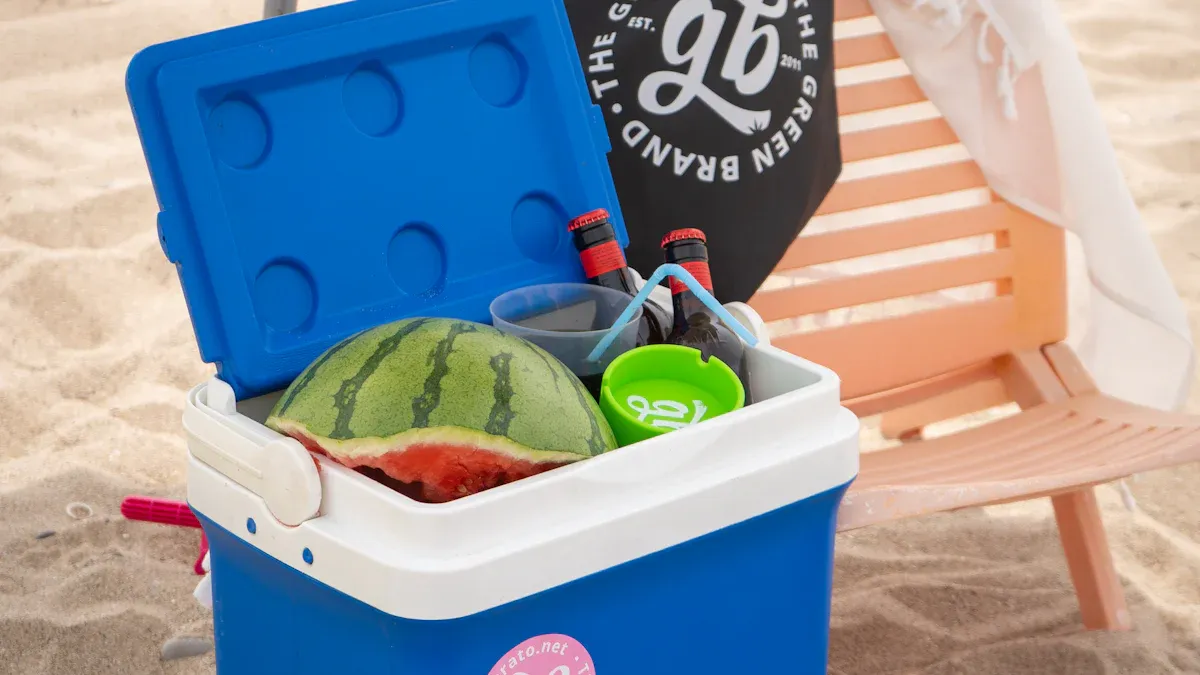

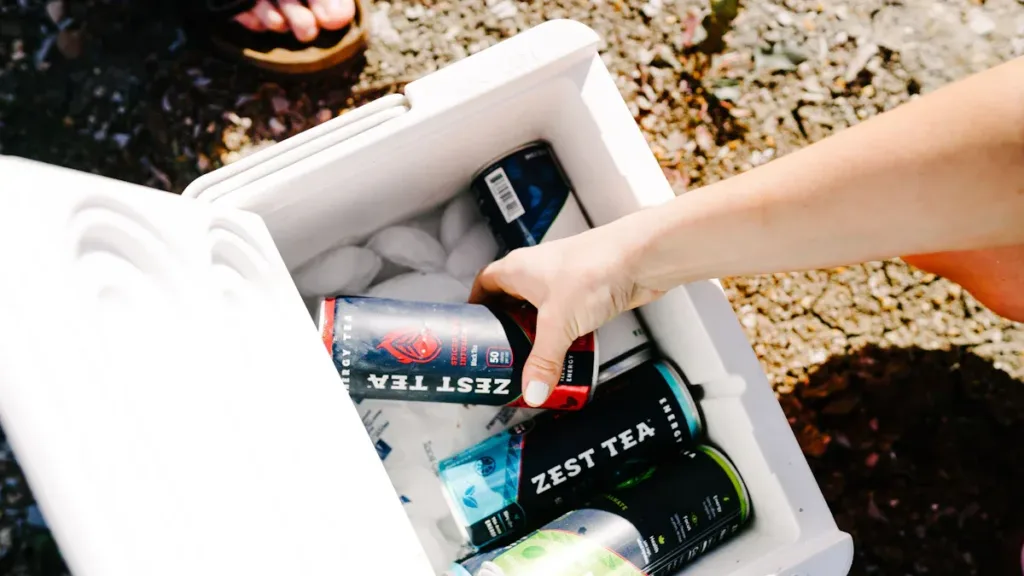
Picture a family packing for a picnic by the lake. They stand in front of two options: a custom ice chest and a cooler box. The main difference lies in how each keeps items cold and how they are built. Choosing the best cool box matters because it affects how long food stays fresh and drinks stay chilled. Understanding these differences helps buyers make smart decisions for outdoor adventures.
Key Takeaways
-
Ice boxes are easy to use and not expensive. They are good for short trips when you do not have power. Cooler boxes have better insulation. They can keep ice for 5 to 7 days. This makes them good for long outdoor trips. Cooler boxes are lighter than ice boxes. They are also easier to carry. Think about what you need. Pick an ice box for short trips. Pick a cooler box for long trips. A good cooler box can last a long time. It can help you save money because it does not break easily.
Ice Box and Cooler Box Overview
What is an ice box (ice chest)?
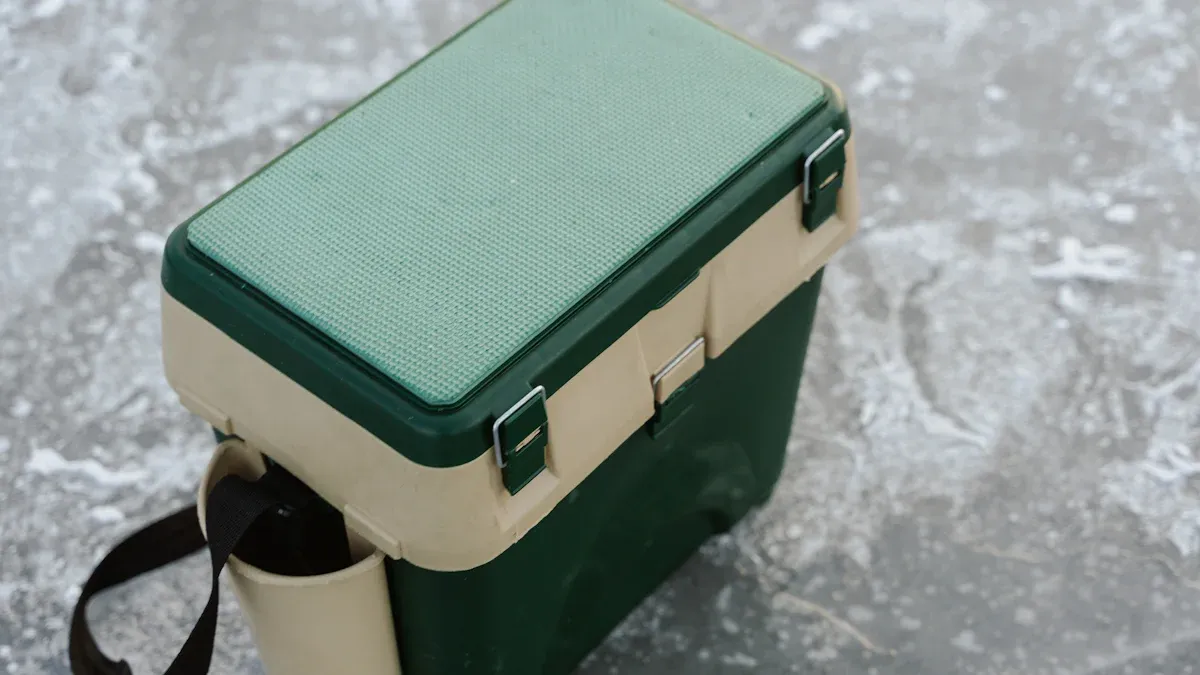
An ice chest is a box that keeps food and drinks cold. People have used ice chests for a long time. The ice box comes from old ways to keep things cool. In the 1800s, families used ice chests to save food. Big ice blocks sat inside the ice box to cool everything. Owners had to get new ice often. Ice chests were popular when people harvested ice. This time lasted from the mid-1800s until refrigerators came in the 1930s. Most ice chests were made of wood and metal. These materials helped keep the cold inside. The main job of an ice chest was to keep food fresh longer.
Tip: Changing the ice often in an ice chest helps keep things cold and stops food from going bad.
What is a cooler box?
A cooler box is a newer kind of ice chest. The cooler box design has changed a lot over time. Old coolers were heavy and hard to carry. Today, cooler boxes use better materials and new technology. Most cooler boxes are light and easy to move. Cooler boxes use special insulation to keep things cold for days. Modern coolers work better and are easier to use than old ice chests. The KUER Cooler Box is a good example of a modern cooler box. It uses strong materials and thick insulation. The KUER Cooler Box can keep ice for up to a week. People use cooler boxes for camping, fishing, and picnics. Cooler boxes are now important for outdoor fun.
-
Modern cooler boxes give you:
-
Better insulation
-
Lighter weight
-
Easy to carry
-
Strong build
-
Cooler boxes help people have fresh food and cold drinks anywhere.
Key Differences Between Ice Box and Cooler Box
Materials and construction
Ice chests and cooler boxes use different materials. Old ice chests are made from wood, metal, or simple plastic. These materials are strong but can break down after a while. Cooler boxes, like the KUER Cooler Box, use special plastics such as high-density polyethylene (HDPE), polypropylene (PP), and rotomolded linear low-density polyethylene (LLDPE). These materials make cooler boxes tougher and harder to damage.
Rotomolded coolers are made in one solid piece. This way, there are no weak spots. The cooler is stronger and lasts longer. People who love the outdoors like these coolers because they are tough. The table below shows how the materials and design are different:
|
Feature |
Cooler Boxes |
Ice Boxes |
|---|---|---|
|
Materials |
High-density polyethylene (HDPE), polypropylene (PP), rotomolded LLDPE |
Metal, wood, basic plastic |
|
Insulation |
Injected polyurethane foam for superior thermal retention |
Lower-grade materials, less effective insulation techniques |
|
Design Purpose |
Designed for maximizing thermal efficiency over extended periods |
Historically used large blocks of ice, less focus on thermal efficiency |
Note: Rotomolded cooler boxes are stronger and keep things cold better because they have no seams.
Insulation and cooling performance
Insulation is important for keeping things cold. Most old ice chests use thin polystyrene or just air gaps. Cooler boxes use thick polyurethane (PU) foam. This foam keeps the cold in and makes the box strong.
The table below shows different insulation materials:
|
Insulation Material |
Features |
Applications |
|---|---|---|
|
Polystyrene (EPS) |
Good insulation performance, lightweight, low-cost |
Transporting lightweight items or food |
|
Polyurethane (PU) |
Excellent insulation performance, structural strength |
Long-term insulation needs, pharmaceutical transportation |
|
Polypropylene (PP) |
Durable, good heat and chemical resistance |
Reusable insulation needs, dining delivery |
|
Fiberglass |
Very high insulation performance, durable |
Transporting items under extreme conditions |
|
Stainless steel |
High durability, excellent insulation, easy to clean |
Food services, medical fields |
Cooler boxes like the KUER Cooler Box can keep ice for 5-7 days. Most hard coolers keep ice for about 4 days. Old ice chests usually keep ice for only two days. Styrofoam coolers last just 12-24 hours. People say that coolers with thick foam and strong walls work best. They check how long ice lasts and see that cooler boxes keep things cold longer.
Portability and design
Being able to carry your cooler is important. Old ice chests can be heavy and hard to move, especially if they are made of wood or metal. Cooler boxes are made to be easy to carry. They use light materials and smart handles. Many cooler boxes have built-in handles and sometimes wheels. These features help you move the cooler over rough ground or long distances.
|
Feature |
Description |
|---|---|
|
Built-in Handle |
Facilitates easy carrying and maneuvering during outdoor activities. |
|
Wheels |
Enhances transportability, allowing for easier movement over various terrains. |
The KUER Cooler Box has comfy handles and is not heavy. This makes it easy to carry, even when full. People who go outside like these features because they make trips easier and more fun.
Typical uses and scenarios
People pick an ice chest or cooler box based on what they need. An ice box is good for places with no power. It is simple and does not need electricity. Some people choose an ice chest because it costs less or is just a basic box that works.
A cooler box is best for camping, fishing, and picnics. It keeps things cold longer and works better. The table below shows which cooler is best for different uses:
|
Cooler Type |
Standout Features |
Ideal Use Cases |
|---|---|---|
|
Soft-Sided Cooler |
Flexibility, lightweight, collapsible, hard liners |
Short trips, picnics, beach outings |
|
Electric Cooler |
Maintains temperature using power sources |
Road trips, camping with power access |
|
Hard-Sided Cooler |
Durability, excellent insulation |
Long camping trips, larger groups |
|
Hybrid Cool Boxes |
Versatile, combines features of soft, hard, and electric coolers |
Casual picnics to multi-day camping trips |
Tip: For long camping trips or big groups, a hard-sided cooler box like the KUER Cooler Box works best.
Pros and Cons of Ice Box and Cooler Box
Ice box (ice chest) advantages and disadvantages
An ice box helps keep food and drinks cold. Many families like ice boxes because they are simple. They do not need electricity to work. People use ice boxes for camping and picnics. They also use them when the power goes out. The table below lists the main good things about ice boxes:
|
Advantage |
Description |
|---|---|
|
Cost-effectiveness |
An ice box costs less than a refrigerator or electric cooler. |
|
Portability |
People can carry an ice box easily to outdoor events. |
|
Off-the-grid living |
An ice box works well without power, making it useful during outages or in remote locations. |
|
Eco-friendliness |
An ice box uses ice, not electricity, so it is better for the environment. |
|
Simplicity |
An ice box is easy to use and does not need much maintenance. |
|
Specialty uses |
People can use an ice box for many items, including food, drinks, and medicine. |
But ice boxes have some problems too. You need to add ice often. This can be annoying for some people. When the ice melts, food can get wet and messy. Some ice boxes are small and do not stay cold for long trips. If you cannot find ice, an ice box may not work well.
-
You must refill ice a lot, even with power.
-
Melting ice can make food wet and messy.
-
Ice boxes are often small and do not stay cold long.
-
Not good for places where ice is hard to find.
Tip: Check the ice level often to keep food safe in an ice box.
Cooler box advantages and disadvantages
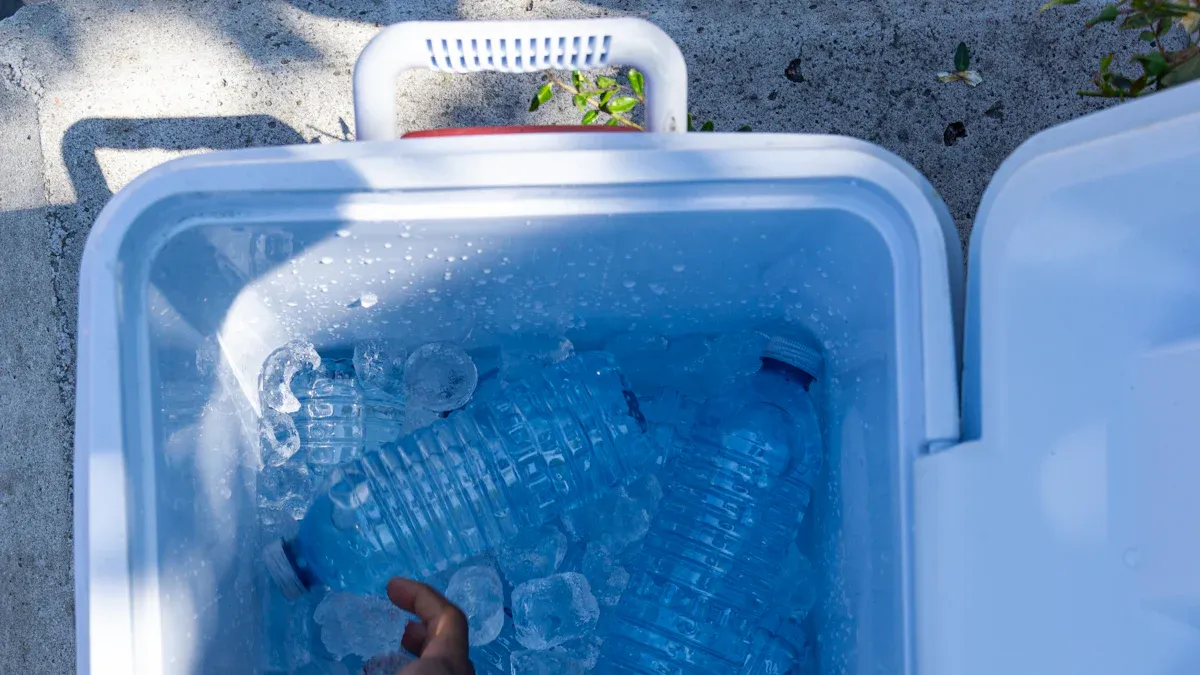
A cooler box has many new features. The KUER Cooler Box is special because it has strong insulation and a tight seal. This cooler can keep ice for up to seven days outside. The table below shows the main good things about cooler boxes:
|
Feature |
Benefit |
|---|---|
|
Advanced Insulation |
PU foam keeps ice longer, so food and drinks stay cold for days. |
|
Sealed Design |
A gasket seal keeps cold air in and reduces condensation. |
|
Enhanced Portability |
Lightweight materials and ergonomic handles make the cooler easy to carry. |
Cooler boxes are great for camping, fishing, and long trips. They keep things cold longer than ice boxes. Many people like cooler boxes because they are strong and easy to move.
But cooler boxes have some problems too. Big cooler boxes can be heavy and hard to move. Cleaning a cooler can take time. If you do not clean it well, bacteria can grow inside. Cooler boxes still need ice, which can make them heavy and cost more for long trips.
|
Drawback |
Explanation |
|---|---|
|
Bulkiness and Portability |
Large coolers can be heavy and hard to move. |
|
Maintenance Challenges |
Cleaning is important to prevent bacteria. |
|
Ice Dependency |
Coolers need ice, which adds weight and cost for long outings. |
Note: The KUER Cooler Box has strong insulation and is easy to carry, so it is a great choice for outdoor use.
Choosing the Right Cooling Solution
Factors to consider
Selecting the best cooling option depends on several important factors. People should think about what they need to keep cold and how long they will be outdoors. For a short picnic, an ice box may work well. For longer trips, a cooler box with strong insulation will keep food and drinks cold for more days.
Here are some key points to consider:
-
Insulated cooler lining helps keep items cold for a longer time.
-
Durable and easy-to-clean materials make maintenance simple.
-
Different sizes allow for better portability.
-
Adjustable straps or handles make transport easier.
-
Waterproof design prevents leaks and keeps food dry.
People should also ask themselves these questions:
-
What needs to stay cold, and for how long?
-
How often do they go camping or fishing?
-
Is ice easy to find during the trip?
-
What is the budget for a new cooler or ice box?
The style of the trip matters. For quick weekend outings with little gear, an ice box can do the job. For longer adventures, a cooler box with thick insulation works better. Many campers and anglers choose a cooler for its ability to keep ice for several days.
Budget plays a big role. People should match their needs with what they can spend. A high-quality cooler may cost more at first, but it can last for years. Over time, this can save money compared to buying cheaper models that need replacing often. It is smart to think about how much the cooler will cost each year.
Tip: A cooler that balances good performance and price is the best choice for most outdoor fans.
Ice boxes and cooler boxes both keep things cold, but they are not the same. They use different materials and insulation, so they work differently. Cooler boxes like the KUER Cooler Box have better insulation and stronger materials. This means ice stays frozen for a longer time. Ice boxes are good for short trips or simple uses.
-
Modern coolers can keep ice for many days, so they are great for long trips.
-
Ice boxes with good insulation are best for short trips and keeping drinks cold.
-
How much ice costs and if you can find it can change which one is best.
Picking the right cooler lets everyone have fresh food and cold drinks outside.

 Request a quote
