
Imagine a worker on a hot job site needing cold drinks by lunchtime. A rotomolded lunch box steps in as a practical solution. People often look for the best construction lunch box to keep food safe and cool. The tough build and strong insulation of a construction lunch box help it act like a cooler. Each person should think about daily needs before choosing the right option.
Key Takeaways
-
A rotomolded lunch box can keep food and drinks cold for many hours. This makes it a good choice for daily use and outdoor trips.
-
Pick a lunch box with strong insulation and FDA certifications. This helps keep your food safe and cool for a long time.
-
Chill your lunch box before use and use twice as much ice as food. This helps keep your meals fresh and cold for longer.
-
Think about the size and space of the lunch box you need. Small lunch boxes work well for one person. Bigger coolers are better for groups.
-
Durability is important. A strong lunch box can handle rough use and outdoor weather. This keeps your food safe and cool.
Rotomolded Lunch Box Basics
Insulation and Construction
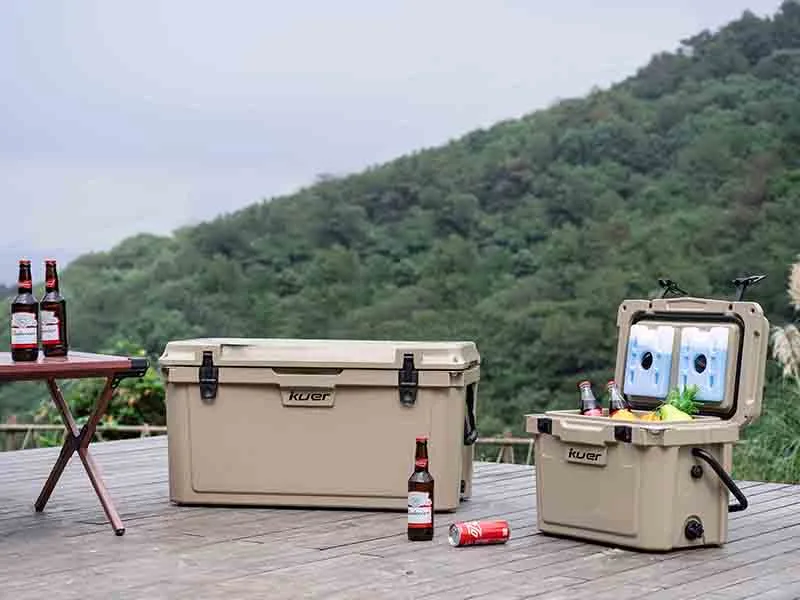
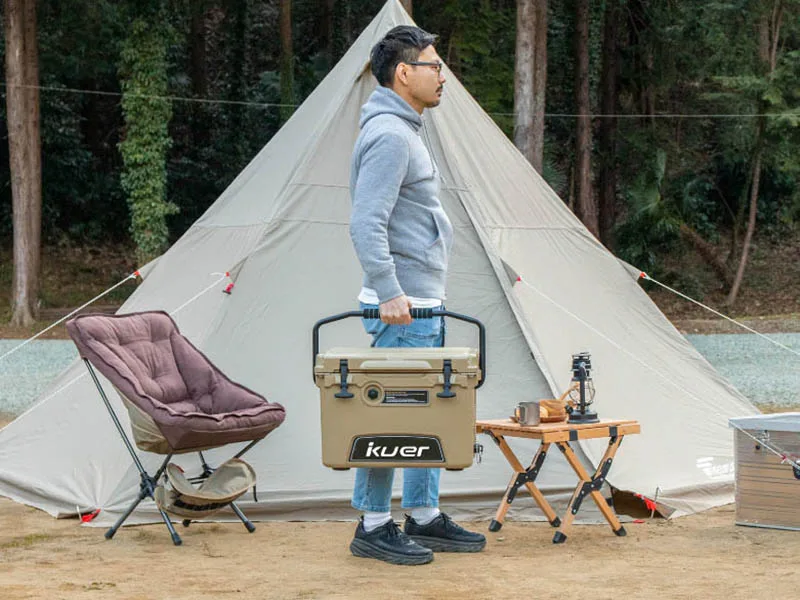
A rotomolded lunch box is made in a special way. This process makes the shell strong and without seams. Companies use foam, reflective layers, and neoprene in these lunch boxes. These materials help food stay safe and cold for a long time. The KUER Hard Lunch Cooler uses food-grade LLDPE and PU foam. These materials give great insulation and keep heat out. Thick walls and leak-proof seals stop warm air from getting inside.
Tip: Pick a rotomolded lunch box with FDA certification. This means the materials are safe for food and drinks.
Many brands test their lunch boxes to meet safety rules. Some lunch boxes also have LFGB and BRC certifications. These show the lunch box does not have BPA or phthalates. They also mean the lunch box was made in a clean place.
-
Materials in lunch boxes stop chemical contamination.
-
Testing makes sure lunch boxes are safe from bad chemicals.
-
FDA and LFGB certifications show food safety.
-
BRC certification matches world standards.
Cooling Capabilities
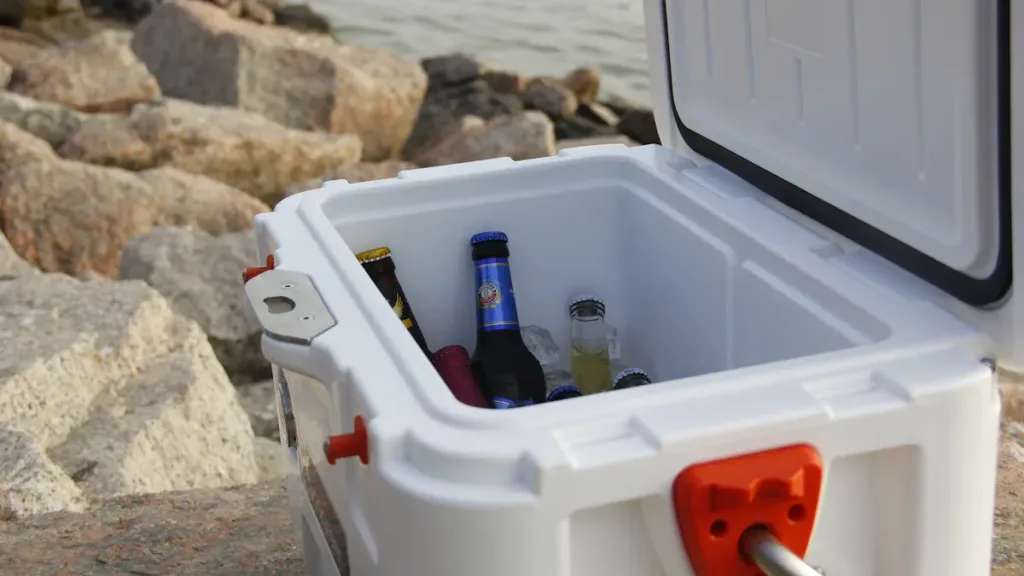
The insulation in a rotomolded lunch box keeps food and drinks cold for hours. The KUER Hard Lunch Cooler has many layers of insulation. It keeps things cold even when it is hot outside. The table below shows how well different brands keep things cold:
|
Brand |
Insulation Type |
Performance |
|---|---|---|
|
KUER |
Multi-layer insulation |
Over 8 hours at 84°F |
|
YETI |
ColdCell Flex foam |
Up to 6 days below 40°F |
|
Pelican |
Dual-compound insulation |
All-day cold retention |
The KUER Hard Lunch Cooler has a 5-year warranty. This warranty covers problems with materials and how it is made. This helps people feel safe when using it outdoors.
-
KUER Hard Lunch Cooler has a 5-year warranty.
-
The warranty covers problems with materials and making.
A rotomolded lunch box is good for keeping food fresh and drinks cold. Its strong insulation and build make it a smart choice for many uses.
Lunch Box vs. Cooler
Ice Retention
Ice retention is very important when picking a lunch box or cooler. Rotomolded lunch boxes have thick insulation and tight seals. These features help ice last longer. The KUER Hard Lunch Cooler can keep ice for 5-7 days. This is as good as, or better than, many coolers of the same size.
|
Cooler Brand |
Ice Retention Time (days) |
|---|---|
|
Pelican Elite |
Up to 10 days (7-10 days realistic for medium/large sizes) |
|
Cordova |
About 5 days |
|
Blue Coolers |
Up to 10 days (7-10 days realistic for medium/large sizes) |
|
Techni Ice Signature Series |
8-14 days |
|
YETI V Series |
8-10 days |
A rotomolded lunch box like the KUER Hard Lunch Cooler uses special insulation. This helps it work as well as bigger coolers. It is a good choice for people who need cold food and drinks for a long time.
Note: Ice retention changes with outside temperature, how often you open the lid, and how much ice you use.
Capacity and Size
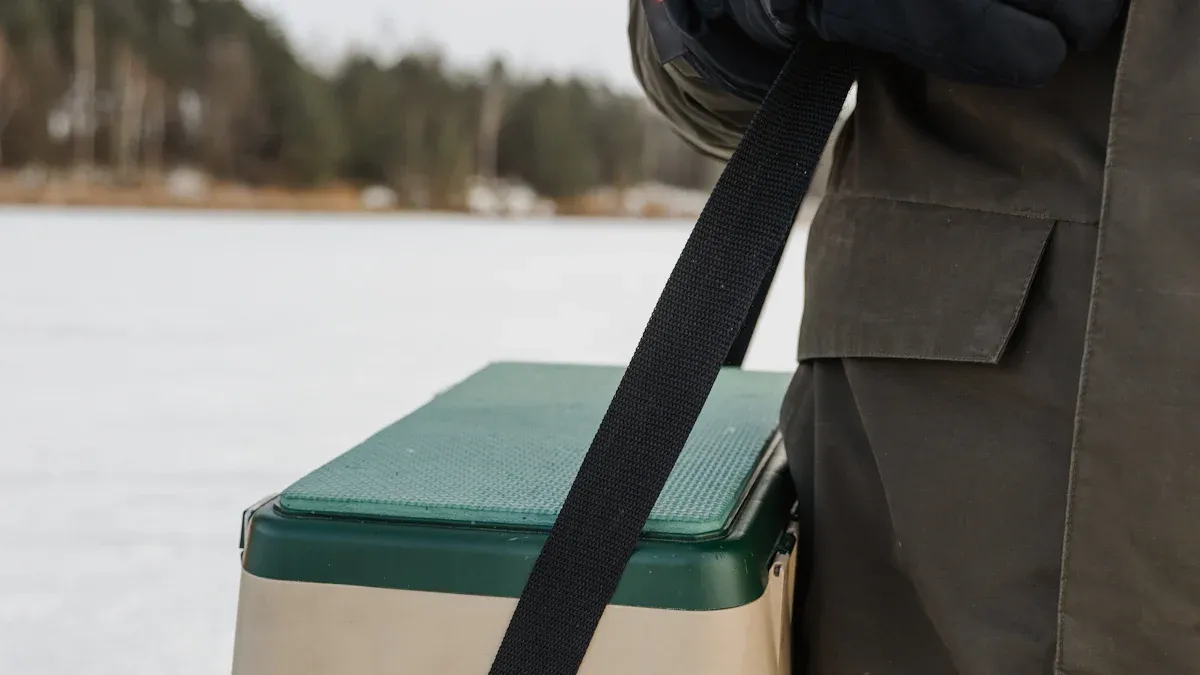
Traditional coolers are usually big. They can hold food and drinks for many people or long trips. Rotomolded lunch boxes are smaller and easy to carry. They fit in cars, at job sites, or at school. The KUER Hard Lunch Cooler has space for a meal, snacks, and drinks. It does not take up much space.
-
Traditional coolers: Good for big groups or long trips.
-
Rotomolded lunch box: Good for one person or a small group.
People who carry their cooler every day may like a lunch box more. It is lighter and easier to move. It also fits in small spaces.
Durability
Durability is another big difference. Both rotomolded lunch boxes and coolers go through tough tests. These tests check how strong they are:
|
Testing Method |
Description |
|---|---|
|
Compression Testing |
Checks how well it handles pressure by pushing down and seeing if it bends. |
|
Drop Testing |
Checks if it breaks when dropped from a certain height. |
|
Vibration Testing |
Shakes the cooler to see if it stays strong during travel. |
|
Temperature and Humidity Testing |
Tests how it works in hot, cold, wet, or dry places. |
|
Permeability Testing |
Checks if water or air can get inside. |
|
Accelerated Aging Testing |
Makes the cooler age faster to see how long it lasts. |
The KUER Hard Lunch Cooler does very well in these tests. It can survive drops from 15 meters high. Its shell can handle sunlight for over 8000 hours. This makes it great for outdoor workers, campers, and anyone who needs a strong cooler.
Tip: A tough lunch box keeps food and drinks safe from bumps, drops, and bad weather.
Limitations to Consider
Insulation Thickness
How thick the insulation is matters a lot for keeping things cold. Thicker insulation traps cold air inside and keeps heat out. Experts say outdoor lunch boxes should have 15–20 mm of insulation. This much insulation can keep food safe for up to 45 hours, even in hot weather. The table below lists important things that affect how well a lunch box cools:
|
Factor |
Description |
|---|---|
|
Insulation |
Thick foam walls keep cold air in and heat out. |
|
Material |
Good insulation materials make cooling better. |
|
Thickness |
Thicker walls help ice melt slower. |
|
Cooler Body |
Rotomolded bodies have fewer weak spots for heat. |
|
Gasket Design |
Airtight gaskets stop warm air from getting in. |
|
Lid Design |
Insulated lids stop heat from coming in from the top. |
|
Reflective Surfaces |
Reflective outsides block sunlight. |
|
Temperature Control |
Vents or drains help keep the inside cool. |
Size Constraints
Rotomolded lunch boxes are usually smaller than big coolers. Most lunch boxes hold enough for one person’s food and drinks. For example:
-
Pelican lunchbox coolers come in 8QT, 14QT, and 20QT sizes.
-
The 14QT size can fit a full lunch with drinks or a 6-pack of cans.
These sizes make lunch boxes easy to carry and store. But they might not be good for big groups or long trips.
Practical Use
People should think about how they will use their cooler. Rotomolded lunch boxes are best for daily lunches, short trips, or one person. For family picnics or camping with many people, a big cooler is better. Making hard coolers uses more energy and water than soft ones. Some companies recycle plastic waste to help the planet. When picking between a lunch box and a big cooler, people should think about how much space and cooling time they need.
Maximizing Cooling
Pre-Chilling
Pre-chilling helps a lunch box keep food cold for a longer time. People can place the lunch box in the refrigerator overnight. They should also chill all food and drinks before packing. Cold food in a cold container stays fresh longer. If someone puts cold food into a warm lunch box, the food will warm up faster. This step is simple but makes a big difference.
Ice Packs and Ice
Ice packs and ice are important for keeping food safe. People should use a 2:1 ice-to-food ratio. This means using twice as much ice as food. More ice keeps the temperature low for a longer time. Placing ice at the bottom and food on top helps cool the food evenly. Packing enough ice is key for outdoor trips or hot days.
Packing Tips
Packing a rotomolded lunch box the right way saves space and keeps food cold. People can remove extra packaging from food to make more room. Packing items tightly leaves less air inside. Less air means the lunch box stays cold longer. A full lunch box works better than one with empty spaces. Layering ice and food also helps keep everything cool.
Tip: The KUER Hard Lunch Cooler has a leak-proof design. This makes it easy to clean and keeps spills inside. The strong materials last a long time, even with daily use.
Lid Management
Opening the lid often lets warm air inside. Warm air melts ice faster and raises the temperature. People should open the lunch box only when needed. Keeping the lid closed helps food and drinks stay cold. Good lid management makes a big difference on hot days.
Best Use Cases
Daily and Work Use
A rotomolded lunch box is great for daily use and work. People who work in construction, farming, or landscaping need cold food and drinks. The lunch box is strong and has thick insulation. This keeps food safe from heat and rough treatment. Many people pick these lunch boxes because they do not break easily. They last a long time and keep things cold for hours, even on hot days. They are also easy to carry and clean, so they work well every day.
-
Strong build protects from drops and bumps.
-
Thick insulation keeps food safe until lunch.
-
Small size fits in trucks, lockers, or break rooms.
Outdoor Activities
People who like the outdoors use rotomolded lunch boxes for camping, fishing, or hiking. The insulation keeps food and drinks cold for a long time. This is important when it is hot outside. The KUER Hard Lunch Cooler can keep out bears and stands up to sunlight. Its leak-proof design and tight lid keep animals out and stop spills. The cooler does not get damaged by the sun, so it lasts longer outside.
|
Feature |
Benefit |
|---|---|
|
UV Stability |
Stops sunlight from causing damage |
|
Bear Resistance |
Keeps food safe from wild animals |
|
Chemical Resistance |
Handles tough outdoor conditions |
|
Flexibility |
Stays strong with rough use and heat |
When to Upgrade
Sometimes people need more space or longer cooling. A small cooler is good for day trips or one person. For weekends with friends, a medium cooler holds more food and drinks. Big groups or long trips need a large cooler for extra space and ice.
-
Day trips: Small cooler (20-30 quarts) for snacks and drinks.
-
Weekend trips: Medium cooler (45-60 quarts) for more supplies.
-
Long trips: Large cooler (75-100 quarts) for families or groups.
A rotomolded lunch box is best for daily use, short trips, and outdoor fun when you need something strong and cool.
A rotomolded lunch box keeps food and drinks cold for hours. Research shows these coolers keep ice longer than regular ones. This is helpful for outdoor trips. Tests show they have strong seals and good insulation. People say these lunch boxes are tough and do not leak.
|
Strengths |
Limitations |
|---|---|
|
Extreme durability |
Heavier |
|
Long ice retention |
Higher price |
|
Lockable corners |
N/A |

 Request a quote
