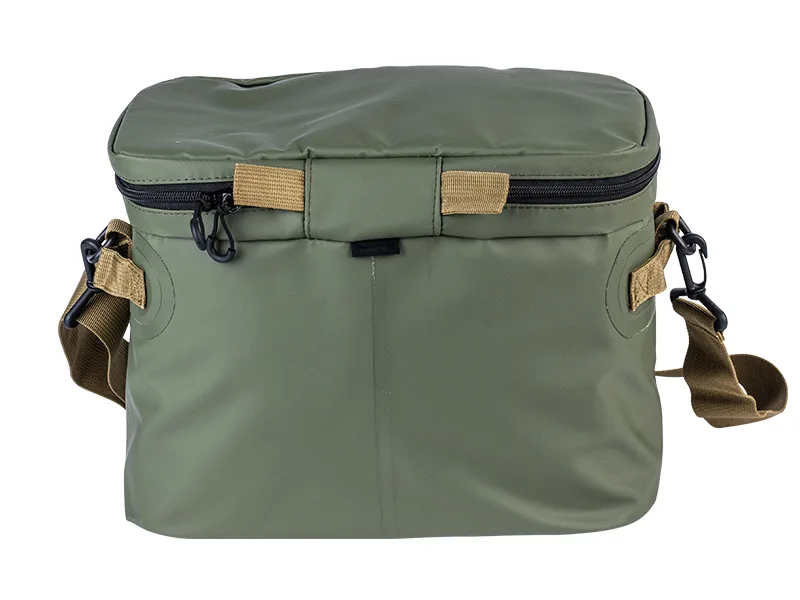


Yes, people can use dry ice in a cooler box when they follow safety guidelines. Dry ice keeps food and drinks cold for much longer than regular ice. For example, dry ice can last up to 72 hours in a premium cooler, while regular ice may only last 6 to 12 hours. This makes dry ice a smart choice for outdoor trips or when using a locking ice chest. Users should always pay attention to safety when handling dry ice in a cool box portable storage.
Key Takeaways
Dry ice can keep food and drinks cold for up to 72 hours. This makes it great for trips outside. – Pick a cooler box made from strong stuff like rotomolded polyethylene. This helps dry ice work its best. – Always make sure there is good airflow when using dry ice. This stops dangerous gas from building up. – Wrap dry ice in newspaper or cardboard before you pack it. This keeps your food from freezing. – Fill empty spots in the cooler with towels or crumpled newspaper. This helps the cooler stay cold longer.
Choosing a Cooler Box
Best Cooler Box Materials
Picking the right cooler box matters when using dry ice. Some materials cannot handle the cold or pressure from dry ice. The table below lists materials that work well with dry ice:
Material Type | Description | Example Sources |
|---|---|---|
Rotomolded Polyethylene | Very strong and keeps things cold for a long time. | Guangzhou Tsunami, Factory Price |
Injection Molded HDPE/PP | Tough plastic, used in many coolers. | Shoaibee Industries, Yongkang Nengfeng |
EPS (Expanded Polystyrene) | Light and keeps cold in, used in hard cases. | Guangxi Lvye, Nanchang Yanle |
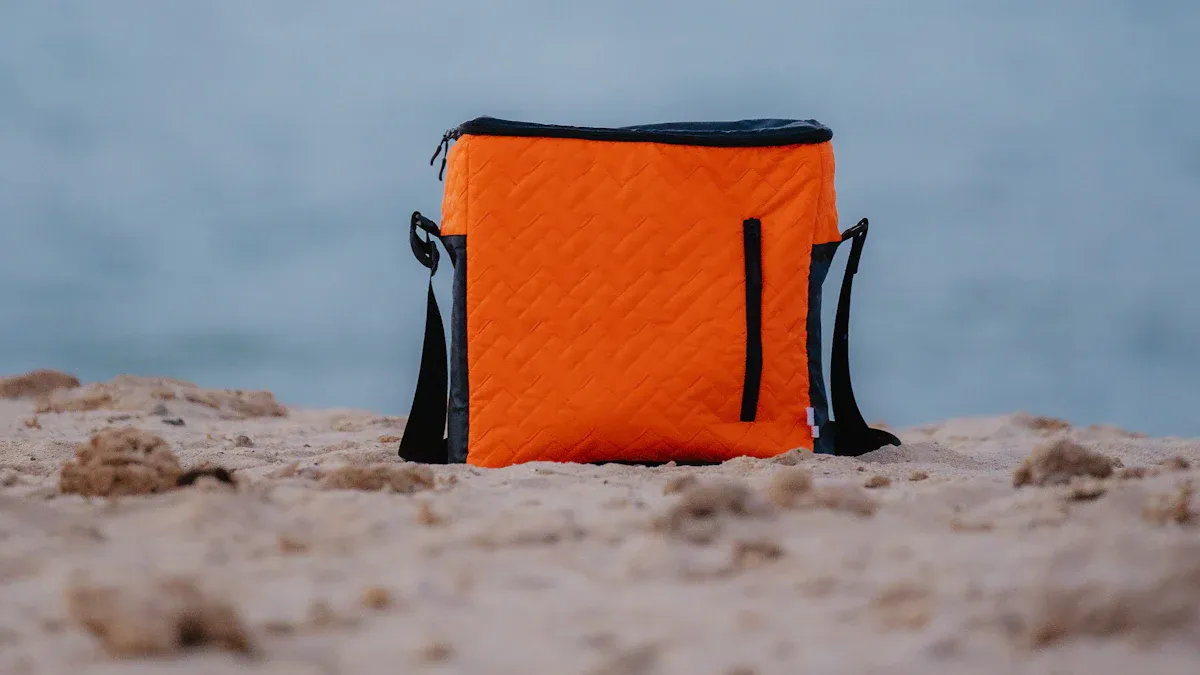
840D TPU or Polyester (Soft Coolers) | Fabrics with layers to keep water out and cold in. | Xiamen Acewell |
Rotomolded polyethylene is the best material for a cooler box. It is very strong and keeps things cold for a long time. The KUER Cooler Box is made with rotomolded construction. This means it has no seams. The cooler box is tough and lasts a long time. It also keeps food and drinks cold for longer.
Tip: Always check the material and how the cooler is made before using dry ice.
Insulation and Seals
Insulation is important for keeping things cold in a cooler box. Experts say insulation should be between 1 inch and 2 inches thick for dry ice. The KUER Cooler Box has thick PU foam insulation. This keeps the cold inside and slows down dry ice from melting.
Rotomolded coolers have better insulation. They are made in one piece using heat and pressure. This makes the cooler strong and keeps cold air inside. The cooler box works well even outdoors.
Good seals are also important. Seals help stop dry ice from turning into gas too fast. This keeps the cooler box cold for longer. The KUER Cooler Box has a strong gasket seal. This stops air from leaking and keeps the cold inside.
When picking a cooler, look for strong materials, thick insulation, and tight seals. These things help the cooler box work well with dry ice. They also keep food and drinks safe on any trip.
Preparing the Cooler Box
Pre-Chilling Steps
Pre-chilling your cooler box helps dry ice work better. It also keeps food cold for a longer time. You can do a few things to help with this. First, put drinks in sea water before packing them. This makes the drinks colder and helps dry ice last longer. Next, use frozen water bottles inside the cooler. These bottles keep food dry and help keep things cold. Try to keep the cooler closed as much as you can. This stops warm air from getting in. It also helps the insulation work better. These steps make sure your cooler box starts out cold. When the cooler is already cold, dry ice melts slower. The KUER Cooler Box works well with these tips. Its thick insulation keeps cold air inside.
Tip: Pack cold items instead of warm ones. This helps dry ice last longer and keeps food fresh.
Ventilation Tips
Dry ice changes into carbon dioxide gas as it gets warmer. This gas needs to get out of the cooler box. If there is no way for the gas to escape, it can cause problems.
Proper ventilation is very important when using dry ice. Dry ice turns into carbon dioxide gas. This gas can build up in closed or tight spaces. If there is not enough airflow, the gas can reach dangerous levels. This can cause health problems like dizziness, trouble breathing, passing out, or even suffocation.
Make sure the container is not sealed all the way. Dry ice turns into CO₂ gas. The gas needs a way out so pressure does not build up. Most dry ice containers have vented lids for this reason.
Do not store dry ice in places with no airflow. Some risks are:
CO2 gas can push out oxygen and cause suffocation.
Too much CO2 can make you dizzy or pass out.
Using fans or keeping the cooler outside helps keep air safe.
The KUER Cooler Box has a strong gasket seal. But do not seal it all the way when using dry ice. Always let some air out to keep everyone safe.
Handling and Packing Dry Ice

Safe Handling Practices
Dry ice can be dangerous if handled without care. People should always use protective equipment when working with dry ice. The following items help keep hands and skin safe:
Loose-fitting, thermally insulated gloves, such as leather or cloth gloves, protect hands from cold burns.
Heavy-duty, insulated gloves shield hands from the extreme cold.
Safety glasses or goggles protect eyes from debris.
Long sleeves and pants cover skin and prevent frostbite.
Closed-toed shoes keep feet safe.
Tongs help move dry ice without touching it.
Inspect gloves before use to make sure they are not damaged.
Never touch dry ice with bare hands. Frostbite can happen quickly. Always use gloves and tools to move dry ice. People should also keep dry ice away from children and pets.
Injury Type | Description |
|---|---|
Frostbite | Severe frostbite or cold burns can occur from direct skin contact, leading to tissue damage. |
Suffocation | Accumulation of carbon dioxide gas in enclosed spaces can cause suffocation and loss of consciousness. |
Ingestion Hazards | Ingesting dry ice can lead to severe burns and internal pressure buildup, causing serious harm. |
Projectile Hazards | Mishandling can create sharp, high-velocity projectiles that can cause cuts and eye injuries. |
People should always think about safety when they buy dry ice for their cooler box.
Wrapping and Placement
Before packing dry ice, people should wrap dry ice in newspaper, paper, or cardboard. These barriers keep dry ice separate from foods and drinks. Wrapping helps prevent direct contact, which can freeze or damage foods. It also makes handling easier and safer.
When packing a cooler, the position of dry ice matters. For frozen foods, place dry ice at the bottom and on top of the items. This keeps everything frozen and helps cold air sink. For chilled foods and drinks, put dry ice at the bottom only. This keeps items cool without freezing them. Adding a layer of cardboard or cloth between dry ice and foods helps control the temperature.
People who prep your cooler for ice cream should place dry ice on top of the containers. Cold air sinks and keeps ice cream solid. For scoopable ice cream, dry ice at the bottom works well. Always use insulation between dry ice and foods to avoid freezing.
Tip: Wrap dry ice before packing to protect foods and drinks from direct contact.
Packing Food and Drinks
When people pack your cooler, they should use a good ratio of dry ice to foods and drinks. A 2:1 ratio works best. This means for every part of foods and drinks, use two parts dry ice. This keeps everything cold for longer.
Do not overfill the cooler box. Leave space for gas to escape. Never seal the cooler box tightly. Even a small gap lets carbon dioxide gas out safely. Vented containers or loosely fitting lids work best. Avoid using glass jars or PET bottles, as these can break under pressure.
People should store dry ice in open or well-ventilated spaces. Never transport dry ice in a closed car without airflow. Keeping CO₂ away from people is important for safety.
When storing fresh foods, keep them away from direct contact with dry ice. Use barriers and pack items with care. This helps keep foods and drinks fresh and safe during outdoor trips.
Note: Always leave room in the cooler for gas expansion. This keeps everyone safe and helps dry ice last longer.
Maximizing Efficiency and Safety
Filling Gaps
Reducing empty spaces in a cooler box helps dry ice work more efficiently. Air pockets allow warm air to move around, which makes dry ice disappear faster. People can fill these gaps with simple materials found at home.
Crumpled newspaper fills spaces and slows down the warming process.
Towels also work well to block air from moving inside the cooler.
Brown paper can be used if newspaper or towels are not available.
When there is less air inside, dry ice lasts longer. This means foods and drinks stay cold for more time. Packing the cooler tightly with these materials keeps everything at a steady temperature. People should always make sure that foods and drinks do not touch dry ice directly unless they want them to freeze.
Tip: Fill all empty spaces in the cooler box to help dry ice keep foods and drinks cold for as long as possible.
Storage and Disposal
Storing dry ice safely protects both people and their supplies. Always use an insulated container, like a cooler box, to slow down the loss of dry ice. The container should allow gas to escape, so never use an airtight box. Place dry ice in a well-ventilated area to prevent carbon dioxide from building up. Avoid letting dry ice touch surfaces that could be damaged by extreme cold.
Store dry ice in a vented insulated cooler.
Use thick Styrofoam containers if a cooler box is not available.
Keep dry ice away from children and pets.
Always use gloves or tongs when handling dry ice.
When it is time to dispose of dry ice, let it turn into gas in a safe, open space. Outdoor areas work best because the gas can spread out quickly. If outdoor disposal is not possible, choose a room with open windows and good airflow. Keep dry ice in its original packaging to control how fast it disappears. Never put dry ice in sinks or toilets, as this can damage plumbing. Always keep the area clear of children and pets during disposal.
Note: Always use dry ice in places with plenty of fresh air. This keeps everyone safe from carbon dioxide gas.
Dry ice is good for keeping things frozen in a cooler box. People like to use strong coolers such as the KUER Cooler Box. Dry ice can keep food frozen for about 18 to 24 hours. If you need things frozen longer, add more dry ice or use it with regular ice.
Always wear gloves and let air move in and out.
Follow the maker’s rules for safe use.
Do not close the cooler so tight that air cannot get out.
Safety Precaution | Description |
|---|---|
Handling Dry Ice | Use gloves or tongs, never bare hands |
Storing Dry Ice | Store in ventilated areas, never airtight |
Transporting Dry Ice | Ensure airflow, label packages |
If you get ready the right way, dry ice keeps things cold and safe for a long time.


 Request a quote
