

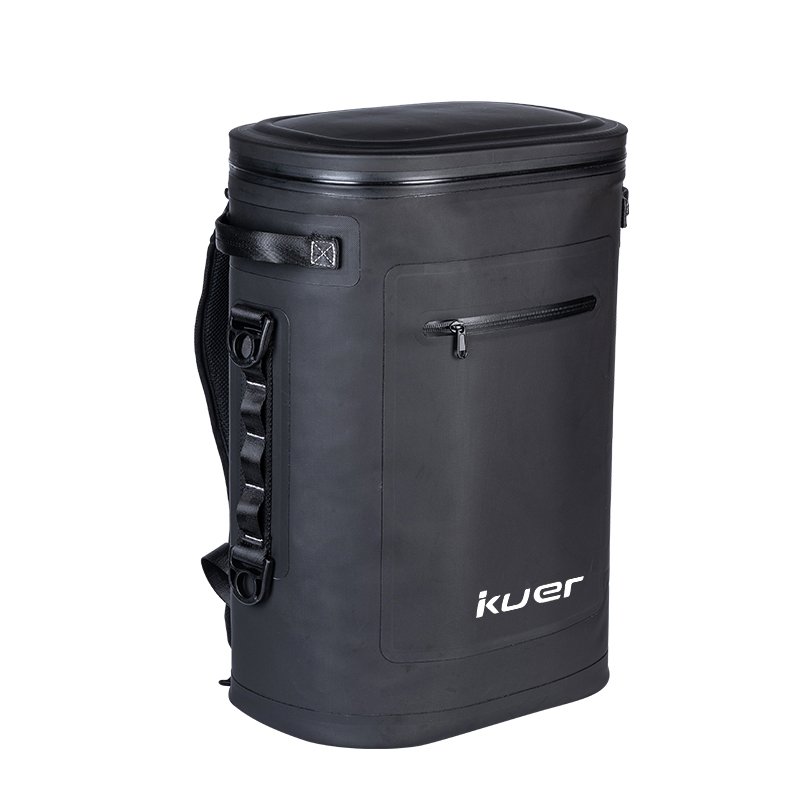
No, you should not put a rotomolded lunch box in the dryer. High heat can damage the insulation and bend the materials inside a lunch box cooler hard like the KUER Hard Lunch Cooler. This cooler is made from food-grade polyethylene and features polyurethane insulation, which keeps food safe and cold for days. These qualities make it the best lunch cooler for outdoor use. A hard lunch box cooler like this requires gentle care to maintain its condition. Simple cleaning and careful drying will protect its structure and seals.
Key Takeaways
-
Never put a rotomolded lunch box in the dryer. High heat can damage insulation and seals, making it less effective.
-
Always air dry your lunch box after cleaning. This prevents mold and keeps it fresh for your next use.
-
Use mild cleaning products like soap, vinegar, or baking soda. Avoid harsh chemicals that can harm the lunch box.
-
Check for hidden moisture in seals and corners. This helps prevent odors and bacteria from growing.
-
Regularly clean and maintain your lunch box to extend its life and ensure food safety.
Why Dryers Are Bad for Rotomolded Lunch Boxes
Insulation Damage
A rotomolded lunch box uses advanced insulation to keep food cold for long periods. The KUER Hard Lunch Cooler relies on food-grade LLDPE and PU foam to maintain temperature. When exposed to the high heat inside a dryer, the insulation can lose its strength. Scientists have studied how heat affects polyurethane foam. They found that high temperatures change the foam’s thermal performance and speed up aging. The foam may lose its ability to keep food cold, and the structure can become weak. Over time, heat can cause the insulation to break down faster than normal. This means the rotomolded lunch box will not work as well and may need to be replaced sooner.
Tip: Always let your rotomolded lunch box air dry to protect the insulation and keep your food safe.
Material Warping
The outer shell of a rotomolded lunch box is made from tough food-grade LLDPE. This material can handle rough use outdoors, but it does not like high heat. When placed in a dryer, the shell can warp or bend. Warping changes the shape of the lunch box and makes it hard to close or carry. The shell may also crack or lose its smooth surface. Scientists have shown that temperature affects the strength and flexibility of polymers like LLDPE. High heat can make the material brittle and less able to protect your food. A warped rotomolded lunch box will not seal properly and may leak.
Seal and Latch Issues
A rotomolded lunch box depends on strong seals and latches to keep food fresh and prevent spills. The KUER Hard Lunch Cooler uses leak-proof seals to stop liquids from escaping. Heat from a dryer can damage these seals. The rubber or plastic parts may melt, shrink, or lose their shape. Latches can also become loose or break if exposed to high temperatures. When seals and latches do not work, the rotomolded lunch box cannot keep food cold or prevent leaks. This makes the lunch box less useful and can lead to spoiled food.
-
Problems caused by dryers:
-
Insulation loses its cooling power.
-
Shell warps and cracks.
-
Seals and latches fail.
-
A rotomolded lunch box works best when kept away from heat. Air drying is the safest way to protect its insulation, shell, and seals.
Proper Care and Cleaning Tips
Daily Cleaning Routine
Taking care of your insulated cooler bag every day keeps food safe. Cleaning it often stops mold and bacteria from growing. Experts say you should clean the lunch box after each use. First, take out crumbs and wipe all surfaces. Use antibacterial wipes inside and outside for a quick clean. Some people mix vinegar and water in a spray bottle to clean and remove smells. Others use hydrogen peroxide and water to disinfect naturally. Spray and wipe the lunch box to finish cleaning. These steps make cleaning easy and help stop stains.
-
Clean the surface every day to get rid of crumbs and germs.
-
Clean while packing lunch so you do not forget.
-
Wipe with antibacterial wipes at the end of each day.
-
Clean inside and outside to stop mold.
Tip: Clean your lunch box after every use to keep it fresh and safe.
Deep Cleaning Steps
Deep cleaning helps remove tough stains and keeps the cooler looking good. Scrub stains with baking soda or use vinegar to clean them. For deep cleaning, soak the lunch box in warm soapy water. Rinse it well and let it air dry to stop mold. Bleach can kill mold but must be used carefully. Commercial cleaners are okay for general cleaning, but check the label for food safety.
|
Cleaning Supply |
Use |
Food-Safe? |
|---|---|---|
|
Baking Soda |
Scrubbing, deodorizing |
Yes |
|
Vinegar |
Stain removal, odor control |
Yes |
|
Bleach |
Mold killing |
Use with care |
|
Commercial Cleaner |
General cleaning |
Check label |
Avoiding Harsh Chemicals
Harsh chemicals can hurt the lunch box. Do not use cleaners with phthalates, lead, BPA, PFAS, or formaldehyde. These chemicals can damage the lunch box and cause stains or bad smells. Cleaning with mild soap and safe cleaners keeps the cooler strong.
|
Chemical |
Use in Materials |
|---|---|
|
Phthalates |
Makes plastics more bendable. |
|
Lead and Heavy Metals |
Found in dyes, paints, or other stuff. |
|
Bisphenol A (BPA) |
Used in some plastics and resins. |
|
PFAS Chemicals |
Makes things water-resistant and stain-resistant. |
|
Formaldehyde |
Used in glues, resins, and coatings. |
Note: Stay away from harsh chemicals to keep your cooler safe and clean.
Maintaining Your Lunch Cooler Bag
Pre-Chilling for Best Results
Pre-chilling helps a lunch cooler bag keep food cold for longer. They place the lunch cooler bag in a cool spot before packing. Some people fill the lunch cooler bag with ice or cold water the night before. This step lowers the temperature inside. They use dry ice or regular ice to boost cooling power. Packing cold food and drinks inside the lunch cooler bag also helps. They store the lunch cooler bag in a cool area for 24 hours before use. These steps make sure the lunch cooler bag stays cold during the day.
-
Place the lunch cooler bag in a cool area before use.
-
Fill the lunch cooler bag with ice or cold water the night before.
-
Use dry ice or regular ice for better cooling.
-
Pack only cold items inside the lunch cooler bag.
-
Store the lunch cooler bag in a cool spot for 24 hours before packing.
Storage and Odor Prevention
Proper storage keeps a lunch cooler bag fresh and odor-free. They rinse the lunch cooler bag right after use. Washing with mild soap removes food and bacteria. Drying the lunch cooler bag completely before storing stops mold and bad smells. Some people use baking soda and vinegar to clean deep inside the lunch cooler bag. They keep the lid slightly open to let air flow. This method prevents moisture from building up. Switching to stainless steel lunch boxes can help avoid odor, but the KUER Hard Lunch Cooler resists smells because of its food-grade materials.
Tip: Always let the lunch cooler bag dry fully before storing to prevent odors.
-
Rinse the lunch cooler bag after each use.
-
Wash with mild soap.
-
Dry the lunch cooler bag completely.
-
Use baking soda and vinegar for deep cleaning.
-
Store with the lid open for air circulation.
Checking for Damage
Regular checks keep the lunch cooler bag working well. They look for cracks, leaks, or broken seals. The KUER Hard Lunch Cooler uses rotational-molded technology and seamless structure for durability. Its food-grade PE materials resist UV rays and stay strong in hot or cold weather.
|
Feature |
Benefit |
|---|---|
|
Rotational-molded technology |
Ensures impact resistance and long-term durability |
|
Seamless structure |
Makes it leak-proof |
|
Food-grade PE materials |
Non-toxic, UV resistant, and stable in hot or cold conditions |
They follow a simple routine to maintain the lunch cooler bag:
-
Rinse with warm water to remove crumbs.
-
Wash all surfaces with mild detergent and a soft sponge.
-
Rinse again to remove soap.
-
Dry the lunch cooler bag completely.
-
Disinfect with a food-safe sanitizer and let it air dry.
-
Clean after every use by emptying food and ice, scrubbing, rinsing, and drying.
-
Store in a cool, dry place with the lid slightly open.
Maintaining your lunch cooler bag helps it last longer and keeps food safe. Regular care protects the seals, prevents odors, and ensures the lunch cooler bag stays ready for every adventure.
How to Dry Your Rotomolded Lunch Box
Air Drying Steps
Air drying is the safest way to keep a rotomolded lunch box in good shape. High heat can damage the insulation and seals. They should always choose air drying after cleaning. Here are the steps for proper air drying:
-
Open the lunch box fully. Remove all trays, dividers, and ice packs.
-
Place the lunch box upside down on a clean, dry surface. This helps water drain out.
-
Leave the lid open. Air can move inside and outside the box.
-
Let the lunch box sit in a well-ventilated area. Fresh air speeds up drying.
-
Wait until every part feels dry to the touch. This may take several hours.
Tip: Never use a dryer or hair dryer. These tools can warp the shell and ruin the insulation.
Using Towels
Towels help remove extra water before air drying. They can use a soft, clean towel to wipe the inside and outside of the lunch box. This step removes most of the moisture. It also helps prevent water spots and streaks.
-
Use a microfiber towel for best results.
-
Pat all surfaces gently. Do not rub hard.
-
Pay special attention to corners and seals. Water can hide in these spots.
After towel drying, they should still let the lunch box air dry. This ensures no moisture stays trapped inside.
Best Places to Dry
Choosing the right place for drying makes a big difference. The best spots have good airflow and are away from direct sunlight or heat sources. Here are some good options:
|
Location |
Why It Works |
|---|---|
|
Kitchen counter |
Easy to reach and check |
|
Near an open window |
Fresh air helps with drying |
|
On a dish rack |
Keeps the lunch box off wet surfaces |
|
Outdoor patio (shade) |
Natural airflow, no harsh sunlight |
They should avoid placing the lunch box near heaters, radiators, or in a hot car. These places can cause damage. A cool, dry spot works best for drying.
Note: Complete drying stops mold and keeps the lunch box fresh for the next use.
Common Mistakes to Avoid
Using Heat or Harsh Cleaners
Many people try to clean their rotomolded lunch box quickly by using hot air or strong chemicals. This method can cause damage. High heat can warp the shell and ruin the insulation. Strong cleaners may leave behind harmful residues. These residues can cause strange odors and even affect the taste of food. Some users only shake out crumbs or wipe spills, but this does not remove bacteria. Safe cleaning products work best. Mild soap and water remove dirt without causing odors. Antibacterial wipes also help keep the lunch box fresh. Using a dishwasher is not a good idea. Dishwashers may not reach every corner, so bacteria can stay hidden and create odor problems.
Tip: Always choose gentle cleaning methods to protect the lunch box and prevent odors.
Closing Before Dry
After washing, some people close the lunch box before it dries. This mistake traps moisture inside. Moisture creates a perfect place for mold and bacteria to grow. Mold can cause strong odors that are hard to remove. Even if the lunch box looks dry, water can hide in the corners or under the seals. Leaving the lid open helps air flow and stops odors from building up. People should always check that every part feels dry before closing the lunch box.
-
Leave the lunch box open until it is completely dry.
-
Wipe all surfaces with a towel to remove extra water.
-
Check corners and seals for hidden moisture.
Ignoring Hidden Moisture
Hidden moisture is a common problem in rotomolded lunch boxes. Spill-proof seals can trap water, especially after cleaning. These dark and damp spots help mold and bacteria grow. Mold causes strong odors that can spread to food. Odors can also stay in the lunch box even after cleaning. People should pay attention to seals and hard-to-reach areas. Good airflow and careful drying stop odors from becoming a problem. Regular checks help keep the lunch box fresh and safe.
|
Mistake |
Result |
|---|---|
|
Using heat or harsh cleaners |
Damaged materials, strong odors |
|
Closing before dry |
Mold growth, trapped odor |
|
Ignoring hidden moisture |
Persistent odors, bacteria |
Note: Preventing odors is easy with the right cleaning and drying habits. A fresh lunch box keeps food tasting good and safe to eat.
Taking care of a rotomolded lunch box helps it stay clean and safe. Experts say you should clean it every day. Always let it air dry after washing. Use gentle scrubbing to remove dirt. Do not use a dryer because it can hurt the insulation and seals. Air drying is the best way to keep it in good shape. Most plastic lunch boxes last about three years if you care for them. Keep the KUER Hard Lunch Cooler open and in a dry spot to stop mold from growing.
Cleaning quickly and drying carefully keeps your lunch box fresh. Everyone can make sure their lunch box is ready for any trip.


 Request a quote
