

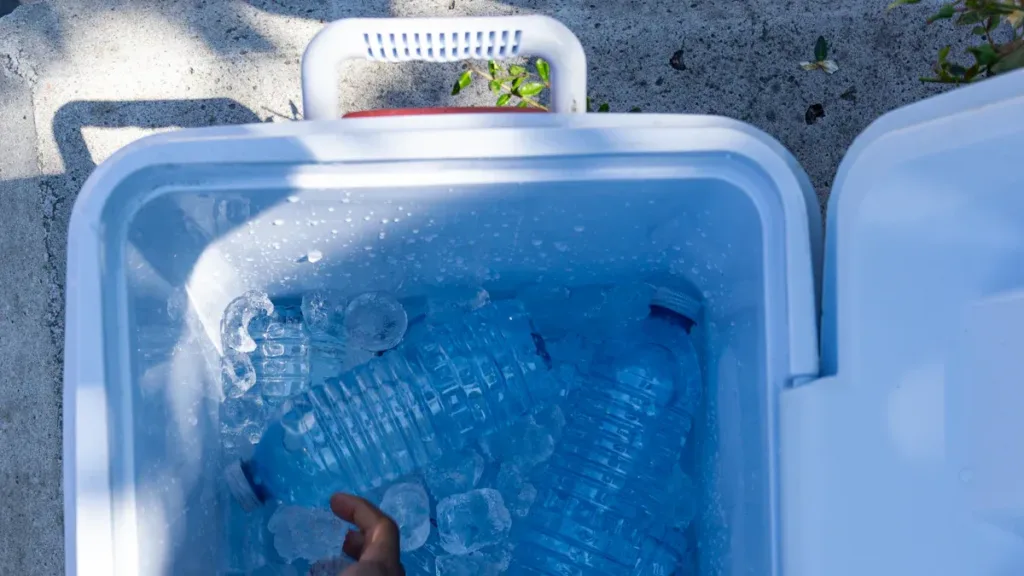
No one should put boiling water in a plastic cooler. The KUER plastic cooler box, like those from leading insulated cooler bag manufacturers, keeps food and drinks cold and fresh. Boiling water can damage the cooler and may release harmful chemicals. Individuals seeking the best cool box prioritize safety and durability.
Always use coolers correctly to ensure both your safety and the longevity of your cooler.
Key Takeaways
-
Do not pour boiling water in a plastic cooler. It might break the cooler and let out bad chemicals.
-
Use metal containers for hot drinks. They are safe and do not put chemicals in your drinks.
-
Let boiling water cool to under 120°F before you pour it in a cooler. This keeps the cooler safe and your drinks healthy.
-
Clean your cooler often to help it last longer. Follow the right cleaning steps so you do not hurt it.
-
Always look at the warranty. If you use boiling water, damage is not usually covered, so use your cooler the right way.
Plastic Cooler Material Limits
Temperature Tolerance
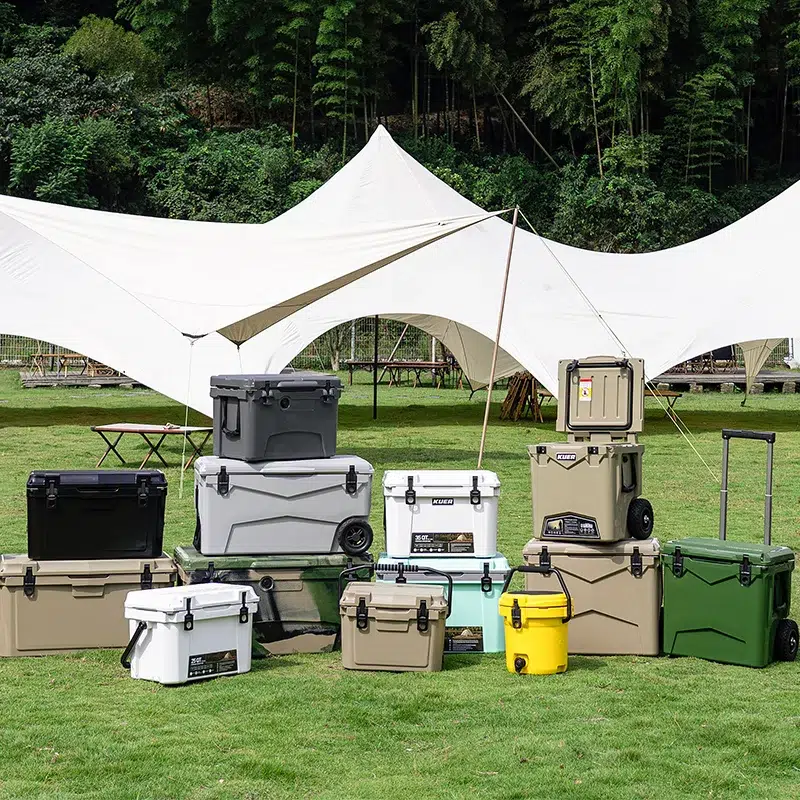
The KUER plastic cooler box is made with rotomolded plastic and thick foam. This makes the cooler strong and helps it keep ice cold for a long time. Rotomolded plastic means the walls are even and thick. Thick insulation helps the cooler keep ice for up to 7 days. The table below lists materials used in KUER and other coolers, plus their good and bad points:
|
Material |
Advantages |
Shortcomings |
|---|---|---|
|
Polyethylene |
Light weight, durable, cost-effective |
Less effective thermal insulation |
|
Roto-molded plastics |
Superior insulation, highly durable, long-lasting |
Heavier and more expensive than standard plastics |
|
Stainless steel |
Highly durable, aesthetic appeal, excellent insulation |
Heavier and usually more expensive |
|
Foam insulation |
Excellent insulation, lightweight |
Less durable than plastic or metal |
Most plastic coolers, like KUER, are made for cold things. They can hold ice, cold drinks, and warm (not hot) liquids. But they are not made for boiling water. These coolers can handle cold and some heat, but not very high heat like boiling water.
Risks of Melting and Warping
Pouring boiling water into a plastic cooler can cause big problems. Science shows there are many risks:
-
Igloo coolers and others are for cold drinks, not hot ones.
-
Boiling water can ruin the foam inside the cooler.
-
The plastic inside may melt or change shape, so the cooler will not work well.
-
Most warranties do not pay for heat damage.
KUER coolers are tough, but they can still get damaged by heat. High heat can make the cooler change shape, make the lid not fit, or cause cracks. This damage can make the cooler not last as long or work as well.
Chemical Leaching
Heat does more than just hurt the cooler. It can also make bad chemicals move from the plastic into the water. Lab tests show:
-
Chemicals like Bisphenol A (BPA) and phthalates can get into water when plastic gets hot.
-
Small amounts of metals like antimony, copper, and zinc can also get in.
-
How much leaches out depends on the plastic and the heat.
These chemicals can be bad for your health if they get in food or drinks. That is why you should never put boiling water in a plastic cooler. Using the cooler the right way keeps your food and drinks safe and helps the cooler last longer.
What Happens If You Do?
Physical Damage
Boiling water can really hurt a plastic cooler. The heat can bend the walls and lid. The cooler might crack or lose its shape. KUER coolers use tough rotomolded plastic. But even these cannot handle boiling water. The insulation inside can break down. The cooler may stop keeping things cold. The lid might not close right. Handles and hinges can get loose or break. The cooler may not stay strong or safe to use.
Health Hazards
Hot water can make chemicals move into the water. These chemicals include BPA and phthalates. Drinking water with these chemicals can be bad for you. Some dangers are:
-
BPA can raise the risk of heart disease and high blood pressure.
-
Phthalates can cause swelling and hurt arteries.
-
Microplastics may get into blood and block arteries.
Doctors say these chemicals can cause health problems over time. People may get higher blood pressure. Arteries can swell and block blood flow. Toxins can hurt blood vessels and cause heart issues later.
Warranty and Longevity Issues
Plastic coolers are made for cold things. Warranties do not cover damage from boiling water. If you pour boiling water in, the warranty may not work. The cooler may not last as long. The insulation and plastic can break faster. Even top coolers like KUER can get ruined if used wrong. Using the cooler the right way helps it last longer. Always follow the instructions to keep your cooler safe and working well.
Safe Alternatives
Using Metal Containers
Many people want to keep drinks hot outside. Metal containers are best for boiling water. They hold heat well and do not let out bad chemicals. Stainless steel thermoses and vacuum flasks keep water hot for a long time. These containers do not get ruined by high heat. The table below shows how different containers keep boiling water hot:
|
Container Type |
Energy Consumption (kW) |
Temperature Retention Effectiveness |
|---|---|---|
|
Non-insulated container |
7.2 |
Low |
|
Insulated container |
2.9 |
High |
Insulated containers use less energy. They keep water hot longer. People can trust them for safe hot drinks.
Cooling Water First
If you want to use a plastic cooler for warm drinks, let boiling water cool down first. Hot water gets safer after waiting a little while. Pouring warm, not boiling, water into the cooler protects it. This helps the cooler last longer and keeps food and drinks safe. KUER coolers work best with cold or cool liquids.
Tip: Let boiling water cool below 120°F (about 49°C) before putting it in any plastic cooler.
Other Safe Methods
There are other safe ways to keep drinks warm outside. You can wrap bottles in towels or blankets to keep heat in. Put hot packs or heat pads near drinks inside the cooler to add warmth. Some people use double-walled mugs or insulated sleeves to keep drinks hot longer. KUER coolers are made for cold things, so these methods help keep you and your cooler safe.
Practical Tips for Cooler Care
Cleaning Safely
Proper cleaning keeps a cooler fresh and ready for every adventure. Users should follow these steps for the best results:
-
Empty the cooler and throw away any leftovers.
-
Rinse the inside with warm water.
-
Scrub all surfaces with a mix of mild soap and water using a non-abrasive sponge. Pay close attention to corners and seals.
-
Wipe the outside with a soft cloth dipped in soapy water.
-
Dry both the inside and outside with a microfiber towel to stop mildew.
People should avoid harsh chemicals and rough scrubbers. These can damage the surface and seals. Cleaning after every trip helps prevent odors and mold.
Tip: For tough stains, a paste of baking soda and water works well. Gently rub it on the stain, then rinse.
Warming Without Boiling Water
Sometimes, users want to pre-warm a cooler before adding food or drinks. They should never use boiling water. Instead, they can fill the cooler with warm tap water (not hot enough to steam). Let the water sit for a few minutes, then pour it out and dry the cooler. This method gently raises the temperature inside, which helps keep food warm for longer.
Other safe ways to keep items warm include wrapping bottles in towels or using heat packs. These methods protect the cooler and keep food safe.
Maintenance Advice
Regular maintenance extends the life of a cooler. The table below shows how different practices help:
|
Maintenance Practice |
Impact on Lifespan |
|---|---|
|
Regular cleaning |
Stops buildup that can cause damage |
|
Inspection of seals |
Finds wear early and prevents leaks |
|
Addressing signs of wear and tear |
Keeps performance high and prevents failures |
|
Monthly checks of hinges and latches |
Makes sure all parts work well |
|
Routine care after each use |
Keeps the cooler in top shape for longer use |
People should check their cooler at least twice a year, especially before and after busy seasons. Good care saves money by avoiding repairs and replacements. It also keeps the cooler working well for many years.
Never put boiling water in a plastic cooler. Very hot water can break the cooler and cause chemicals to get into your drink. This can be bad for your health. Experts say coolers are not safe for cooking or holding hot drinks. Use metal containers for hot drinks instead. Let water cool down before you pour it in. To keep your cooler working well, follow these tips:
-
Wash your cooler every time you use it.
-
Keep it out of the sun when you store it.
-
Fix any problems as soon as you see them.
The table below explains why rotomolded coolers like KUER last longer:
|
Cooler Type |
Durability |
Reusability |
|---|---|---|
|
Rotomolded Coolers |
High |
Yes |
|
Polystyrene Foam |
Low |
No |
Pick safe habits and take care of your cooler. This will help it last for many years.


 Request a quote
