

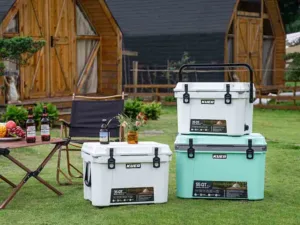
Yes, provided you take the proper precautions, you can absolutely use a plastic cooler to store hot food. Many people mistakenly believe that coolers are designed solely for keeping items cold; however, they are equally effective at helping to keep food warm for several hours. When doing so, it is essential to prioritize safety and ensure that you use a sturdy, high-quality cooler. By selecting the appropriate materials and following a few practical tips, you can successfully protect your food while also properly maintaining your cooler.
Key Takeaways
- A plastic insulated container can keep hot food warm for several hours, provided that it is used correctly. It is essential to select a high-quality container that features excellent thermal insulation properties.
- Before use, preheat the container by filling it with hot water or inserting thermal gel packs. This step helps extend the duration for which the food remains warm—a seemingly simple yet crucial procedure.
- When packing hot food, arrange the items as closely together as possible. It is recommended to wrap the food in aluminum foil to prevent heat loss; if necessary, you may also use towels or blankets to provide additional covering and further enhance insulation.
- Never pour boiling water directly into the container, as this may damage the unit. For safety reasons, please ensure that the temperature of the hot food you place inside is below the boiling point.
- Regularly inspect the container for any signs of damage. After each use, be sure to clean it thoroughly; this not only ensures safe usage but also keeps the container ready for immediate deployment, ensuring it is prepared for your next outing.
Heat Retention in Plastic Coolers

How Insulation Works
You might be wondering: how exactly do plastic coolers manage to keep items hot or cold? The answer lies in “insulation.” Products like KUER coolers typically feature a robust, thick-walled construction filled with polyurethane (PU) foam. It is this foam material that effectively locks in the internal temperature. The function of this insulating layer is to slow down the rate of heat transfer. If you place hot food inside, the cooler keeps it warm; conversely, if you insert cold beverages, the cooler blocks the intrusion of external heat.
Hard-sided coolers—such as those from KUER—that are manufactured using the rotational molding process employ specialized insulation technology. Not only do they offer superior thermal retention capabilities, but they are also exceptionally durable. The table below presents a comparison between different types of coolers:
| Cooler Type | Ice Retention Duration | Insulation Type |
|---|---|---|
| Rotomolded Hard-sided | Up to 7 days | Thick insulation |
| Foam Coolers | ~54 hours | Air pockets in foam |
| Injection-molded Plastic | ~39 hours | Standard plastic |
Rotomolded insulated containers offer optimal thermal insulation, allowing you to maintain the temperature of hot food for extended periods.
Hot vs. Cold Storage
Plastic insulated containers are suitable for storing both hot and cold foods; their thermal insulation properties are effective for both applications. The primary difference between them lies in the rate at which the internal temperature of the container changes.
When storing hot food, the insulation layer effectively locks heat inside the container; conversely, when storing cold food, it prevents external heat from penetrating the interior. The table below illustrates the cold retention duration for various types of insulated containers:
| Cooler Type | Cooling Time (Hours) | Temperature Retention Capability |
|---|---|---|
| Foam Coolers | 54 | Below 6°C for about 54 hours |
| Injection-Molded Coolers | 39 | Warms up faster, cooling time about 39 hours |
| Rotomolded Hard-Sided Coolers | 64 | Keeps items cold for about 64 hours |
Tip: If you wish to keep hot food warm for an extended period, please choose a rotomolded cooler box featuring a thick layer of insulation. Whether storing hot or cold food, it delivers exceptional thermal retention.
Using a Cooler Box
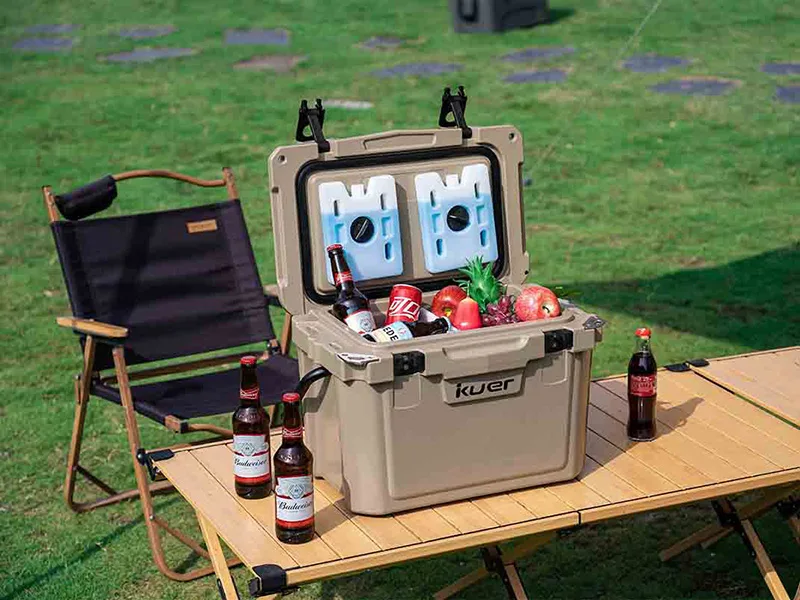
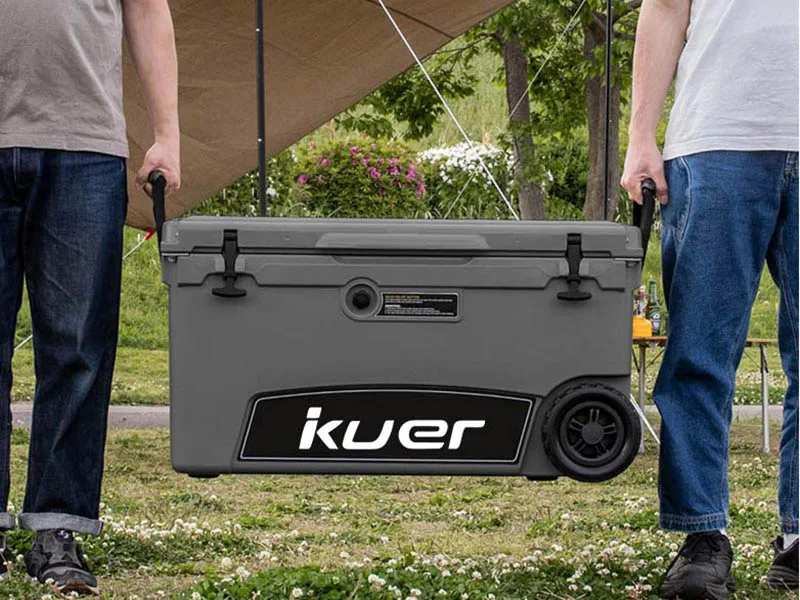
If you want your food to stay hot for extended periods, choosing the right insulated container is crucial. KUER coolers stand out thanks to their rotomolded construction and thick layer of PU foam insulation; this design effectively locks heat securely inside the unit. Furthermore, their UV-resistant material effectively withstands sun exposure, ensuring the cooler remains robust and durable even after countless outdoor adventures. This series offers a wide range of sizes to choose from, ensuring you can always find the perfect option to meet your specific needs.
Preheating the Cooler Box
Preheating your insulated container helps extend its heat retention time. Before placing food inside, ensure that the interior of the container is already warm. Here is a simple method for preheating:
- Pour hot water into the container, or insert a heated gel pack.
- Close the lid and let it sit for approximately 10 to 15 minutes. This step is designed to preheat the insulating layer.
- Pour out the hot water or remove the gel pack. While the residual heat remains inside the container, quickly place your hot food inside.
Tip: Be sure to use hot water, but never use boiling water. Doing so protects the container and ensures its safety for future use.
Packing Hot Items
The way you pack hot food is crucial. Proper packing not only preserves the food’s temperature but also ensures its safety. Consider following these steps:
- Wrap hot food in aluminum foil. This helps trap heat and slows down the rate at which the food cools.
- Use towels, newspapers, or cardboard to fill any empty spaces inside the container. These materials provide additional insulation.
- Pack the food tightly together. The less air trapped inside the container, the less heat will be lost.
- Place the hottest food at the very bottom. Since hot air rises, doing so helps maintain the overall temperature within the container.
- If your insulated container is equipped with dividers or shelves, be sure to utilize them to allow heat to circulate freely around the food.
Packing your food properly allows you to maximize the effectiveness of your insulated container.
Adding Heat Sources
You can add additional heat sources to keep your food warm for even longer periods. Here are some excellent options:
- A hot water bottle filled with warm water (not boiling water).
- A microwaveable heating pad, ideal for short trips.
- Heated bricks or stones. Simply heat them in an oven, wrap them in a towel, and place them inside the cooler.
These heat sources help maintain a stable internal temperature within the cooler. They work in perfect synergy with the KUER cooler’s insulation layers, ensuring your food remains piping hot for hours on end.
Note: Always wrap the heat source in a towel to prevent it from coming into direct contact with the food or the interior walls of the cooler.
By following the steps outlined above, you can ensure that your cooler performs at its absolute best. Thanks to its robust construction and sophisticated insulation design, a KUER cooler is your ultimate ally for enjoying delicious, piping-hot meals—even when you’re out in the great outdoors.
Safety and Risks of Using Plastic Coolers for Hot Items
When using a plastic insulated container to store hot food, it is essential to prioritize safety. You need to protect your food, your health, and your container. Here are the key points you should be aware of.
Avoiding Damage
By following a few simple steps, you can keep your cooler box in excellent condition. Without proper care, high temperatures can sometimes cause damage to the plastic material.
- Never pour boiling water directly into the cooler box. If you need to preheat the interior or add heat, please use hot water (but not boiling water).
- Before placing hot items or heat sources inside, always wrap them in a towel first. This prevents the heat source from coming into direct contact with the plastic surface.
- Immediately clean the cooler box after storing hot items. Rinse away any leftover food scraps or dirt. When cleaning, use warm water, mild soap, and a non-abrasive sponge.
- After washing, thoroughly dry the cooler box. It is recommended to let it air-dry in a well-ventilated area to prevent mold growth and the development of odors.
- Use a soft cloth dampened with a small amount of cleaner to wipe down the exterior of the box; then, use a microfiber towel to thoroughly dry both the interior and exterior.
Tip: Regular cleaning and thorough drying help extend the lifespan of your cooler box, ensuring it remains clean and fresh for every trip.
Chemical Safety
When using plastic insulated containers to store hot food, it is crucial to prioritize chemical safety. Certain plastics may release harmful chemical substances when exposed to high temperatures.
- The use of single-use plastic products for storing hot food should be avoided. These types of plastics are not designed to withstand heat and are prone to leaching chemical substances.
- Experts warn that placing hot food into plastic containers may result in the migration of chemicals—such as Bisphenol A (BPA) and phthalates—into the food itself.
- Bisphenol A (BPA) is an endocrine disruptor. It interferes with the body’s normal hormonal functions and may trigger various health issues.
- Phthalates and bisphenol compounds can give rise to a range of health problems, including endocrine disorders, neurodevelopmental impairments, metabolic disturbances, and reproductive system issues.
- High-temperature environments can accelerate the release of chemical substances from certain plastics, such as PET.
Tip: Always ensure you select high-quality insulated containers made from food-grade, safe materials. KUER insulated containers are crafted from modified Linear Low-Density Polyethylene (LLDPE), a material specifically engineered to deliver both exceptional durability and uncompromising safety.
Food Safety
Ensuring food safety is just as important as maintaining food temperature. If food safety guidelines are not followed, warm environments can foster bacterial growth.
- Before placing hot food into an insulated container (cooler) for storage, allow it to cool to approximately 70°F (about 21°C).
- Never place scalding hot food directly into the insulated container. Doing so helps ensure the food cools down safely and evenly.
- Divide large portions of food into smaller servings. This allows the food to cool down more quickly and safely.
- Use containers that are approximately 2 inches (about 5 cm) deep—or shallower—to facilitate heat dissipation.
- Metal or glass containers are better suited for holding hot food than plastic containers.
- Be sure to wash the insulated container after every use to remove food residue and prevent the growth of bacteria or mold.
Tip: Bacteria multiply very rapidly in warm, moist environments. Always adhere to food safety guidelines to ensure your meals remain safe to eat.
By following the advice above, you can use your insulated container to store hot food with complete peace of mind. With every use, you are safeguarding your own health, your food, and the insulated container itself.
Keeping Food Hot in Your Plastic Cooler
Packing Tips
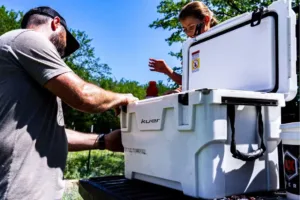
You want your food to stay hot for as long as possible. Start by preheating your cooler box. Fill it with warm water and let it sit for about 30 to 60 minutes. This warms the inside walls. Pour out the water and dry the inside quickly. Place your hot food inside right away to trap the heat.
Here are some best practices for packing hot food:
- Wrap your hot food in aluminum foil. This helps reflect heat back into the food.
- Use shallow containers. These let heat spread evenly and keep food safe.
- Pack food tightly. Less empty space means less heat escapes.
- Add a heat source, like a hot water bottle or a heating pad, to help keep the temperature steady.
Tip: Hard coolers work best for keeping food hot for a long time because they have thick insulation.
Using Towels and Blankets
Towels and blankets can provide additional insulation. You can use them to fill the empty spaces around your food, thereby preventing heat loss. Before placing a container into an insulated box, wrap it in a towel. Additionally, you can drape a blanket over the food to further enhance its heat retention.
Tip: Each additional layer of covering helps keep your food warm for a little longer.
How Long Food Stays Warm
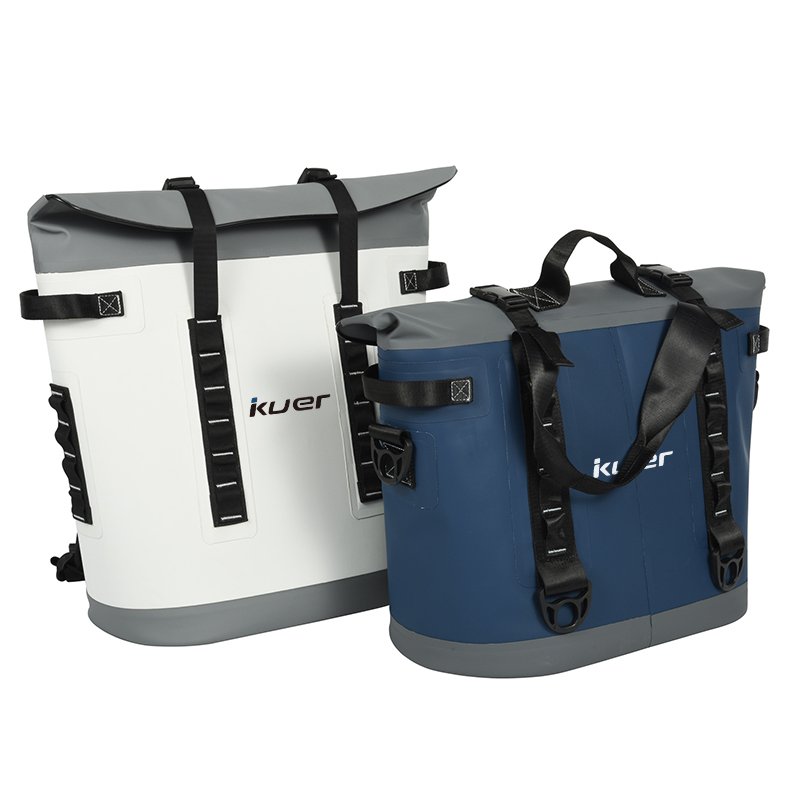
How long food stays warm depends on your packing method and the type of insulated container you use. Hard-sided coolers—such as those from KUER—feature thick insulation layers that can keep food hot for several hours. If you preheat the cooler before adding food and incorporate additional insulation measures, you can extend the heat retention time to as long as 4 to 6 hours. Soft-sided cooler bags are suitable for short trips, though their heat retention duration is relatively shorter.
Tip: Always check the food’s temperature before eating. To ensure food safety, the temperature should consistently remain above 140°F (approximately 60°C).
By following these steps, you can ensure that you always have a piping hot, delicious meal ready to enjoy during your outdoor adventures.
When Not to Use a Cooler Box
Temperature Limits
You should be aware of the safe temperature limits for plastic insulated containers. Most plastic insulated containers—including high-quality models—perform best when holding hot food at temperatures below the boiling point. Using boiling water or extremely hot food may damage the container and could even cause chemical substances to leach into the food.
Most plastic materials are not designed to withstand sustained exposure to temperatures of 100°C. Prolonged exposure to high heat can cause the plastic to degrade and age, creating a potential risk of harmful substances leaching out.
You should always ensure that the temperature of hot food remains below the boiling point. Ideally, food should be kept merely “hot”—that is, no longer actively steaming or bubbling. Doing so ensures both the safety of the container and the hygiene of the food. If you need to keep food warm for an extended period, you can provide additional insulation by wrapping the container in items such as towels or blankets. Never use the insulated container as a cooking pot, and never place it near an open flame.
When storing food, always be mindful of the “Danger Zone.” This specific temperature range creates the ideal environment for rapid bacterial growth.
- Most bacteria reproduce significantly more slowly at temperatures below 40°F (approx. 4.4°C) or above 140°F (approx. 60°C).
- The temperature range falling between these two values is known as the “Danger Zone”; within this range, bacteria can multiply rapidly and explosively.
If you wish to keep your food both safe and hot, you must ensure its temperature remains above 140°F (approx. 60°C). If you are unable to maintain this temperature, be sure to consume the food as soon as possible after packing it.
Signs of Damage
The insulated container should be carefully inspected both before and after each use. Please check for any signs of cracks, deformation, or discoloration. Such signs indicate that the container may have been subjected to excessive heat or rough handling. If any damage is detected, do not use the container to store hot food. A damaged container may fail to provide adequate thermal insulation and could even release harmful chemicals.
Please also check the condition of the lid seal. If the lid does not close tightly, heat will escape, causing the food to cool down rapidly. Furthermore, if the latches are damaged or the gasket is loose, the container will be unable to effectively maintain the food’s temperature—whether keeping it hot or cold—as intended.
If you detect any foul odors or discover stains that cannot be removed through cleaning, this may indicate that bacteria or mold have begun to grow inside the container. Please clean the container thoroughly; if necessary, it should be replaced. Always ensure that you use an insulated container that is in good condition to safeguard food safety and help make your journey more enjoyable.
Provided they are used correctly, you can certainly place hot items inside a plastic cooler. High-quality products—such as KUER coolers—are not only effective at retaining heat but are also highly durable. Modern coolers are typically equipped with a range of specialized features designed to ensure they deliver exceptional thermal insulation performance:
| Feature | Description |
|---|---|
| Insulation | Special insulation keeps things hot or cold for many hours. |
| Durability | Rotomolded coolers do not break easily, even if dropped. |
| Design | Helpful designs make them great for trips and daily use. |
For Best Results:
- After use, please clean and dry your cooler.
- When not in use, store it in a cool, dry place.
- Consider using an insulated cover or gel packs to help retain heat.
Modern coolers make excellent companions for all kinds of adventures.
FAQ
Can you put boiling water in a plastic cooler?
Never pour boiling water into a plastic insulated container. High temperatures may damage the plastic material, causing it to deform. When preheating the container or keeping food warm, please be sure to use hot water, but strictly avoid using boiling water.
How long will hot food stay warm in a cooler box?
When using a high-quality cooler like the KUER, hot food can be kept warm for 4 to 6 hours. For optimal heat retention, it is recommended to preheat the cooler beforehand and use it in conjunction with a towel or blanket.
Is it safe to store cooked food in a plastic cooler?
Yes, provided you follow food safety guidelines, you can store cooked food in a plastic insulated container. Please ensure that the food temperature remains above 140°F. Be sure to use clean containers and pack the food tightly to maintain both its temperature and safety.
What accessories help keep food hot in a cooler?
You can use towels, blankets, or gel packs to enhance heat retention. Hot water bottles and heating pads also help keep food warm. Be sure to wrap the heat source to protect both your insulated container and your food.
 Request a quote
