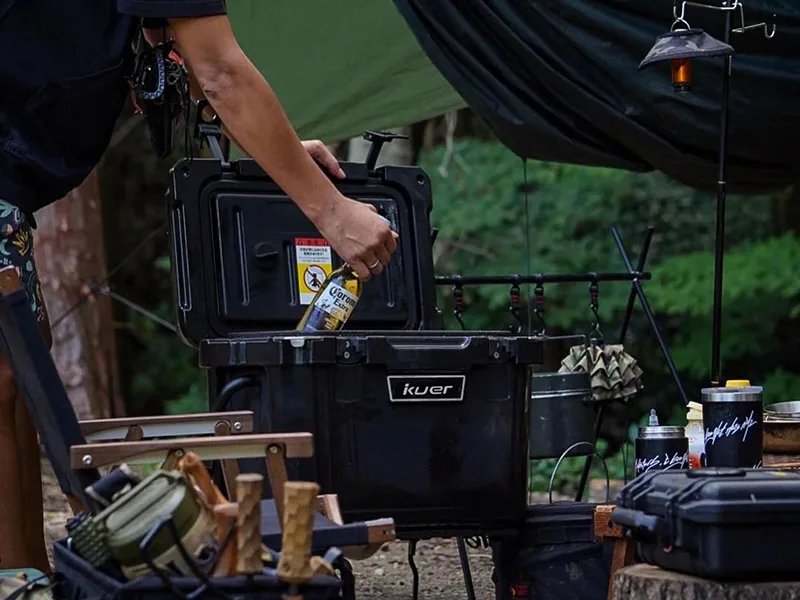

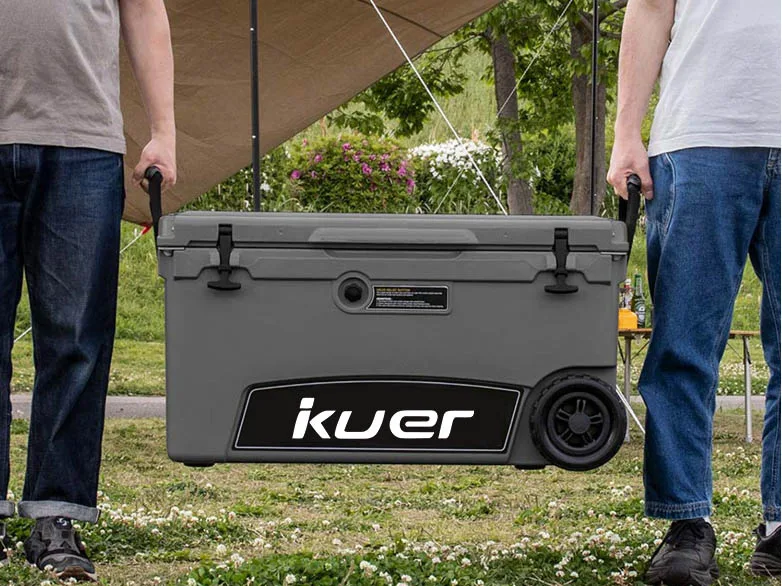
Plastic insulated boxes can keep hot food warm for hours. These boxes feature thick insulation that effectively locks in heat. The KUER 110QT rotationally molded rigid insulated box, Type B (with wheels), is sturdy and durable and won’t soften even when heated. This insulated box maintains a constant temperature, ensuring food safety. Many people use these insulated boxes outdoors to store hot and cold food.
Key Points
- Plastic cooler box can keep hot food warm for hours due to their thick insulation. They help maintain food temperature during outdoor activities.
- Preheat the insulated box with hot water or a hand warmer before placing food inside. This simple step helps keep food warm for longer.
- Choose a safe container such as glass or stainless steel to prevent chemicals from seeping into the food. Avoid direct contact between hot food and the plastic parts of the insulated box.
- Place the hot food securely in the center of the insulated box and wrap it with a towel. This minimizes air gaps and prevents heat loss.
- Always clean the insulated box after each use to prevent bacterial growth. A clean insulated box ensures your food is safe for your next outing.
Can plastic coolers keep food hot?
Insulation and Heat Retention
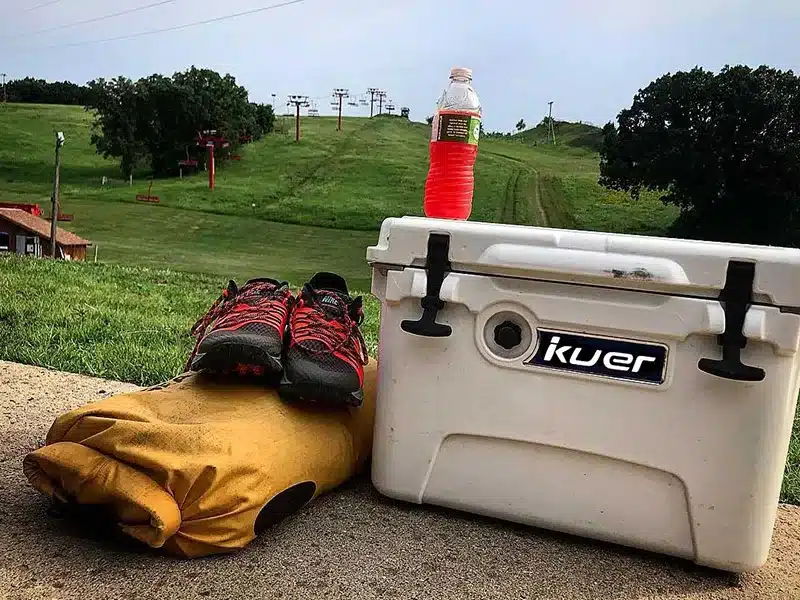
Plastic insulated boxes feature a thick insulation layer to help maintain food temperature. The KUER 110QT rotationally molded rigid insulated box (with wheels) has a sturdy outer shell and a thick foam lining. These components effectively prevent heat loss. Polyurethane foam and polyethylene materials make the insulated box durable and help maintain internal temperature. The foam is filled under pressure, locking in air and preventing heat loss.
| Feature | Description |
|---|---|
| Insulation Type | Thick polyurethane insulation |
| Cooler Design | Seamless rotomolded shell |
| Ice Retention Duration | 5 to 7 days in hot weather |
| Heat Transfer Prevention | Effectively blocks heat transfer |
| Feature | Description |
|---|---|
| Insulation Type | High-density foam liner |
| Cooler Design | Rotomolded hard-shell construction |
| Ice Retention Duration | Keeps ice frozen for days |
| Heat Transfer Prevention | Thick walls and tight seal |
Premium refrigerators use thick foam to lock in air and block heat. Closed-cell foam is waterproof and prevents heat loss. The refrigerator walls are filled with polyurethane foam, forming a thick insulation layer. The robust shell is made of polyethylene. These properties help maintain food temperature during transport.
Plastic refrigerators cannot keep food above 140°F like insulated lunch boxes. Insulated boxes are robust and durable, with a large capacity, but dissipate heat faster than dedicated insulated containers. To maintain food temperature, the insulation performance of the insulated box and the loading method should both be considered.
Pre-Warming Techniques
Preheating the insulated box helps extend the time food stays warm. The following methods can be used to preheat the insulated box before placing hot food inside:
- Pour hot water into the insulated box for a few minutes, then pour it out before placing the food inside.
- Use a hand warmer or hot water bottle to keep the food warm.
- Line the inside of the insulated box with a towel or aluminum foil to help retain heat.
- Use an insulated container to store the food to maintain its temperature.
- Fill the insulated box as full as possible to reduce airflow, which helps retain heat.
- Place a heating brick wrapped in a towel to enhance insulation.
Tip: Warm up the insulated bag by putting a hot towel or a bottle with hot water inside for a few minutes. This helps food stay hot longer.
These tips can help you keep food warm while traveling or engaging in outdoor activities. Preheating the insulated box, using heating packs, or insulated containers are also very effective. Try these methods for best results if you want to keep your food warm.
Safe Use of Plastic Coolers for Hot Items
Choosing the Right Containers
People need to choose containers that ensure food safety. Glass containers have the advantage of not deforming when heated. Stainless steel containers are heat-resistant and do not release chemicals. Food-grade silicone containers are flexible and heat-resistant. These containers prevent plastic containers from melting or chemicals from seeping into food.
| Container Type | Benefits |
|---|---|
| Glass containers | Strong, safe for heating and storing, does not let chemicals out. |
| Stainless steel | Very strong, handles heat, does not let chemicals out. |
| Food-grade silicone | Bends easily, safe for heat, good for storing and heating, BPA-free. |
Tip: Always use containers labeled “Food Safety”. Do not place hot liquids directly into the insulated box. This protects the insulated box’s insulation and outer shell.
Packing and Layering Strategies
Packaging and layering help maintain food temperature. Here are some insulation methods:
- Place hot food in the middle of the insulated box. Wrap it with a towel or insulating film.
- Use well-sealed containers to prevent leaks and maintain internal temperature.
- Seal all gaps with towels or strips of cloth. This helps raise the temperature of the cooler and prevents airflow.
- Store raw and cooked foods separately to prevent bacterial growth.
Preheat the cooler with hot water for a few minutes before placing food inside. This helps the cooler keep food warm for a longer time.
Using Heat Sources
To keep food warm, people can use hand warmers, hot water bottles, or heating blocks. These items raise the temperature and help keep food warm during transport. Phase change material (PCM) hand warmers, designed for high-temperature environments, are equally effective. KUER coolers’ robust construction and thick foam help maintain internal temperature and protect food.
| Feature | Description |
|---|---|
| Insulation Type | Thick polyurethane foam keeps heat inside |
| Performance with Hot Items | Stays cold even when holding hot food |
| Construction Type | Rotomolded shell is tough and good for outside use |
Plastic coolers like the KUER 110QT have strong insulation and tough shells. People who use these tips can keep food warm and safe.
Risks and Limitations of Plastic Coolers
High Temperature Damage
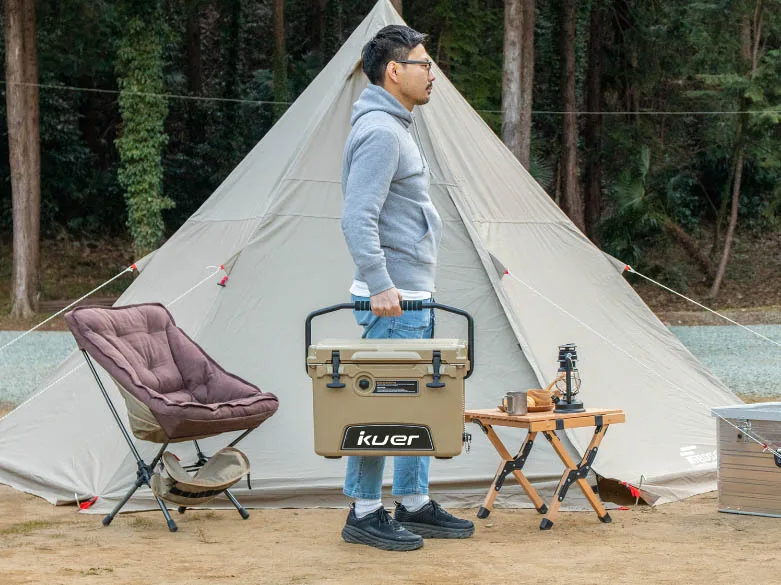
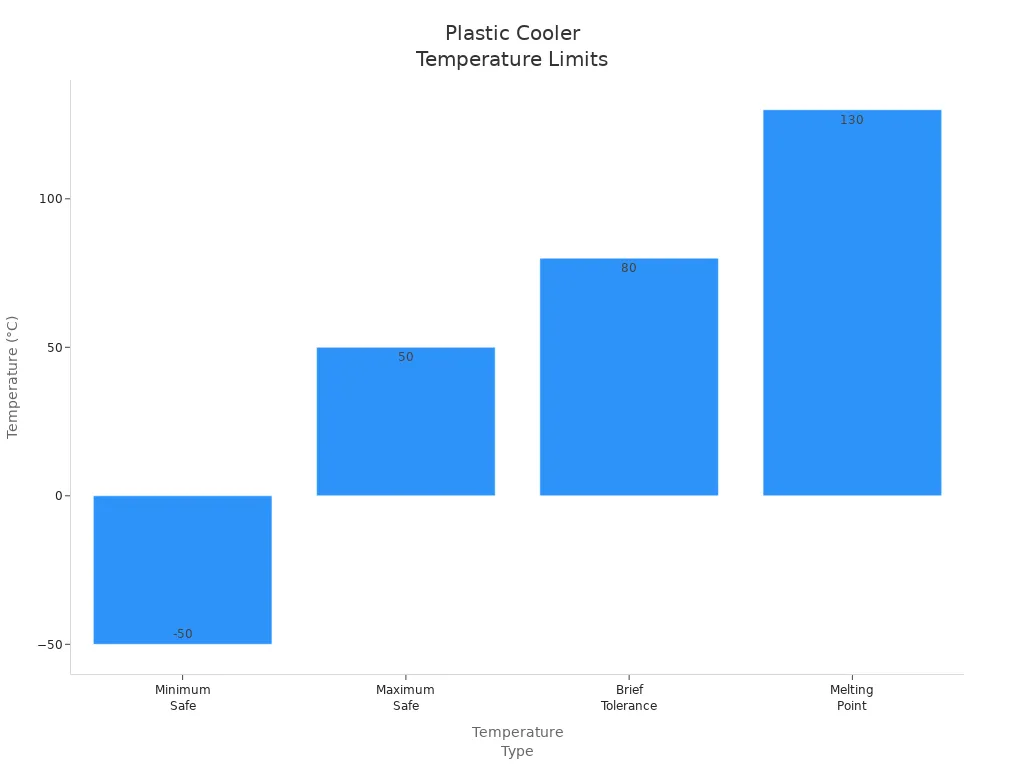
Plastic insulated boxes are sturdy and durable with thick insulation. However, they can only withstand certain temperatures. Most insulated boxes have a safe maximum temperature of 50°C (122°F). If the temperature is too high, the insulated box may soften or deform. Sometimes, the temperature can spike to 80°C (176°F) in a short period of time. Prolonged exposure to high temperatures can damage the insulated box. Many plastics have a melting point of 266°F (130°C). Food or containers exceeding this temperature limit should not be placed in insulated boxes.
| Temperature Type | Temperature (°C) | Temperature (°F) |
|---|---|---|
| Minimum Safe Temperature | -50 | -58 |
| Maximum Safe Temperature | 50 | 122 |
| Brief Tolerance (Spikes) | 80 | 176 |
| Melting Point | 130 | 266 |
Chemical Safety Concerns
The plastic inside the insulated box may release chemicals when heated. Studies have shown that plastics begin to release phthalates above 104°F (40°C). Similar chemicals are released when heated.
- Plastics release phthalates above 104°F (40°C).
- The longer plastics are kept warm, the more chemicals are released.
- High temperatures cause bottles and containers to release chemicals.
- Leakage rates increase at temperatures above 100°F (38°C).
- Even BPA-free bottles will still release chemicals at high temperatures.
Note: Always use containers marked as food-safe. Do not let hot food touch the cooler’s plastic shell.
Manufacturer Guidelines
Manufacturers set safe temperature ranges for their insulated food coolers. KUER recommends following the instructions to protect your cooler. Never pour boiling water directly into the cooler. Use well-insulated containers and avoid direct contact between food and the plastic outer shell. Always consult the user manual for safety tips. Following these rules will ensure food safety and prevent damage to your cooler.
Alternatives to Plastic Coolers to Keep Food Hot
Insulated Cooler Bags
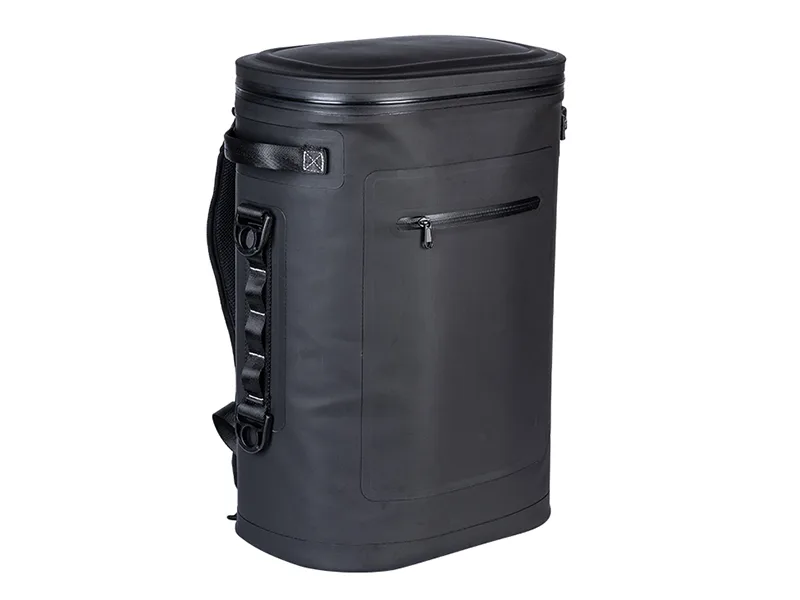
Insulated bags are an easy way to keep food warm. These bags have thick padding and a shiny lining that effectively locks in heat. People use insulated bags for short trips or to take lunch to school. Most insulated bags can keep hot food warm for 2 to 4 hours. High-quality insulated bags can keep cold food cold for up to 14.5 hours, but hot food will stay warm for a slightly shorter time. Insulated bags are ideal for commuters, students, and anyone who needs to carry food for several hours.
- Insulated bags are lightweight and portable.
- They do not require a power source or batteries.
- They can be packed into backpacks or lunch bags.
- They are best suited for short trips or quick meals.
Plastic insulated containers, such as rotomolded insulated containers, can keep food cold for extended periods. Some insulated containers can even keep ice frozen for over 63 hours. Insulated bags are suitable for keeping hot food warm for short periods. For long trips, insulated containers are a better choice.
Other Heat Retention Options
Many people use other products to keep food warm. Insulated bags and electric lunch boxes are common choices. Insulated bags use insulating materials and are less expensive. Electric lunch boxes use electricity to heat food and can keep it warm for several hours.
| Feature | Thermal Bag | Electric Lunch Box |
|---|---|---|
| Average Price | $10 – $25 | $30 – $80 |
| Heating Method | Passive insulation | Active electric heating |
| Heat Duration | 3–5 hours | Continuous while powered |
| Power Required | None | USB or 12V outlet |
| Portability | Lightweight | Bulkier |
| Durability | High | Moderate |
| Best For | Short commutes | Long drives |
Sarah is a nurse. She uses an insulated lunch box to keep her soup warm until lunchtime. James is a truck driver. He uses an electric lunch box to enjoy hot meals after long drives. These different insulation methods help people keep food warm. Insulated lunch boxes are suitable for short trips, while electric lunch boxes are better suited for long drives or working far from home.
Tip: Pick the right product based on how long you need to keep food hot and where you plan to eat.
Common Questions About Plastic Coolers and Hot Items
Duration of Heat Retention
Many people wonder how long an insulated box can keep food warm. The answer depends on how the box is prepared and how the food is packaged. Thick insulation and careful packaging help extend the insulation time. Some insulated boxes, such as the KUER 110QT, can keep food warm for several hours. If hot bricks or hot water bottles are used, the insulated box can even keep food warm for up to 24 hours.
If you prepare the insulated box correctly and follow the steps mentioned above, such as placing hot bricks or hot water bottles inside, then the insulated box can indeed keep food warm for up to 24 hours.
Insulated boxes retain food best when fully filled. The less air inside the box, the less heat is lost. People should use insulated containers and wrap food in towels to maintain its temperature.
Suitability for Wet Foods
Insulated boxes can safely hold moist foods. Thick walls and a tight seal prevent leaks and spills. Insulated boxes are often used to transport soups, stews, and sauces. They should always use containers with airtight lids to prevent spills. Insulated containers can keep moist food warm for longer periods. Insulated boxes ensure food safety and prevent spills during transport.
Cleaning After Use
Cleaning the insulated box after storing hot food is crucial. Incomplete cleaning can lead to food residue and bacterial growth. Please follow these steps:
- Remove all leftover food, melted ice, and debris from the insulated box to prevent mold and bacteria growth.
- Rinse the insulated box thoroughly with clean water to remove loose dirt and spills, paying special attention to corners and drainage areas.
- Using a soft-bristled brush and a mild detergent, gently scrub the inside and outside surfaces of the insulated box with warm water.
- If necessary, soak the insulated box in warm soapy water for 30 to 60 minutes to remove stubborn stains.
- Clean moldy areas with a bleach solution or white vinegar, let it sit for 10-15 minutes, then rinse thoroughly.
- Before storing, ensure the insulated box is completely dry to prevent moisture absorption and odor development.
Tip: Drying the cooler fully stops bad smells and keeps it ready for the next use.
Cleaning the insulated box after each use will extend its lifespan and maintain safety. Always check for food residue and clean all surfaces.
Plastic insulated boxes, such as the KUER 110QT, can keep food warm for several hours. Use safe containers and avoid direct contact between hot food and the insulated box. Follow relevant guidelines to prevent damage from high temperatures. Insulated boxes are ideal for outdoor activities and travel. Always check the insulated box’s insulation time before use and pack food tightly. If longer insulation is required, consider alternative methods.
Remember: Clean the cooler after each use to keep food safe and fresh.
FAQ
How long can an insulated box keep hot food warm?
An insulated box can keep hot food warm for several hours. The insulation layer slows down heat loss. Packing food tightly and using a hand warmer can extend the warming time. Most insulated boxes are best suited for short trips or activities.
Can an insulated box store both hot and cold food at the same time?
An insulated box can store both hot and cold food, but they must be stored separately. Use different containers and place towels between the compartments. This helps maintain a stable temperature and prevents food from mixing.
Can I put boiling water in an insulated box?
Boiling water should not be poured directly into an insulated box. High temperatures can damage the insulation layer and the box itself. When storing hot drinks, always use heat-resistant containers.
How do I clean an insulated box after storing hot food?
Cleaning an insulated box requires removing all food, rinsing with water, and then scrubbing with mild soap. Thoroughly drying the insulated box will prevent odors and make it ready for immediate use.
Are insulated boxes suitable for transporting soups and stews?
Insulated boxes are ideal for transporting soups and stews. Please use a well-sealed, leak-proof container and tighten the lid. The insulation helps maintain the food’s temperature and prevents spillage during transport.

 Request a quote
