

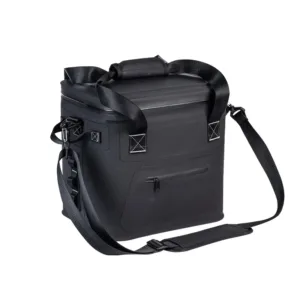
Yes, you can bring an insulated lunchbox on the plane! Just follow a few important rules. The Transportation Security Administration (TSA) and airlines are most concerned about the items you carry, the amount of liquids, and the size of your insulated box. Don’t worry—as long as you understand the regulations, you can easily pass through security with your favorite snacks and meals.
Key Takeaways
- You can bring a lunch cooler on board, as long as it complies with TSA regulations.
- Ice packs must be completely frozen; partially melted ones should be placed in checked baggage.
- Solid food is allowed in carry-on baggage with no volume restrictions.
- Liquids must follow the 3.4 oz (100 ml) limit rule.
- Bringing your own cooler can help save money and support healthier eating during your flight.
- Always check your airline and destination regulations before traveling.
TSA Rules for Lunch Coolers
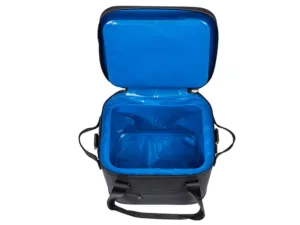
Bringing a lunch cooler will make your flight more comfortable, but you need to understand the regulations of the U.S. Transportation Security Administration (TSA) before packing. These regulations will help you pass through security smoothly and avoid any unexpected situations. Let’s take a look at what you need to know.
Carry-On vs. Checked Bags
You can bring a lunch cooler as carry-on or checked baggage, but the regulations differ. Here’s a brief overview of how the U.S. Transportation Security Administration (TSA) handles different items in a cooler:
| Item Type | Carry-On Rules | Checked Bag Rules |
|---|---|---|
| Lunch Coolers | The 3-1-1 liquid rule must be followed; ice packs must be completely frozen. | You can put in partially melted ice packs; there is no limit to the amount of liquid. |
| Canned Foods | It is allowed, but inspection is recommended as it contains liquid. | Generally, it is permitted and unrestricted. |
| Cheese | Solid cheeses are allowed; soft cheeses exceeding 3.4 ounces must be inspected. | Soft cheese can be added in any size. |
| Dips and Spreads | Small quantities are permitted for consumption; large containers are subject to inspection. | There are no size restrictions. |
| Frozen Foods | It must be completely solidified; partially melted items must comply with rule 3-1-1. | There are no restrictions on frozen foods. |
| Fruits and Veggies | Allowed, but please check the destination restrictions. | Allowed, but please check the destination restrictions. |
| Meats and Seafood | Allowed, but the cooling equipment must be frozen; additional checks may be required. | The use of cooling equipment is permitted without restriction. |
Note: Please be sure to check the regulations of your airline. Some airlines have size restrictions for refrigerated containers, or additional regulations for international flights.
3-1-1 Liquids Rule
When packing your lunch insulated box, always remember the “3-1-1” rule. The U.S. Transportation Security Administration (TSA) only allows liquids, gels, and aerosols with a volume not exceeding 100 ml (3.4 oz). All of these containers must be packed in a 1-quart (approximately 1 liter) bag.
- Beverages, soups, yogurt, and sauces are considered liquids or gels.
- Solid foods such as sandwiches, fruit, and chips have no volume restrictions.
- Ice packs must be completely frozen at security. If ice packs are slushy or partially melted, they are considered liquids and must adhere to the “3-1-1” rule.
- If properly labeled and packaged, up to 2.5 kg (5.5 lb) of dry ice is allowed.
There are some exceptions. If you are traveling with an infant or have medical needs, you may carry larger quantities of liquids, such as formula, breast milk, or medication. Simply inform a TSA officer at security.
Note: Parents may bring more than the 3.4 ounce (about 100 grams) limit for milk, formula, bagged fruit puree, applesauce, and baby yogurt if they inform the Transportation Security Administration (TSA) staff.
Prohibited Items
For everyone’s safety, the U.S. Transportation Security Administration (TSA) stipulates that certain items are absolutely prohibited from being packed in your lunch cooler. The following items are prohibited:
- Alcoholic beverages with an alcohol content exceeding 140% (70% ABV)
- Unlabeled or unsealed containers of unknown liquids
- Large quantities of liquid food in carry-on baggage (each container exceeding 3.4 ounces)
- Any items that may be considered dangerous or flammable
Most solid food items are permitted, and you can bring any amount of food as long as your bag can hold it. However, please remember that some countries have their own regulations regarding the carrying of fruits, meats, or dairy products if you are traveling internationally.
Knowing these TSA regulations will allow you to pack your lunch cooler with peace of mind. Before your flight, be sure to double-check the relevant regulations of the TSA and your airline. This way, you can easily enjoy snacks and meals at the airport.
Types of Lunch Coolers Allowed
When traveling by air, there are many options for bringing food. Each type of lunch cooler has its own advantages and disadvantages. Let’s take a look at which foods you can bring and which one is best for your trip.
Soft Lunch Coolers
Soft-sided insulated lunch cases are a popular choice for air travel. They come in a variety of sizes, colors, and styles. They usually come with a handle or shoulder strap for easy carrying through the airport.
Here are some reasons why you might like a soft-sided insulated lunch case:
- Lightweight and portable
- Foldable or compressible for easy storage under your seat or in the overhead bins
- Available in various sizes, suitable for storing snacks or meals
- Keeps food cold for several hours
- Easy to clean after your trip
- Many soft-sided insulated cases are made from recycled materials, helping to protect the environment
- Stylish designs and a variety of colors to suit your individual needs
You should also be aware of some drawbacks:
- Their cooling time may not be as long as hard-sided insulated cases
- They typically have a smaller capacity than hard-sided insulated cases
If you want a simple, lightweight, and easy-to-store insulated case, a soft-sided insulated lunch case might be the best choice for you.
Hard Lunch Cooler
Hard-sided insulated lunch cases offer superior protection and insulation. They are ideal if you need to keep food fresh for extended periods or store items easily crushed by soft packaging.
A few things to note:
- Hard-sided insulated cases are sturdy and durable, effectively protecting food from impacts.
- They keep ice and food at low temperatures for longer.
- They can be used for both carry-on and checked baggage.
- There are no strict size restrictions, but please ensure they comply with airline carry-on baggage size regulations.
- If you use dry ice for preservation, the weight limit is 2.5 kg (5.5 lbs).
However, hard-sided insulated cases can be heavier and larger, which may make them less convenient to carry in crowded airports. If you plan to check baggage or need to keep food fresh during long-haul flights, a hard-sided insulated lunch case is a good choice.
KUER Hard Lunch Cooler Features
If you’re looking for a distinctive hard-shell insulated box, the KUER hard-shell lunchbox is definitely worth considering. Here’s a simple comparison to help you understand its pros and cons compared to soft-shell insulated boxes:
| Feature | Hard Lunch Cooler (KUER) | Soft Lunch Cooler |
|---|---|---|
| Weight | Heavier, sturdy build | Lighter, easy to carry |
| Insulation | Keeps ice for 5–7 days | Good for a few hours |
| Portability | Best for car trips or stationary use | Great for walking and day trips |
| Handles/Straps | Heavy-duty handles | Ergonomic straps and handles |
| Storage Capacity | Holds more food and drinks | Usually smaller |
| Cleaning | Easy with large leak-proof drain | Quick wipe-down |
| Durability | Withstands impacts and UV rays | Durable, but less rugged |
Tip: If you need to travel long distances or keep food fresh for extended periods, a hard-shell lunch cooler like the KUER will give you peace of mind.
Insulated Bags
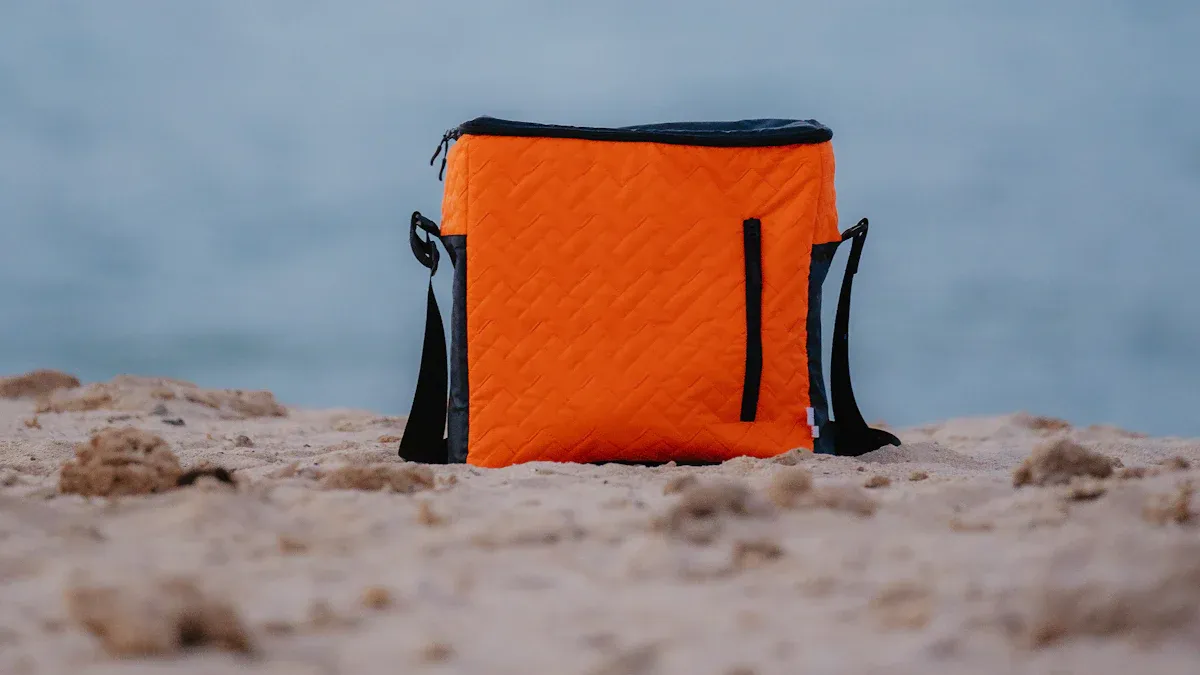
Insulated bags are another smart choice for air travel. They look like ordinary canvas bags or lunch bags, but are lined with special materials that can keep food warm or cold.
Why choose an insulated bag?
- Lightweight and portable
- Flexible shape, suitable for small spaces
- Perfect for short trips or carrying snacks
- Affordable and reusable
Insulated bags are very practical if you only need to keep your food cold for a few hours. While they are not as sturdy and durable as hard-shell coolers, they are ideal for short flights or those who need a simple cooling solution.
Please remember: Regardless of the type of insulated bag you choose, always make sure its size complies with airline regulations and the Transportation Security Administration (TSA) regulations regarding food and ice packs.
Packing Your Lunch Cooler
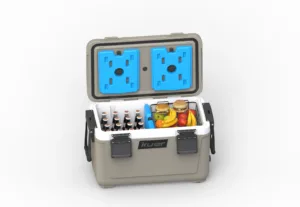
Approved Foods
You want to bring some food that will pass through security and taste good on the plane. The U.S. Transportation Security Administration (TSA) allows many types of food, but some have special regulations. Please see the table below for a quick guide:
| Food Item | Allowed/Prohibited | Notes |
|---|---|---|
| Mashed Potatoes | Allowed | No liquids over 3.4 ounces. |
| Meats and Seafood | Allowed | Subject to extra screening. Ice packs must be completely frozen. |
| Pies, Cakes, Baked Goods | Allowed | May need extra screening. |
| Canned Foods | Allowed | Best in checked luggage due to liquid content. |
| Cheese | Allowed/Prohibited | Solid cheese is fine; soft cheese over 3.4 oz is not. |
| Dips and Spreads | Allowed/Prohibited | Snack-sized portions are okay; large containers must be checked. |
| Frozen Foods | Allowed | Must be solid; ice packs must be frozen. |
| Fruits and Veggies | Allowed | Check destination rules, especially for Hawaii. |
You should avoid bringing strongly scented or noisy foods, such as tuna or pistachios. Choose snacks that stay fresh at room temperature, such as cookies, granola bars, or apples. Foods high in water content, such as watermelon or cucumber, are also good choices.
Ice Packs and Frozen Bottles
Keeping food refrigerated is crucial. The U.S. Transportation Security Administration (TSA) allows you to carry ice packs and freezer containers, but they must be completely frozen when going through security. If they begin to thaw, they will be considered liquids and subject to the 3-1-1 rule. Here is a brief overview of the relevant guidelines:
| Item Type | TSA Guidelines |
|---|---|
| Ice Packs | The sample must be completely frozen during screening. If it is thawed, it must comply with the 3-1-1 rule. |
| Gel Packs | Freezing is permitted for use; medical gel packs may be used even if not frozen. |
| Individual Packs | Please place it in a separate screening box. |
| Multiple Packs | Using an insulated box can extend the freezing time; if you are carrying a large quantity, please inform the U.S. Transportation Security Administration (TSA). |
| Dry Ice | The number of items allowed is limited; please inform your airline before boarding. |
Pre-cool the insulated box and all food before packing. This helps keep the food at a low temperature for a longer time.
Leak-Proof Packing Tips
Nobody wants a wet bag. Try these tips to keep your journey leak-free:
- Use a thick-walled, hard-shell insulated box for better insulation.
- Clean the insulated box before packing to ensure food safety.
- Store raw meat and drinks in separate containers.
- Use leak-proof containers for all food.
- Refrigerate everything before packing—do not put warm food in.
- Fill gaps with ice packs or towels to keep food cold.
- Open the insulated box only when needed and close it quickly afterward.
Tip: Place a small thermometer in your lunchbox. Ensure the temperature remains at 40°F (approximately 4°C) or below to ensure food safety.
Benefits of a Lunch Cooler on a Plane
Save Money and Eat Healthy
Bringing your own food on a flight can save you a significant amount of money. Airport meals are typically much more expensive than those outside the airport. Here’s how much you can save by bringing your own lunch:
- You can save $20 or more per meal by bringing your own food.
- Airport meals are typically 15% to nearly 50% more expensive than those outside the airport.
- At some airports, such as Los Angeles International Airport, the price can be as high as 47.45%.
Bringing your own food also helps with healthy eating. Many airport meals are heavily processed and contain a lot of additives. By planning ahead and using an insulated lunchbox, you can bring fresh, nutritious food to keep you energized and refreshed. You can choose what to eat and avoid greasy or sugary foods that can make you feel tired.
Bringing your own food is simple and beneficial. You’ll feel better and stay full longer.
Convenience for Special Diets
If you have food allergies or require a special diet, finding suitable food at the airport can be difficult. A lunch cooler makes it easy to meet your needs. Here’s why:
- The cooler keeps your food and drinks cold, which is crucial for safety and medication preservation.
- You can bring your own food without worrying about airport catering.
- Ice packs help keep food at the right temperature, even on long flights.
You can control your nutrition and avoid the hassle of finding safe food.
Food Safety and Freshness
Keeping food safe and fresh is crucial, especially during long journeys. Studies show that using insulated containers with high-performance ice packs can reduce temperature fluctuations and extend the shelf life of food. The USDA recommends keeping refrigerated food at 40°F (approximately 4°C) or below, but ordinary lunchboxes often fail after 20 minutes. A good lunchbox can help keep food at the right temperature, eliminating worries about spoilage.
With the right insulated box, you can enjoy fresh and delicious meals no matter how long your journey.
You can bring an insulated lunchbox on board, but you must comply with the regulations of the U.S. Transportation Security Administration (TSA) and the airline. Here are some key points you should keep in mind:
| Food Type | Carry-On Rules | Checked Luggage Rules |
|---|---|---|
| Solid Foods | Unrestricted. | Unrestricted. |
| Liquids | Each quart bag contains no more than 3.4 ounces. | Allow the use of larger containers. |
| Frozen Foods | Complete freezing is required during screening. | Allow without restrictions. |
| International | Check the local regulations at your destination. | Check the local regulations at your destination. |
Airports and airlines frequently update their websites, so please check the latest regulations before your flight. For a smooth journey, try these steps:
- Freeze ice packs.
- Use a lightweight insulated bag.
- Pack liquids properly.
- If using dry ice, label it.
- Consult customs before traveling internationally.
- Store your insulated bag properly during your trip.
An insulated lunch bag helps you eat healthily, save money, and ensure food safety, especially on long journeys or when you have special dietary needs.
FAQ
Can I bring a lunch cooler as my personal item?
Of course! Most airlines allow insulated lunchboxes as personal items, as long as they can be placed under your seat. Be sure to check the airline’s size regulations before packing.
Do ice packs count as liquids at TSA security?
If your ice pack is completely frozen, the TSA will treat it as a solid. If the ice pack is slushy or melted, it will be treated as a liquid and the 3-1-1 rule must be followed.
What foods should I avoid packing in my lunch cooler?
Avoid bringing strongly scented or soupy foods, such as canned tuna or soups. These foods may leak or affect other passengers. Solid snacks and easy-to-eat meals are recommended.
Can I use dry ice in my lunch cooler on a plane?
You may use dry ice, but the weight must not exceed 2.5 kg (5.5 lbs). Please inform your airline before boarding. Be sure to affix a clear label to the cooler.
Will TSA open my lunch cooler during screening?
The U.S. Transportation Security Administration (TSA) may require you to open your refrigerated container for inspection. Please pack your food neatly and use transparent containers. This will help speed up the inspection process.


 Request a quote
