
Yes, you can use a dry bag as a cooler. You might notice some limits, like ice not lasting more than 12 hours in hot weather, tricky cleaning, and changes in cooling if you pack too much or too little. Most dry bags last about two to four years.
Key Takeaways
- You can use a dry bag as a cooler for short trips. Choose the right ice packs, like gel packs, for better cooling.
- Add insulation materials, such as towels or bubble wrap, inside your dry bag to keep items cold longer.
- Prevent leaks by sealing ice or gel packs in plastic bags. Always check that your dry bag is tightly closed.
Dry Bag Cooling Tips
Using Ice in a Dry Bag
Choosing the right ice cubes or ice packs can keep food and drinks cold in waterproof bags. Gel ice packs are excellent at keeping food and drinks cold for a long time. They can keep them cold for hours and don’t melt into water as easily as regular ice cubes. Gel ice packs are reusable and safe for most foods. Regular ice packs are suitable for short trips, but they don’t keep drinks cold as long as gel ice packs. Block ice melts more slowly than ice cubes, thus keeping food and drinks cold for longer.
Tip: You can use a dry bag filled with ice as a makeshift ice pack for injuries during outdoor activities.
Before putting drinks, snacks, or meals into a waterproof bag, refrigerate or freeze them. Frozen water bottles or food increase the cold air inside the bag, helping to keep it cool. Before filling the bag, store it in a cool, dark place. This will help keep the contents cool for longer.
Insulation Methods
Adding insulation inside a waterproof bag helps prevent heat loss. You can use towels, bubble wrap, or even a small blanket to wrap food and drinks. These simple materials can slow down the warming process. For better results, you can use professional insulation materials. The table below lists some options:
| Material Type | Description | Benefits |
|---|---|---|
| Closed-cell foam | Polyethylene or cross-linked foam | Lightweight, strong, keeps heat out |
| Reflective linings | Aluminum foil or PET film | Bounces heat away, keeps inside cooler |
| Thermal insulation fabric | Foam core with barrier liners | Slows heat transfer in many ways |
You can use these materials to make the lining of waterproof bags to enhance heat dissipation. Reflective linings can dissipate heat from food and drinks, thus cooling them down. Closed-cell foam materials can add a non-absorbent protective layer.
Preventing Leaks
When using waterproof bags as insulated bags, melting ice can cause leaks. You can put ice cubes or ice packs inside sealed plastic bags to prevent water from spreading inside the waterproof bag. Try to store ice cubes separately from food and drinks, which makes handling melted water easier.
Note: Leaks and condensation can make your bag wet inside. Materials like TPU stay flexible in cold weather and lower the risk of cracking or extra condensation. PVC can get hard and may crack if it gets too cold.
To prevent leaks, always check that the waterproof bag is completely sealed. Do not overfill. If you find any water accumulation, empty it as soon as possible. In humid weather, the waterproof bag may not cool effectively due to higher humidity. In dry weather, however, it will cool better because moisture evaporates more quickly.
By following these recommendations, you can use a waterproof bag to chill food and drinks, whether for a picnic, hike, or beach day trip. You can also use it to carry ice for first aid or emergencies.
Dry Bag vs. Cooler Bag
Insulation and Cooling Performance
You certainly want your food and drinks to stay cold. Insulation performance is crucial for this. Waterproof bags offer basic insulation. Cooler bags, on the other hand, use thicker materials and special linings to help keep food and drinks cold for longer periods. Please see the table below for a comparison of insulation performance levels:
| Bag Type | Average Insulation Rating (Hours) |
|---|---|
| Dry Bags | 4-8 |
| Cooler Bags | 6-12 |
The inner lining of the insulated bag uses welding technology such as PEVA or TPU to effectively prevent water leakage. Waterproof zippers ensure the contents stay dry and prevent leakage even if the bag is tipped over. The outer fabric, such as nylon or polyester, is strong, durable, waterproof, scratch-resistant, and sun-protective. Heat-fused seams also help prevent leakage. All these features work together to allow the insulated bag to safely and effectively keep food cold.
Dry bags are suitable for short trips and can be enhanced with towels or bubble wrap. Insulated bags are better suited for long trips, preventing ice from melting quickly and preventing leakage. Dry bags are easier to clean after using dry ice because dry ice turns into gas. Insulated bags, on the other hand, may retain melted ice water and need to be wiped clean after use.
Portability and Convenience
You need a bag that suits your activities. Waterproof bags are lightweight and easy to carry. Insulated bags have a larger capacity and can hold more food and drinks. The table below compares them:
| Type of Bag | Weight | Size Comparison |
|---|---|---|
| Insulated Bags | Generally under 5 lbs | Easy to carry, fits in a backpack |
| Coolers | Often over 10 lbs | Bulkier, takes up more space in a car |
An insulated bag with backpack straps is perfect for hiking or beach activities. You can carry and organize your items easily. Waterproof backpack for walking, hiking or everyday travel. Dry backpacks are best for paddleboarding, boating, or beach activities. They ensure your gear stays dry when it gets wet outdoors.
Tip: Use a backpack-style cooler bag for hiking or long walks. Pick a dry bag for water sports or when you need to keep gear dry.
Recommended Brands (kuer)
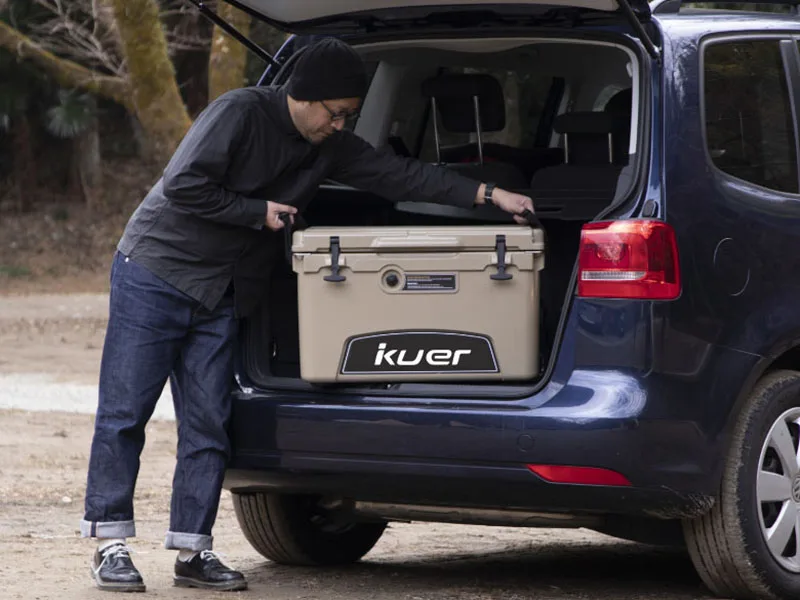
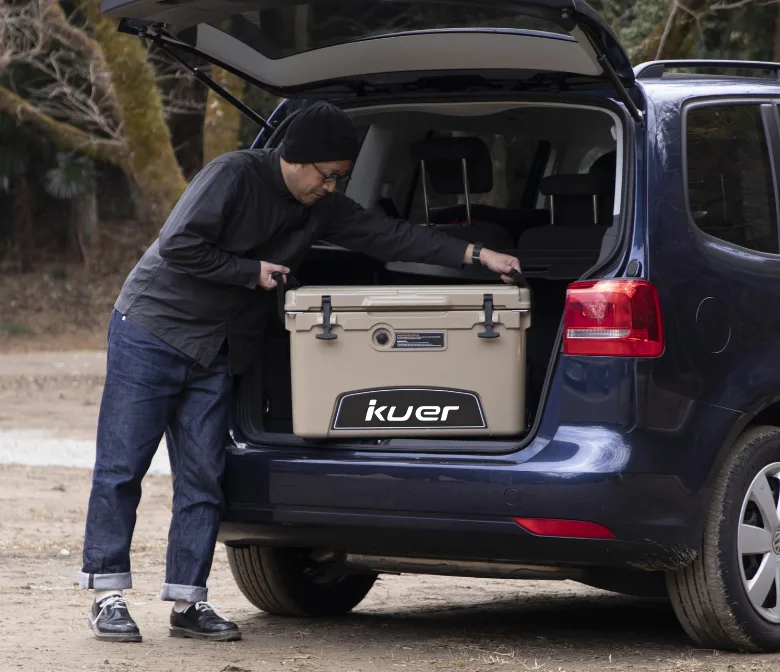
You want reliable outdoor gear. Kuer manufactures waterproof and insulated bags. Kuer offers wholesale and custom services for groups and businesses. Kuer insulated bags have a capacity of 30-50 liters and can hold up to 30 cans of beverages. Perfect for family picnics or long workdays. Kuer uses waterproof linings, zippers, and durable fabrics. These features make the insulated bags more durable and effectively prevent leaks.
Many people like insulated bags such as the IceMule Pro, YETI Tundra 45, Rugged Road 65, and Arctic Zone 3 Day Titan Cooler. These insulated bags keep drinks cold for up to 48 hours, are comfortable and durable, and protect your food and drinks. Kuer is known for its superior quality and clever design.
Please see the table below to see which insulated bag is best for your event:
| Activity Type | Best Suited Bag | Insulation Level | Portability Level |
|---|---|---|---|
| Short outings | Insulated Bag | Moderate | High |
| Long trips | Cooler | High | Moderate |
| Picnics | Insulated Bag | Moderate | High |
| Camping | Cooler | High | Moderate |
| Beach outings | Cooler | High | Moderate |
| Quick grocery runs | Insulated Bag | Moderate | High |
Consider waterproofing, bag durability, portability, and capacity. Waterproof bags keep gear and clothing dry, while insulated bags keep food and drinks chilled. Soft insulated bags feature welded seams and a roll-top seal to effectively prevent rain and splashes.
Note: TPU is good for the environment and can be recycled. It does not have bad chemicals like PVC. Picking TPU bags helps the planet.
You can purchase Kuer bags for yourself or your company. You can also customize bags to your specific needs. Choose the bag that best suits your adventure and enjoy the outdoors to the fullest.
For short trips, you can use waterproof bags instead of insulated bags. Waterproof bags are lightweight and easy to carry, while insulated bags can keep food cold for a longer time.
| Advantages of Dry Bags | Disadvantages of Dry Bags |
|---|---|
| Lightweight | Does not keep cold long |
| Flexible | Holds less stuff |
Insulated bags help keep food fresh and are easy to open. You can try both and see which one suits you better.
- Put cold items in first
- Use good ice packs
- Keep your cooler out of the sun
FAQ
Can you put ice directly in a dry bag?
You can put ice in a dry bag, but use a sealed bag or ice pack. This helps prevent leaks and keeps your food dry.
How do you clean a cooler bag after use?
Wipe the inside with a damp cloth. Use mild soap for tough stains. Let the bag air dry before storing it.
What is the best way to keep items cold for longer?
Pre-chill your food and drinks. Add ice packs or frozen water bottles. Keep the bag closed as much as possible.
 Request a quote
