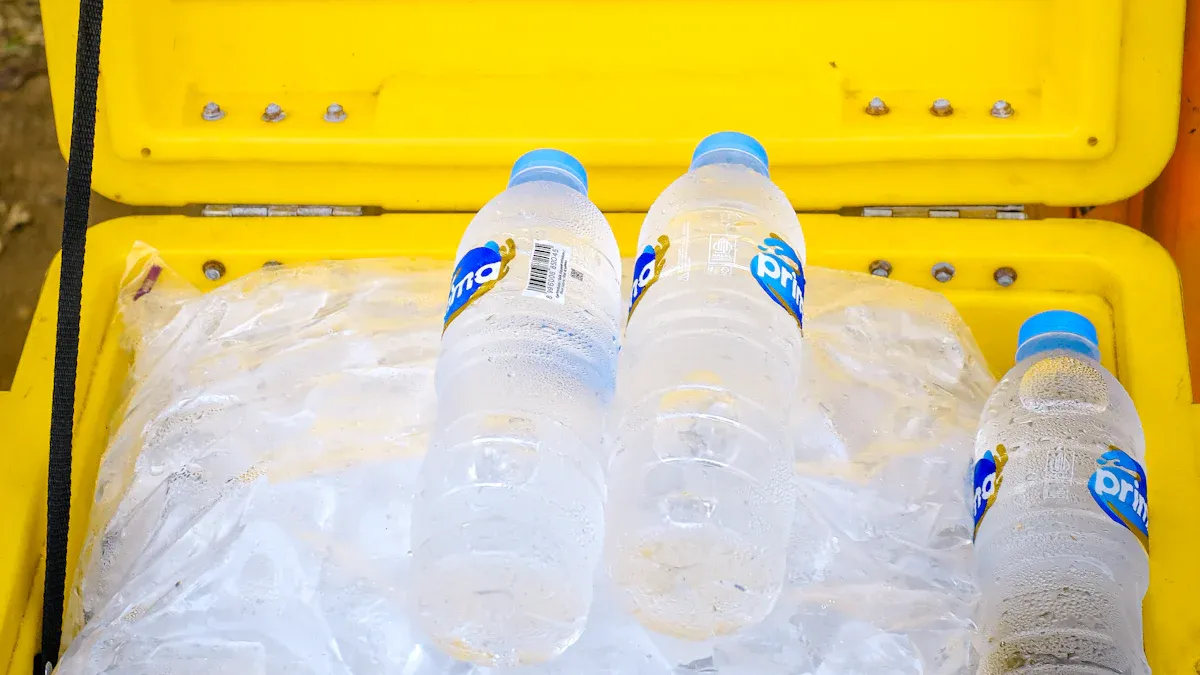

If you’re looking for the best cooler box for your outdoor adventures, consider the most popular large insulated cooler brands. Top brands like YETI, Igloo, Pelican, Coleman, and Bison Coolers lead the market because of their superior insulation performance, proven durability, and excellent value. As more people participate in outdoor activities, the market for large insulated coolers continues to grow, and consumers are increasingly choosing rotomould cooler box that are easy to carry and can keep contents cold for extended periods. Hard lunch coolers remain the best option for keeping items cold, while new materials and designs allow you to easily take them with you wherever you go.
Top Large Insulated Cooler Brands
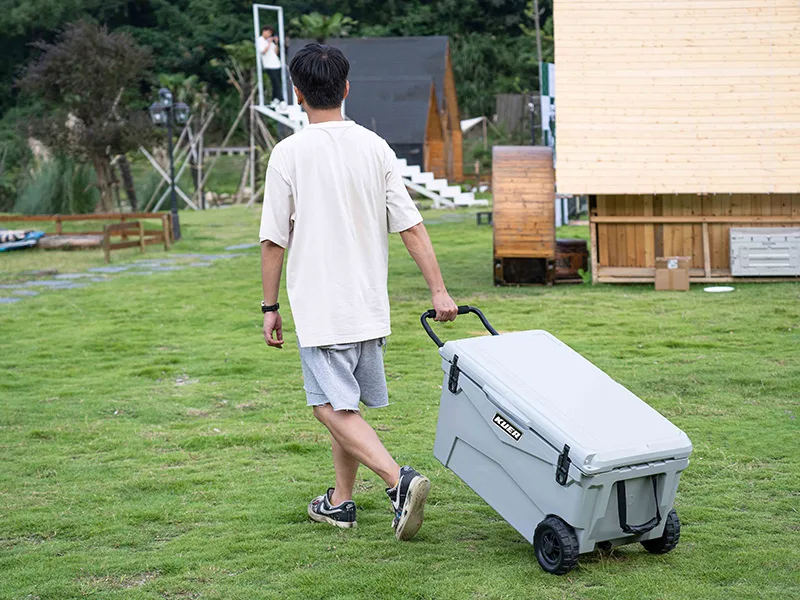
Best Overall Picks
When looking for the best overall cooler, you need a brand that excels in all aspects. The best coolers will keep your food and drinks cold for days, even in hot weather. You also need a cooler that is durable and easy to move.
You can see a comparison of these large insulated cooler models in the table below:
| Brand | Model | Insulation Type | Ice Retention (days) | Durability & Features | Portability | Special Notes |
|---|---|---|---|---|---|---|
| YETI | Tundra 65 | Rotomolded | ~9 days | Bear-resistant, rugged, UV-resistant | Heavy, less portable alone | Top-rated in independent tests |
| YETI | Roadie 48 | Not rotomolded | 10 days | Puncture-resistant wheels, ergonomic design | Highly portable with wheels | Outperforms others in ice retention |
| XSpec | 60QT | Rotomolded | 9 days | Durable, UV-resistant | N/A | Affordable alternative to YETI |
| Coleman | 316 Series 70QT | Injection molded | Over 7 days | Large volume, less durable | N/A | Budget-friendly |
| RTIC | Ultralight 52 | Injection molded | 7 days | Lightweight, good insulation | Easy to carry alone | Good for portability |
Why These Coolers Stand Out
You want the best cooler for your travels, so you need to understand what makes these brands unique. The best coolers utilize advanced insulation technology to keep ice fresh for extended periods. Rotomolded coolers like those from YETI and XSpec offer robust protection and long-lasting durability. Some coolers, such as the YETI Roadie 48, come with wheels for easy transport. Others, like the Coleman 316 Series, offer larger capacity at a lower price point.
Tip: If you need a cooler for long camping trips, choose one with excellent insulation and a sturdy construction.
Comparison Table
Specs and Features
When you’re looking for the best large cooler, you’ll want to compare the performance of each product. This cooler comparison chart lists the most important specifications and features. You can use this chart to choose the cooler that best suits your needs for camping, picnics, or long road trips.
| Brand/Model | Capacity (quarts) | Dimensions (inches) | Weight (lbs) | Insulation Quality | Portability Features | Durability & Material | Special Features |
|---|---|---|---|---|---|---|---|
| Yeti Tundra 65 | 65 | 30.5 x 17.4 x 16 | 29 | Rotomolded, top ice retention | Side handles | Rugged, bear-resistant | 5-year warranty, UV-resistant |
| RTIC 45 QT Wheeled | 45 | 32.25 x 18.5 x 17.13 | 29 | Good insulation, solid cold retention | Wheels, handles | Durable plastic | 109-hour ice retention test |
| Coleman 316 Series 70QT | 70 | 31.1 x 15.8 x 17.4 | 12.3 | Injection-molded, decent insulation | Side handles | Large volume, less rugged | Budget-friendly, 103-hour ice retention test |
| Pelican 45QW Elite Wheeled | 45 | 29.7 x 20 x 19.5 | 37.25 | Thick insulation, high cold retention | Wheels, molded handles | Bear-resistant, rugged | Lifetime warranty, 115-hour ice retention test |
| Igloo MaxCold 50 Quart | 50 | 25.3 x 15.3 x 17.4 | 11.29 | Good insulation, 70% insulated space | Side handles | Durable plastic | Holds 72 cans, cost-effective |
| Oyster Tempo Cooler | 24 | 20.1 x 11.8 x 12.6 | 12.25 | Vacuum-sealed, no ice needed | Lightweight, shoulder strap | Premium build | Dual temperature zones, lifetime warranty |
| Dometic CFX3 75DZ | 75 | 35.1 x 18.6 x 19.5 | 61.22 | Electric, dual temp zones | Heavy, rugged design | High durability | App control, 75-quart capacity |
Tip: Before your next trip, be sure to check the weight and portability of the cooler. Some coolers have wheels or special handles for easy transport.
Pros and Cons
Before purchasing, you’ll want to understand the advantages and disadvantages of each cooler. The table below lists the main pros and cons of each cooler, based on actual cooling tests and user feedback. You can refer to this table to find the cooler that best suits your needs, considering cooling performance, durability, and value for money.
| Brand/Model | Pros | Cons | Notes |
|---|---|---|---|
| Yeti Tundra 65 | Excellent insulation, rugged build, good capacity-to-size ratio | High price | 5-year warranty, strong ice retention test |
| RTIC 45 QT Wheeled | Good performance, less expensive than Yeti, easy to move | Slightly less insulation than Yeti, handle comfort | 109-hour ice retention test |
| Coleman 316 Series 70QT | Large capacity, affordable, almost waterproof | Insulation below top coolers | 103-hour ice retention test |
| Pelican 45QW Elite Wheeled | Great warranty, strong insulation, easy latches | Expensive, wheeled design not ideal | 115-hour ice retention test |
| Igloo MaxCold 50 Quart | Cost-effective, holds many cans, durable | No wheels standard, insulation not top-tier | Good for budget buyers |
| Oyster Tempo Cooler | No ice needed, stylish, excellent cooling power | Expensive, limited audience | Vacuum-sealed, lifetime warranty |
| Dometic CFX3 75DZ | Consistent temperature, rugged, app-controlled | Very expensive, heavy | Best for long travel, electric cooler |
Note: The best-performing coolers are usually more expensive, but offer superior cooling performance and durability. Be sure to check the results of various insulation tests to determine which cooler best meets your needs.
Best Cooler Reviews
KUER
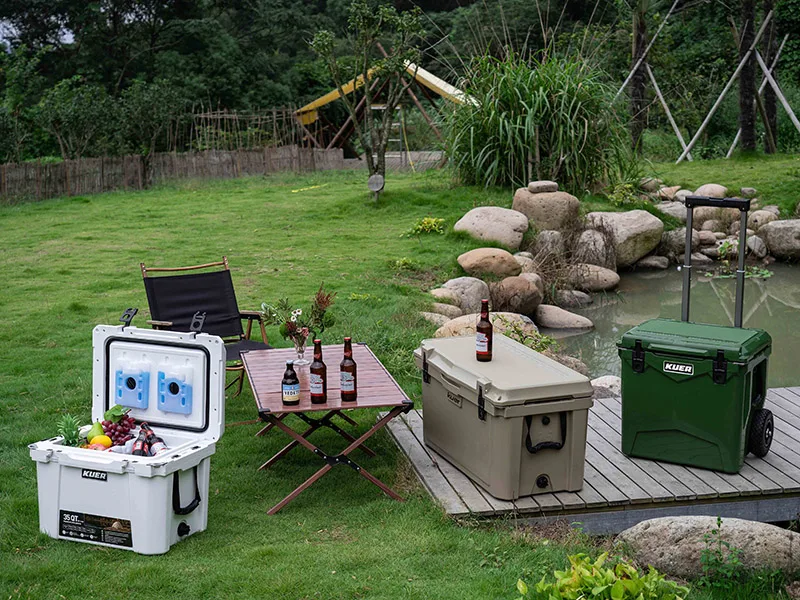
If you’re looking for a high-capacity cooler that combines performance, durability, and value, KUER is undoubtedly the ideal choice. KUER utilizes advanced rotational molding technology and thick foam insulation to keep your food and drinks cold for 5 to 7 days. In actual cooling tests, its performance is comparable to many high-end coolers. Furthermore, its airtight seal and robust construction allow you to handle various harsh outdoor environments.
KUER’s strong manufacturing capabilities set it apart. The company owns five factories and two trading companies, covering an area of over 43,000 square meters. You will benefit from a professional R&D team with 5-10 years of experience and over 50 patents. KUER coolers use UV-resistant plastic, ultra-high-density insulation materials, and neoprene gaskets. These features help maintain low temperatures and prevent leaks. Even when the cooler is full, the sturdy latches and rope handles make carrying easy.
You can trust KUER’s quality control. The company holds multiple certifications, including ISO 9001, SGS, CE, BSCI, and SEDEX. KUER offers OEM and ODM services, free new product design, and third-party inspection. Their coolers are made with food-grade materials and are built to last.
For example, the KUER 45-quart cooler boasts excellent cooling performance, durability comparable to top brands, and exceptional value. If you need a reliable and robust outdoor cooler, a KUER cooler is definitely a smart choice.

Yeti
Yeti coolers have become the benchmark for top-tier cooler performance. They utilize rotational molding technology and feature thick PermaFrost insulation and bear-resistant shells. Yeti coolers can keep contents cold for 5 to 10 days, depending on the model and usage environment. The Tundra 45 and Roadie 48 are popular for their superior cooling performance and durable construction.
Yeti coolers are extremely durable. Laboratory tests show that the Tundra 45 has a durability rating of 7.1 out of 10 and an insulation performance rating of 6.1. Its sturdy latches, robust hinges, and UV-resistant shell ensure the cooler’s longevity. Furthermore, a five-year warranty provides added peace of mind.
Yeti coolers are heavy, which may make them inconvenient to carry. Some models, such as the Roadie 48, have wheels for easier transport. Yeti coolers are expensive, but they offer reliable cooling performance and have a trusted brand name in the large-capacity cooler market.
RTIC
RTIC coolers offer premium features at a lower price. They use rotomolded construction, feature thick foam insulation, and include practical features such as drain plugs and tie-down points. RTIC coolers can keep ice cold for up to 7 days, similar to brands like Yeti and Pelican.
RTIC’s advantage lies in its excellent value for money. The RTIC 45-quart hard cooler costs approximately $250, significantly less than comparable Yeti coolers. It is durable, provides excellent insulation, and is versatile. RTIC coolers can be used as a workbench, cutting board, or stool.
Portability is good, especially for the RTIC 20 and 45 models. The RTIC 45 features padded rope handles, while the RTIC 20 has hard metal handles. RTIC coolers do not have wheels, so they may require carrying over rough terrain. Nevertheless, this cooler strikes a good balance between price, performance, and durability.
Coleman
Coleman coolers are known for their affordability and reliable performance. The Coleman 316 Series 70-quart (approximately 61 liters) cooler is a popular large cooler suitable for families and groups. It uses injection molding and foam insulation, keeping ice cold for approximately 4 to 6 days.
Coleman coolers are lightweight and easy to carry. The steel-belted models feature a metal shell, making them durable and even usable as a seat. Drop and drag tests showed only minor dents and scratches on the cooler’s body, proving its durability. However, these coolers lack non-slip feet, so they may slide during transport.
This cooler comes with a one-year warranty and, with proper care, can last for many years. If you want a traditional cooler that is affordable and reliable, the Coleman cooler is an ideal choice.
Pelican
Pelican coolers are designed to withstand extreme environments. Using rotomolded construction, the thick walls and freezer-grade gasket ensure excellent insulation. Even in hot weather, Pelican coolers can keep ice for up to 10 days.
Pelican coolers boast many unique features. The press-and-pull latch system provides a secure seal, while a pressure relief valve handles changes in altitude or temperature. It’s also bear-resistant certified and features molded tie-down slots and non-slip rubber feet. Pelican coolers also include a built-in bottle opener and cup holders.
In extreme temperature testing, the Pelican 45Q Elite cooler maintained a lower water temperature than the Yeti Tundra Haul cooler after six days in a heatwave. This cooler’s rugged design and lifetime warranty make it a top choice for both durability and insulation performance.
Engel
Engel coolers offer excellent insulation and portability. The hard-sided models feature thick insulation, a gasket seal, and a vacuum valve to keep contents cold for up to a week. For example, the Engel 65 kept ice below 40°F for five days in testing.
Despite its large size, this cooler is lightweight and easy to carry. Engel coolers feature dual handles and a shoulder strap for convenient transport. The rotomolded construction enhances durability, and the narrow design makes it easy for one person to carry.
Engel coolers come with a 10-year warranty, longer than most competitors. It offers excellent insulation, convenient portability, and long-term value.
Igloo
For budget-conscious buyers, Igloo coolers are a classic choice. It uses a blow-molding process and features an extra-thick foam insulation layer. Igloo coolers can keep ice for 4 to 5 days, which, while not as good as high-end brands, is still sufficient for most trips.
Igloo offers a variety of cooler sizes and styles, including wheeled coolers and soft-sided coolers. The brand focuses on affordability and a retro style, offering many classic vintage designs. The Igloo IMX 70 cooler costs approximately $220, significantly less than the Yeti Tundra 65.
It’s worth noting that some Igloo wheeled coolers were recalled due to a pinching hazard with the handles. The company responded quickly and replaced the handles free of charge. If you need a traditional cooler for everyday use, Igloo remains a great value option.
RovR
RovR coolers are designed for adventure. They use a rotomolding process, have thick insulation, and feature wheels designed to handle various terrains. The RollR 45 and RollR 60 models feature 9-inch inflatable all-terrain tires and a telescoping handle for easy rolling.
RovR coolers can keep ice for up to 10 days and come with a removable DryBin Mini dry goods storage container for organizing dry goods. The cooler is bear-resistant and features sturdy latches, freezer-grade gaskets, and molded tie-down slots. You can also customize the cooler with cup holders, a food prep board, and even a bicycle mounting kit.
Durability tests show that RovR coolers can withstand rough terrain, mud, and inclines without damage. Its wheels and handle make it one of the best coolers for portability and outdoor use.
XSpec
XSpec coolers offer excellent performance at an affordable price. The XSpec 60QT features rotomolded insulation and a freezer-grade gasket, keeping ice for approximately 6.2 days. Its spacious interior can hold up to 90 cans of beverages.
Made from UV-resistant polyethylene, this cooler is durable and suitable for outdoor use. XSpec coolers come with sturdy handles and wheels for easy transport over uneven ground. While the wheel quality is inconsistent, overall, this cooler is easy to move thanks to its wheels.
The XSpec cooler is priced at around $220, significantly less than high-end brands. It features a drain plug, UV-resistant coating, and durable construction. If you need a large-capacity, well-insulated, and portable cooler, the XSpec is a great value option.
Testing Criteria
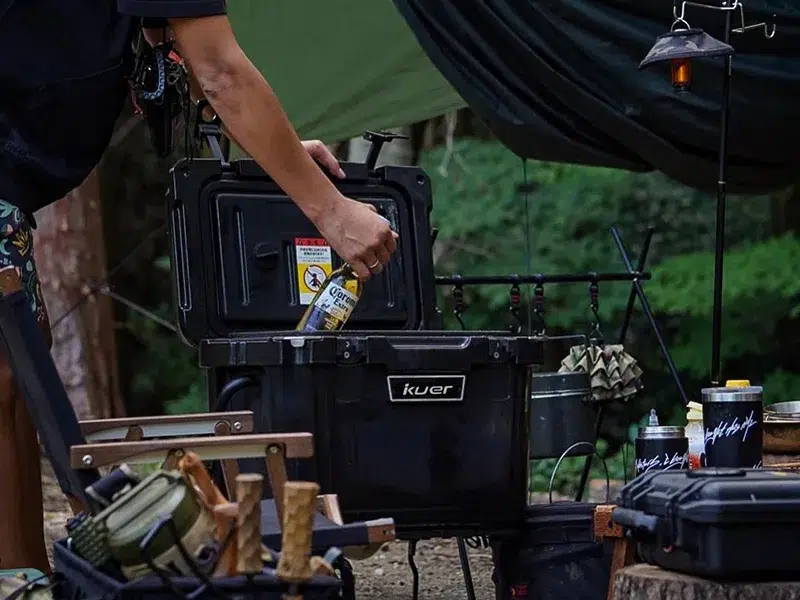
When choosing a large cooler, you’ll want to know how it performs in real-world use. You need to consider four main aspects: insulation, durability, portability, and value for money. Each cooler should undergo a series of tests to evaluate its performance in terms of cooling, durability, and everyday use.
Insulation
You want your cooler to keep things cold for as long as possible. To test insulation performance, fill the cooler with ice and measure the internal temperature after 2 hours and 24 hours. Also, weigh the remaining ice to see how much has melted. This cooling test will show which coolers keep things cold the longest and which ones cool down the fastest. You should repeat the cooling test several times to ensure consistent results. Some coolers, such as electric coolers, use electricity for cooling, so you’ll also need to check their temperature settings and power consumption.
Durability
You need a cooler that can withstand rough handling. To test its durability, fill the cooler with ice and drop it onto a concrete surface. Check for cracks, dents, or if the lid pops open. You can also tilt the cooler at different angles to check for leaks. Over the next few months, use the cooler in different locations and observe its performance. This long-term cooling test will help you find a durable traditional cooler.
Portability
A cooler should be easy to carry even when full. Lift the cooler and carry it across grass, gravel, and asphalt. If it’s a wheeled cooler, push it over uneven ground to see how well the wheels work. You can assess the ease of movement for wheeled coolers or electric coolers. You should also check the handles and latches to see if they are convenient for carrying.
Value
You want to get your money’s worth. To assess value for money, compare the price of the cooler to its performance in the various cooling tests. Consider the cooler’s capacity, cooling performance, and what features make it stand out. Additionally, compare electric coolers and traditional coolers to see which one best fits your budget. Coolers with wheels and those with extra features generally score higher if they are easy to carry and provide excellent insulation.
Cooler Buyer’s Guide
Choosing the Right Size
When choosing a cooler, consider the duration of your trip and the number of people to determine the appropriate capacity. Cooler capacity is measured in quarts. For example, a 50-quart cooler can hold approximately 50 cans of beverages plus ice. If you’re planning a weekend camping trip, a medium-sized cooler (20-50 quarts) is suitable for a small group. For longer trips or larger groups, choose a large cooler with a capacity of 50-75 quarts or more. Remember the 2:1 ice-to-contents ratio. Fill two-thirds of the cooler with ice and one-third with food and drinks. This helps keep food and drinks cold for several days. If you need a cooler for beach trips, choose a model with wheels and sturdy handles. These features make it easier to move the cooler across sand or uneven terrain.
Tip: Choose the right cooler size for your activity. A solo hiking trip requires a small cooler. A family picnic or fishing trip requires a larger capacity cooler.
Key Features
When buying a cooler, look for features that will make your trip easier. Many coolers now have built-in bottle openers, cup holders, and even USB charging ports. Some wheeled coolers feature all-terrain wheels and durable handles for easy transport. If you want a cooler suitable for beach trips, choose one with a UV-resistant exterior and good sealing. High-performance insulation keeps ice fresh for longer, which is especially important in hot weather. Some coolers also come with dividers, dry storage compartments, and tie-down points for better organization. Some high-tech coolers may even include Bluetooth speakers or LED lights for added fun and convenience.
Price and Value
Coolers on the market vary widely in price. The following table can help you compare:
| Price Range | Typical Features and Value |
|---|---|
| Under $100 | Basic coolers, good for day trips, limited features |
| $100 to $250 | Better insulation, more features, improved durability |
| $250 and above | Premium quality, top ice retention, rugged and feature-rich |
Higher prices generally mean better value. High-end brands like YETI offer powerful insulation, bear-proof locks, and longer warranties. Budget-friendly brands like Coleman and Igloo offer large capacity and decent cooling performance at lower prices. Coolers with wheels are easier to transport and ideal for travel and outdoor activities. When choosing a cooler, be sure to weigh price, features, and your needs to get the best value for your money.
When choosing a large cooler, you have many options. KUER stands out with its superior manufacturing, advanced R&D technology, and reliable cooling performance. Yeti, RTIC, and Pelican also offer top-tier performance. Use the comparison table to choose the right cooler for your needs. Consider how long you need the cooler to keep things cold and how easy it is to carry. Check out our reviews before buying. Find the perfect cooler for your next adventure today!
FAQ
How do I clean a large cooler?
You should empty the cooler and wash it with warm water and mild soap. Stubborn stains can be scrubbed with a soft brush. Rinse thoroughly and leave the lid open to air dry. This helps prevent mold and odors.
How long will a large cooler keep ice?
Most high-quality coolers can keep ice for 5 to 10 days. Brands like YETI, KUER, and Pelican use thick insulation and sealed designs. Real-world tests show that these coolers can keep ice frozen for a week, even in hot weather.
What size cooler do I need for a family camping trip?
For a family of four on a weekend trip, you should choose a cooler with a capacity of at least 50 quarts (approximately 47 liters). This capacity is sufficient for two to three days of food and drinks. For best results, always maintain a 2:1 ratio of ice to contents.
Do large insulated coolers come with a warranty?
Most top brands offer warranties. YETI offers a 5-year warranty, Pelican offers a lifetime warranty, and KUER coolers also come with a warranty. Be sure to check the brand’s warranty policy before purchasing.
Tip: Register your cooler after purchase to activate the warranty and receive customer support.
 Request a quote
