
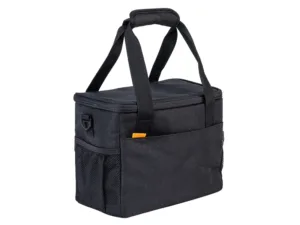
You can safely put ice in cooler bags. Many people worry about leaks or food safety, but modern designs use waterproof linings and BPA-free materials. You get peace of mind with smooth, easy-to-clean surfaces and leak-proof seams. This keeps your food fresh and your adventures stress-free.
Key Takeaways
- You can safely use ice in cooler bags. Waterproof linings prevent leaks and keep your food fresh.
- For best cooling results, pre-chill your cooler bag and pack items tightly. This reduces warm air and helps ice last longer.
- Choose the right type of ice for your needs. Block ice lasts longer for trips, while gel packs are reusable and convenient.
Can You Put Ice in Cooler Bags?
Safety and Effectiveness
You can put ice cubes in insulated bags to keep food and drinks cold. The insulation layer of an insulated bag helps slow down the melting of the ice. When using ice cubes or ice packs, a low-temperature zone is created, keeping items fresh for hours. The science behind this cooling effect is based on thermodynamics. When you put frozen ice packs or ice cubes into a bag, they absorb heat from the warmer surrounding air and food. The gel inside the ice pack stores a significant amount of heat energy before it warms up. This process keeps the temperature inside the bag low, ensuring food is safe to eat.
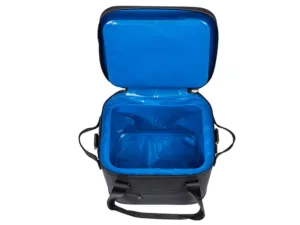
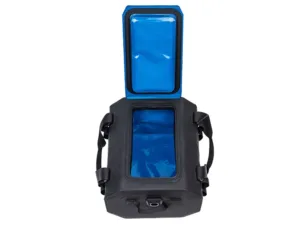
Insulated bags with waterproof liners prevent leaks and protect your items from moisture. Even if the ice melts, you can rely on these insulated bags to keep your items dry. Many people use insulated bags for picnics, camping, or beach trips because they are portable and reliable.
Tip: For best results, use pre-chilled items and pack your cooler bag tightly. Less empty space means less warm air inside, which helps the ice last longer.
When to Use Ice Directly
You might be wondering if you should put ice directly into an insulated bag. In most cases, you can safely put regular ice or ice packs in. A waterproof liner will prevent meltwater from leaking in. However, if you want to keep food dry, use airtight containers or zip-lock bags to store snacks and sandwiches.
If you plan to use dry ice, you need to be extra careful. Dry ice is much colder than regular ice and can be dangerous if handled improperly. Here are some important safety tips:
- Use barriers like cardboard or towels to separate dry ice from food and the bag’s lining.
- Make sure the bag has ventilation to safely release CO₂ gas.
- Never fully seal a bag with dry ice inside to prevent pressure buildup.
- Wear gloves and protective eyewear when handling dry ice.
- Keep the bag partially open or vented to release CO₂ safely.
- Avoid transporting dry ice in enclosed passenger compartments without ventilation.
Most people use regular ice or gel packs for everyday outings. These options are safe and easy to handle. You can enjoy cold drinks and fresh food without worrying about leaks or safety issues. Cooler bags make it simple to pack for any adventure, whether you use loose ice, ice packs, or even frozen water bottles.
Best Ice Types for Cooler Bags
Ice Packs vs. Loose Ice
You have many options when choosing ice for cooler bags. Each type works best for different situations. The table below shows how common ice types compare:
| Type of Ice | Melting Rate | Cooling Duration | Practical Use |
|---|---|---|---|
| Block Ice | Slowest melting | Long-lasting for trips | Best for long outings |
| Cubed Ice | Melts faster | Shorter duration | Good for quick cooling |
| Gel Ice Packs | Moderate to slow | Reusable, convenient | Everyday use |
| Crushed Ice | Very fast | Shortest duration | Quick chilling |
Tip: Frozen water bottles make a great alternative. They keep food cold and give you cold water to drink later.
Dry Ice and Alternatives
Dry ice can keep items extremely cold for extended periods, but it must be handled with care. Always wear gloves and never let dry ice come into contact with bare skin. Keep the insulated bag ventilated to allow gas to escape. Keep children and pets away from dry ice.
For a safer option, try ice packs. Ice packs are non-toxic and reusable. You can also add salt to water before freezing bottles to extend the cooling time. Choose the type of ice that best suits your trip and ensures food safety.
Packing Tips for Cooler Bags
Pre-Chilling Methods
Pre-chilling insulated bags and their contents can prolong their cooling effect. First, place the empty bag in the freezer or refrigerator for at least 30 minutes. For best results, overnight refrigeration is recommended. Before filling the bag with food, place a bottle of frozen water or ice packs inside. This step lowers the temperature inside the bag, helping the food stay cold for longer. You can also fill the bottle with brine, which freezes longer than plain water. Pre-chill food and beverages before placing them in the insulated bag to avoid putting warm items inside. Always zip up the bag or seal it tightly during pre-chilling to lock in cold air.
Tip: Frozen water bottles not only keep your food cold but also give you cold water to drink later.
Layering and Organization
To maximize insulation efficiency, organize your insulated bags properly. Place ice packs or freezer bottles at the bottom and sides of the bag. Next, put in the coldest food, then add several more layers of ice packs on top. Fill any gaps with small items to reduce the amount of hot air inside the bag. Packing foods of similar temperatures together helps maintain a low temperature. High-quality insulated bags (such as those from reputable suppliers or manufacturers) feature thick insulation and a waterproof lining that slows heat transfer and prevents leaks. Leak-proof zippers and welded seams ensure food stays dry and safe. This clever packing method ensures your food stays fresh and your drinks stay icy for hours.
Preventing Leaks and Keeping Food Dry in Cooler Bags
Containing Ice and Meltwater
You certainly want your food to stay dry and your insulated bag to be leak-proof. Waterproof materials help achieve this. Laminated fabrics and welded seams are crucial. Manufacturers use sealing seams and waterproof zippers. These properties prevent moisture from seeping out and also prevent liquids from spilling. You can pack food in airtight containers. Zippered bags prevent water from accumulating. Dividers separate ice and food, creating different temperature zones to keep snacks dry. Frozen bottled water melts slowly and provides ice water when it melts. Ice packs don’t leak when they melt, keeping food dry. You can also put a sponge in a zippered bag to freeze; the sponge absorbs melted moisture and prevents water from sloshing around. Don’t use crushed ice, as it melts quickly. Ice cubes maintain a low temperature for a longer time and help control moisture.
Using Liners and Containers
You can use liners or containers to enhance protection. Using sturdy double-layered food storage bags can prevent leaks. Placing the bag in a baking pan or food container increases its support and prevents food from spilling. The seal should be facing upwards to avoid pressure on the seal. Don’t overfill the bag; leave some space at the top to prevent overflow. Cleaning up spills is also easy. Move the leaked bag to a sink or basin, put on gloves, and wipe it with paper towels. Disinfect the surface with hot, soapy water. These steps help keep food dry. Your food storage bags will be ready for any adventure.
Cooler Bag Hacks and Troubleshooting
Maximizing Ice Retention
You certainly want your food and drinks to stay cold for as long as possible. Try these tips to extend the cooling time of your insulated bag:
- Choose lighter colors or reflective coatings. These options absorb less heat from the sun.
- Pick fabrics with low heat absorption and UV-resistant coatings for outdoor trips.
- Use a 2:1 ratio of ice to contents by weight. This keeps your items cold for hours.
- Block ice lasts longer than cubes. Place block ice at the bottom, then add food and drinks in the middle. Top off with more ice packs.
- Fill empty spaces with small cold items. This reduces warm air pockets.
- Precool your bag by placing gel packs inside for 10–20 minutes before packing.
- Limit how often you open the bag. Cold air escapes quickly when you leave it open.
Tip: Keep your cooler bag out of direct sunlight. Shade helps maintain cold temperatures.
Quick Fixes for Common Issues
Sometimes you face problems like leaks or warm food. Here are quick solutions:
- If you pack warm items, chill them first. Warm food melts ice faster.
- Use enough ice packs and place them strategically.
- Clean the area before patching leaks. Duct tape or Tenacious Tape works for small holes.
- Try vinyl or fabric patches for bigger repairs. Dab Seam Grip or Aquaseal over holes to seal them.
- Reinforce seams with clear packaging tape for extra strength.
- Test your repair by filling the bag with air and squeezing it. If no air escapes, your fix is solid.
- Avoid leaving the bag open while packing or searching for items.
Note: Always pre-chill your cooler bag and contents. This step prevents common cooling issues.
You can use ice cubes in insulated bags to keep items cold. For best results, choose block ice or ice packs. Refrigerate the insulated bag before filling it with your food. Pack items tightly together. Thick insulation helps maintain the temperature inside the bag. A waterproof lining prevents leaks and keeps food dry.
Make sure you choose the right ice and packing style for your trip.
FAQ
Can you put ice directly in the Cooler Bag?
You can put ice cubes directly into the insulated bag. The waterproof lining prevents meltwater from seeping in, protecting your food from moisture.
How long does ice last in a Cooler Bag?
Ice cubes can typically stay cold for four to six hours in an insulated bag. Solid ice keeps the ice cold for even longer than ice cubes or crushed ice.
What is the best way to keep food dry in a Cooler Bag?
Store food in airtight containers or zip-lock bags. Ice packs help prevent leakage and keep snacks dry.

 Request a quote
