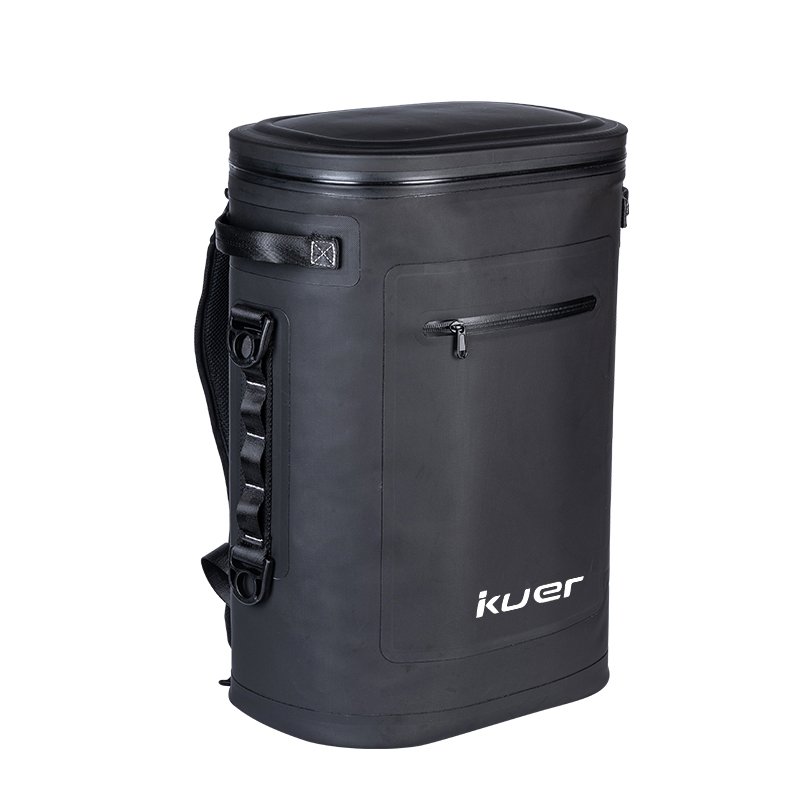

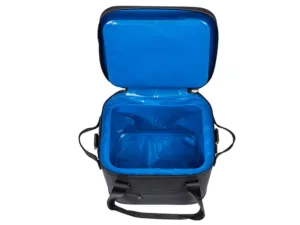
You might be wondering whether a soft-sided or hard-sided lunch cooler is right for you. The answer depends on your daily routine and your expectations for the cooler. Many people consider the following key factors when choosing a lunch cooler:
Insulation Performance: Insulation performance ensures food stays fresh in hot or cold weather.
- Durability: Durability is crucial if you frequently use your cooler in harsh environments.
- Portability: Portability is especially important if you often walk or carry your lunch around.
- Budget: Budget will also influence your final choice.
- If you want a reliable hard-sided cooler, KUER coolers stand out for their ruggedness and long-lasting insulation performance.
Key Takeaways
- Choose an insulated box that suits your needs. Soft-sided insulated boxes are suitable for everyday use, while hard-sided insulated boxes are better suited for long trips.
- Insulation performance is also important. Hard-sided insulated boxes can keep food cold for days, while soft-sided insulated boxes are better suited for short trips.
- Durability is also crucial. Hard-sided insulated boxes are sturdy and durable, able to withstand rough handling. Soft-sided insulated boxes, while lighter, may be more prone to damage.
- Portability is also important. Soft-sided insulated boxes are easy to carry, making them ideal for students and frequent travelers.
- Price is also an important factor. Soft-sided insulated boxes are generally cheaper, while hard-sided insulated boxes are more expensive but have a longer lifespan.
Soft vs. Hard Lunch Coolers: Key Differences
Comparison Table
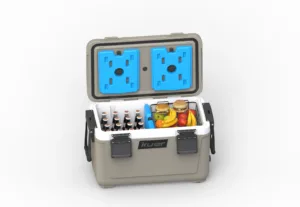
You definitely want to make the right choice for your lunch cooler. The table below compares the differences between soft-sided and hard-sided lunch coolers in terms of insulation, durability, portability, capacity, and price. This overview will give you a clear picture of their main differences.
| Feature | Hard Lunch Coolers | Soft Lunch Coolers |
|---|---|---|
| Insulation | It boasts superior cold-keeping properties, maintaining food’s temperature for several days. While cooling is slower, it keeps food at a low temperature for a longer period. | It cools quickly and can be used immediately. Ice cubes do not keep for a long time. |
| Durability | Made of tough, high-density materials. Can withstand rough handling and outdoor use. | Fabric outer layer. More prone to wear and tear. Design prioritizes convenience. |
| Portability | Heavier and larger. Can be used as a chair or table. | Lightweight and flexible, easy to carry and store. |
| Capacity | A wide range of sizes are available. For example, the KUER cooler can keep ice in place for more than 8 hours. | Multiple sizes are available. Depending on the model, it can keep you cold for 6-12 hours. |
| Price | Price: $40-$300. Lifespan: 5-10 years or more. Annual cost: $8-$30. | Price: $20-$150. Lifespan: 3-5 years. Annual cost: $7-$30. |
Tip: If you need a cooler for long trips or outdoor adventures, a hard-shell lunch cooler like the KUER cooler offers better insulation and durability.
Quick Pros and Cons
You can use this brief overview to decide which type best suits your needs.
Hard Lunch Coolers
- Excellent insulation, keeping food cool for days.
- Made of high-density polyethylene, durable and able to withstand rough handling.
- Large capacity; some models can also be used as an extra seat or small table.
- Relatively heavy and bulky, not very convenient for daily commutes.High initial investment, but low annual cost due to long lifespan.
Soft Lunch Coolers
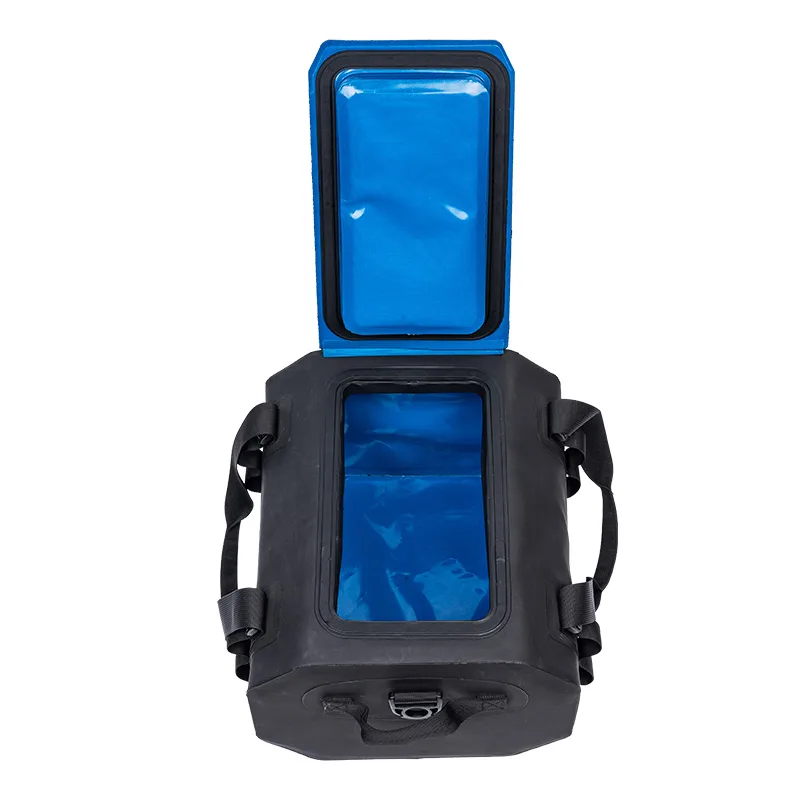
- Lightweight and flexible, easy to carry and store, saving space.
- Features multiple pockets and storage compartments for convenient storage of cutlery and snacks.
- Quickly cools food, suitable for short trips or everyday use.
- Requires ice packs to keep food cold. Insulation effect is not as durable as hard-shell coolers.
- Prone to wear and tear, with a shorter lifespan than hard-shell coolers.
- Lower price. Available in various styles, including backpacks and tote bags.
Note: If you walk or cycle to work or school, a soft-shell lunch cooler is comfortable and convenient. If you need it for camping or fishing, a hard-shell cooler provides better protection and longer-lasting insulation.
Soft Lunch Coolers: Pros and Cons
Insulation and Cooling
You’ll definitely want your lunch to stay chilled and fresh before you eat it. Soft-sided lunchboxes use insulation layers such as EPE foam, EVA foam, and reflective foil to keep food cool. Most soft-sided lunchboxes can keep food cold for 4 to 8 hours. With the addition of extra ice packs, the cooling time can be extended to 10 or 12 hours. Therefore, soft-sided lunchboxes are ideal for short trips, going to school, or going to work.
Note: Long-duration outdoor adventures may require a hard-shell insulated box. For everyday use, a soft-shell insulated box is sufficient.
Durability and Flexibility
Soft lunch insulated bags are made from materials such as polyester, neoprene, and closed-cell foam. These materials are tear-resistant, making the bags durable. Their flexible design allows you to easily fit the bag into small spaces, such as gym lockers or cramped backpacks. You can even confidently tuck the soft insulated bag into your car trunk or under a table.
Portability and Weight
You’ll find that soft-sided lunch coolers are much lighter than hard-sided ones. Thick shoulder straps and ergonomic handles make them easy to carry, even on long treks or hikes. The wide, easy-open lid allows for quick access to your lunch. Therefore, soft-sided coolers are popular with students, athletes, and anyone who travels frequently.
- Lightweight and Portable
- Flexible Design for Confined Spaces
- Comfortable Shoulder Straps Reduce Fatigue
Price and Value
Flexible lunch coolers offer great value for money. Depending on size and features, you can find quality flexible coolers priced between $20 and $150. This price range is affordable for most families and students.
Soft-sided lunch warmers combine convenience, comfort, and economy. They are both practical and affordable for everyday use.
Hard Lunch Coolers: Pros and Cons
Insulation Performance
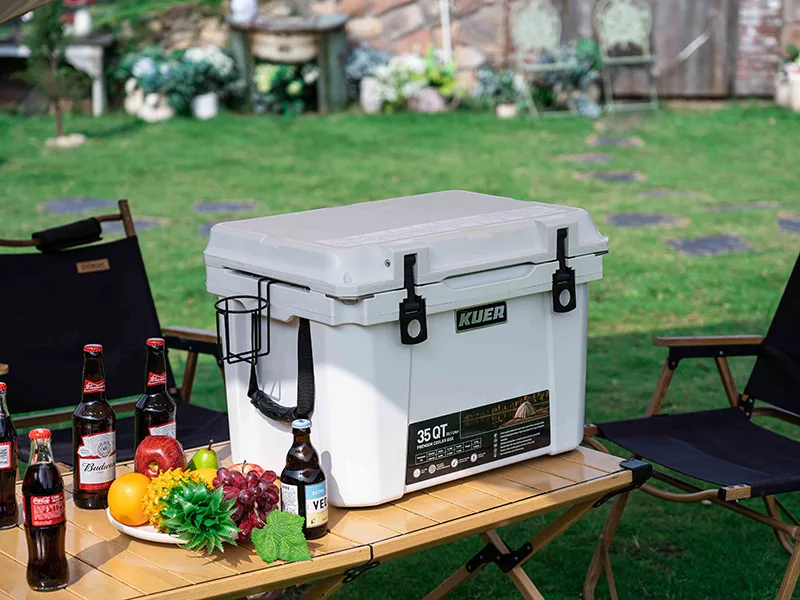
You’ll definitely want your food and drinks to stay chilled all day. Hard-sided lunch coolers are insulated with thick polyurethane foam. KUER coolers keep food cold for extended periods. In hot weather, they can keep food cold for over 8 hours. Sometimes, they can even keep it cold for 5 to 7 days. This makes them ideal for camping or fishing trips.
Tip: If you need to keep food cold for more than a day, a hard-sided lunch cooler is the best choice.
Durability and Strength
You need a durable lunch cooler. KUER coolers are manufactured using a rotational molding process, which makes them strong and seamless, resistant to cracking or damage even in harsh environments, and can last for years.
- Rotationally molded coolers have uniform walls and a robust body,
- making them able to withstand drops, impacts, and extreme temperatures.
Portability and Bulk
Hard-sided insulated boxes are heavier than soft-sided ones. While the KUER insulated box offers extra protection, its larger size can make it cumbersome to carry every day. It might be inconvenient to carry for long walking distances. However, its sturdy handle and clever design make it easy to carry.
| Cooler Type | Weight | Portability Features |
|---|---|---|
| KUER | Heavy | Extra protection, sturdy handles, can be cumbersome |
| Coleman | Light | Easy to carry, good insulation |
| Fatboy | Moderate | Strong handles, heavier than some lightweight options |
Capacity and Storage
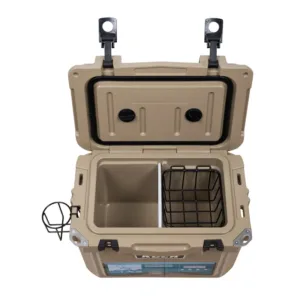
You’ll need enough space to store all your food and drinks. Most hard-sided lunch coolers have a capacity of 8 to 14 quarts (about 8.7 to 1.3 liters). This is enough for a day’s snacks, sandwiches, and drinks. Some coolers, like KUER, have larger capacities. Some also come with trays for storing dry goods. You can use the flat top as a seat or table.
Price and Investment
Hard lunch coolers cost more at first, but last longer. They protect your food better than soft coolers. The KUER cooler box is strong, keeps food cold, and has many uses. It is a smart buy for people who love the outdoors.
Note: If you want a cooler that lasts and works well anywhere, a hard lunch cooler is worth the money.
Choosing the Right Hard Lunch Coolers for Your Needs
Daily Use and Commuting
If you’re going to school or work, you’ll need a lunch cooler that fits your daily routine. A small, lightweight hard-shell cooler is best. You should choose one with a leak-proof lining. Easy-to-clean models are even better. The insulation should be around 6 to 10 millimeters thick. This will ensure your food stays cold until lunchtime. Storage boxes can help you organize your snacks and utensils neatly.
Tip: Choose a sturdy insulated lunchbox that can fit in your bag or locker. This makes it easy to carry.
Outdoor Trips and Camping
If you enjoy camping or hiking, you’ll need a cooler that can keep things cold for extended periods. Hard-shell coolers are sturdy and durable with thick insulation. Some can even keep ice out of the air for up to ten days. This is crucial if you’re camping or fishing and want to ensure food safety. A key advantage of hard-shell coolers is their ability to maintain low temperatures in harsh environments. Manufacturers test their performance by measuring how quickly ice melts and how long they keep things cold. Results show that hard-shell coolers keep things cold longer than other types of coolers.
For Kids and School
Ensuring your child’s lunch safety is paramount. Stainless steel insulated containers do not release chemicals and inhibit bacterial growth. Plastic insulated containers, however, may release chemicals, especially when heated or scratched. Always use leak-proof containers to prevent food from spilling or getting wet.
| Safety Factor | Stainless Steel | Plastic |
|---|---|---|
| Chemical Leaching | Free of bisphenol A, phthalates, and lead. | Bisphenol A, phthalates and other chemicals may leach out. |
| Heat Safety | Safe at any temperature. | The amount of chemical leaching increases with increasing temperature. |
| Durability | Durable and scratch-resistant. | It cracks easily and needs to be replaced frequently. |
| Hygiene | Non-porous and resistant to bacteria. | Porous, it can breed bacteria. |
| Environmental | 100% recyclable, free of microplastics. | It produces microplastics, and the recycling rate is limited. |
- Do not use plastic products with recycling codes 3, 6, and 7.
- Do not serve hot food in plastic containers.
- Dispose of old or scratched plastic containers.
Budget Considerations
You want to buy a cooler that offers good value for money. Cheap hard-shell coolers generally have average cooling performance but are quite durable. More expensive coolers offer better insulation, are more robust, and often have additional features such as a quick-drain plug. Think about what you need and how often you’ll use the cooler.
| Feature | Budget-Friendly Models | Premium Models |
|---|---|---|
| Insulation | Basic cooling | Highest insulation |
| Durability | Moderate | Extremely durable, rotomolded |
| Features | Basic | Extra features, quick drain plugs |
| Price Range | Lower cost | Higher investment |
| Warranty | Limited | Longer, better support |
Food Safety and Long-Term Cooling
Maintaining food safety is of paramount importance. Use insulated lunchboxes and place at least two ice packs or frozen juice containers inside. Do not leave perishable foods at room temperature for more than two hours. Clean the insulated container frequently and wash your hands before loading food.
Remember: Choosing the right hard-shell lunch cooler helps keep food safe, fresh, and ready to handle any situation.
You can choose from a variety of insulated lunch boxes. Please see the table below for the differences between them:
| Feature | Soft Coolers | Hard Coolers |
|---|---|---|
| Insulation | Quickly cool food | Keeps ice cold longer |
| Durability | Bends, not as strong | Hard shell, very tough |
| Portability | Light and easy to move | Bigger, strong handles |
| Capacity | Holds less food | Fits more, bigger inside |
| Price | Costs less | Costs more money |
If you want something lightweight, choose a soft-sided insulated box. If you need to keep food chilled for extended periods, a KUER insulated box is a good option. Think about your needs and then choose the insulated box that best suits you.
FAQ
How do you clean a hard lunch cooler?
Wash the interior with warm soapy water. Rinse thoroughly and let it air dry. For stubborn stains, use a mixture of baking soda and water. Be sure to wipe the lid and handle.
Can you put ice directly in a soft lunch cooler?
You can add ice packs or seal them. Loose ice may cause leaks and make cleaning more difficult. For best results, use reusable ice packs.
What size lunch cooler do you need for a workday?
You’ll need an insulated box that can hold at least 6 to 8 quarts for lunch and drinks. If you’re also bringing snacks or other items, choose a larger capacity one.
Are hard coolers safe for storing hot food?
Hot food should not be stored in hard-shell insulated boxes. Hard-shell insulated boxes are best suited for keeping food cold. Hot food should be stored in insulated containers.
 Request a quote
